Travelers worldwide are asking one question in 2026: “Is it safe to visit?” Safety is a big concern when planning trips. This applies to places in Europe, Asia, the Middle East, and the Americas. This Global Tourist Safety Index 2026 provides clear, honest information. It covers the safety of over 200 places around the world.
This pillar guide acts as the central hub for all destination safety profiles.
Here you will find global safety rankings and regional insights. There are city-by-city breakdowns and links to detailed safety articles. These articles explain what to expect when you visit each place.
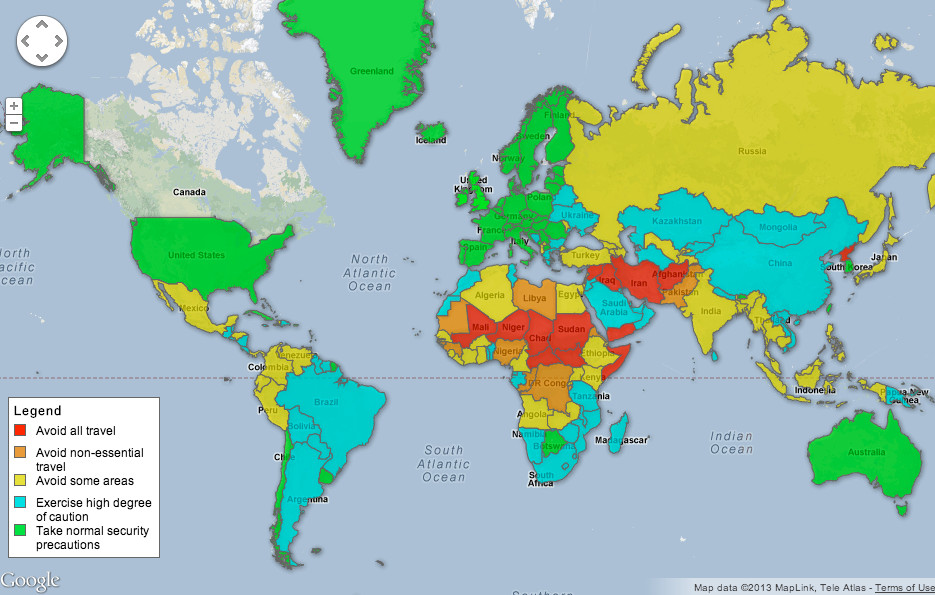

How the Global Tourist Safety Index 2026 Works
The index evaluates destinations using nine core safety factors commonly affecting tourists:
- 1. Violent crime levels
- 2. Pickpocketing and petty theft
- 3. Tourist-targeted scams
- 4. Public transportation safety
- 5. Night safety
- 6. Solo female traveler safety
- 7. Political stability & demonstrations
- 8. Cultural expectations & local laws
- 9. Past year safety incidents involving tourists
Each place gets a “tourist safety score” from 1 to 10. This score is based on public data, traveler experiences, and local insights.
Top 20 Safest Cities to Visit in 2026
These cities consistently rank as some of the world’s safest for visitors:
- Dubai, UAE
- Singapore
- Tokyo, Japan
- Seoul, South Korea
- Vienna, Austria
- Copenhagen, Denmark
- Zurich, Switzerland
- Helsinki, Finland
- Munich, Germany
- Reykjavik, Iceland
- Lisbon, Portugal
- Dubai Marina (district)
- Osaka, Japan
- Abu Dhabi, UAE
- Stockholm, Sweden
- Taipei, Taiwan
- Auckland, New Zealand
- Sydney, Australia
- Doha, Qatar
- Hong Kong
Each of these destinations has stable infrastructure, low violent crime, and strong safety standards for visitors.

Top 20 Cities Where Tourists Should Be More Cautious
Not necessarily dangerous — but requires more situational awareness.
- Rio de Janeiro, Brazil
- São Paulo, Brazil
- Bogotá, Colombia
- Lima, Peru
- Cairo, Egypt
- Marrakech, Morocco
- Nairobi, Kenya
- Johannesburg, South Africa
- Mexico City, Mexico
- Manila, Philippines
- Jakarta, Indonesia
- Bangkok (night areas)
- Phuket (Patong Beach)
- Ho Chi Minh City
- New Delhi, India
- Tijuana, Mexico
- Bali (tourist scams)
- Buenos Aires (petty theft)
- Casablanca, Morocco
- Hanoi Old Quarter
These cities are gratifying but require extra awareness of scams, petty crime, or cultural sensitivity.
Global City-by-City Safety Overview (200+ Destinations)
This is the world’s most comprehensive quick-view safety list. Each city below includes a 1–2-sentence summary and links to the full safety guides once available.
Europe
- Paris, France: Safe, but pickpockets are common in tourist hotspots.
- Rome, Italy: Extremely safe; petty theft around major attractions.
- Barcelona, Spain: High petty theft, especially on Las Ramblas.
- Amsterdam, Netherlands: Very safe; watch for bicycles and pickpockets.
- Berlin, Germany: Safe; nightlife areas require awareness.
- Athens, Greece: Safe; avoid certain squares late at night.
- London, UK: Safe; pickpockets & scams around central zones.
- Prague, Czechia: Safe; tourist scams exist near the Old Town.
- Budapest, Hungary: Mostly safe; nightlife scams exist.
- Vienna, Austria: One of Europe’s safest cities.
North America
- New York City, USA: Safe; subway is fine with standard precautions.
- Miami, USA: Safe in tourist zones; need awareness of nightlife.
- Los Angeles, USA: Safe for tourists; avoid Skid Row.
- Mexico City, Mexico: Vibrant but requires strong situational awareness.
- Toronto, Canada: Very safe and tourist-friendly.
South America
- Buenos Aires, Argentina: Safe, but pickpockets are active in busy areas.
- Rio de Janeiro, Brazil: High-risk zones; stay in Copacabana/Ipanema.
- Bogotá, Colombia: Safe with precautions; use trusted taxis.
Middle East
- Dubai, UAE: One of the safest cities in the world.
- Doha, Qatar: Very safe with strict laws.
- Riyadh, Saudi Arabia: Safe but culturally strict.
Asia
- Tokyo, Japan: Possibly the world’s safest major city.
- Seoul, Korea: Safe at all hours.
- Bangkok, Thailand: Safe, but tourist scams are common.
- Bali, Indonesia: Tourist scams have become more common recently.
Africa
- Cairo, Egypt: Safe with local guidance; scams around pyramids.
- Cape Town, South Africa: Amazing but requires caution.
- Marrakech, Morocco: Safe for tourists; aggressive sellers.
Oceania
- Sydney, Australia: Very safe.
- Melbourne, Australia: Extremely safe.
- Auckland, NZ: Safe and relaxed.
Common Risks Travelers Face Worldwide
Most destinations share a set of common risks:
- Pickpockets in crowded tourist zones
- Taxis refusing meters
- Fake tour guides
- Credit card skimming
- Nightlife scams
- Street distractions
Regional Safety Overview (2026)
Europe
Generally safe, but big cities have pickpockets.
Asia
Extremely safe overall, especially in Japan, Korea, and Singapore.
Middle East
Dubai, Abu Dhabi, and Doha are among the world’s top safety leaders.
North America
Tourist zones are safe; avoid specific neighborhoods.
Africa
Morocco, Egypt,
South America
Cities are improving, but precautions are required.
Oceania
Australia & New Zealand are incredibly safe.
Travel Safety Tips for 2026
- Use cross-body bags
- Stay in well-lit areas at night
- Use official taxis or Uber
- Keep phones out of your back pocket
- Avoid isolated neighborhoods at night
Female Traveler Safety Index 2026
One of the most critical questions we see every year is: “Is it safe for women to travel here alone?” The answer depends on where you are going. In general, solo female travelers are safer now than ever. This is due to better information, more digital tools, and stronger travel communities.
In the Global Tourist Safety Index 2026, destinations are rated on crime rates. They also consider how safe and respected solo female travelers feel in each location. Some cities stand out as especially friendly and low-stress for women traveling alone:
- Tokyo, Seoul, and Singapore – extremely low street harassment, clean public transport, and very safe at night.
- Lisbon, Vienna, Copenhagen, and Amsterdam – progressive, walkable, with strong public transport networks and low violent crime.
- Dubai, Abu Dhabi, and Doha are highly regulated, with strict laws that strongly discourage harassment and street crime.
Solo female travelers should be cautious in certain places. These include cities with active nightlife. They should also be aware of areas with less regulated transportation. Additionally, cultural norms that draw attention to foreigners can be a concern. That doesn’t mean they are “off limits.” It just means that planning, dressing modestly in some areas, and choosing accommodations carefully are more critical.
No matter where you go, some simple strategies can help a lot. Choose a centrally located place to stay with good reviews. Avoid walking alone in dark areas at night. Be careful with alcohol when you are by yourself. Always trust your instincts. If an area, bar, or person makes you feel uncomfortable, leave quickly and without hesitation.
Night Safety Index
Many cities feel completely different during the day and at night. For tourists, nightlife areas can be either the highlight of a trip or the place where most problems occur. The Night Safety Index in this guide shows how safe it is to walk around at night. It looks at how well-lit and busy central neighborhoods are. It also checks how often alcohol-related incidents and theft happen in nightlife areas.
Generally speaking, cities like Dubai, Singapore, Vienna, Tokyo, and Reykjavik are among the safest in the world after sunset. You can walk around in central areas long after midnight and still feel comfortable. Some places need extra caution at night. This is especially true near club streets, red-light districts, and transport hubs.
Across all regions, the same patterns appear over and over:
- Train and metro stations become more chaotic after bars close.
- Tourist party districts attract pickpockets and opportunistic thieves.
- Back streets just behind the main squares are riskier than the main pedestrian zones.
If you want to enjoy the nightlife in any city safely, plan. Know in advance how you will return to your place. Use a taxi app, check the metro schedule, or plan a short, well-lit walk. Keep your phone charged. Bring only what you need: one bank card, some cash, and a copy of your ID instead of your full passport if you can.
Scams & Tourist Traps Index
Not all places are dangerous, but many popular cities have some common tourist scams that happen every day. These might not be violent or physically risky, but they can ruin your mood, waste your time, and cost you money.
In the Global Tourist Safety Index 2025, we look at how common tourist scams are in each city. We also assess how aggressive these scams are and whether local authorities are working to stop them. Some patterns are almost universal:
- Fake petitions and “charity” clipboards in busy squares.
- Friendship bracelets or “gifts” that suddenly require payment.
- Taxi drivers refuse to use meters at airports and stations.
- “Helpful” strangers steering you into specific shops or restaurants for commission.
- Bar and nightclub scams that hide prices and inflate the final bill.
The good news is that most scams become harmless the moment you recognize them. If someone insists on giving you something “for free”, smile and walk away. If a taxi refuses to use the meter, get out and choose another, or use an official app. If a random person tries to push you into a shop, politely decline and continue walking.
Remember: in almost every city, the safest places to spend your money are well-reviewed hotels, official ticket offices, reputable restaurants, and licensed tour operators. A few quick checks on Google Maps or review sites before you commit can save you from the most common tourist traps.
How to Use This Safety Index When Planning Your Trip
The Global Tourist Safety Index aims to help you travel smarter, not to scare you from certain places. Every city in the world has safe and unsafe areas. There are good and bad experiences, too. Some businesses are responsible, while others take advantage. The key is to understand which risks are most common in each place and adjust your behavior accordingly.
When planning your next trip, use this guide in three simple steps:
- Check the overall safety impression for your chosen city or country.
- Read the full “Is X Safe to Visit?” guide for detailed local advice.
- Bookmark a few practical tips for transport, neighborhoods, and nightlife before you arrive.
With the correct information, many places that seem “scary” in the news are actually easy to handle. Thoughtful preparation, realistic expectations, and a calm, aware mindset will take you further than fear ever will.
FAQ — Global Travel Safety
What is the safest city in the world in 2026?
Dubai, Singapore, Tokyo, and Vienna consistently rank at the top.
Which cities have the most pickpockets?
Barcelona, Paris, Rome, and Bangkok are tourist areas.
Is Europe safe for tourists?
Yes — very safe, with minor petty theft in busy areas.
Is the Middle East safe to visit?
Dubai, Abu Dhabi, Qatar, and Oman are among the safest destinations worldwide.
Which destinations require extra caution?
South America, parts of Africa, and nightlife districts in major Asian cities.
For complete safety guides and updated tips, please explore our full list of city-specific articles below.
Europe
London, Paris, Barcelona, Athens, Rome, Amsterdam, Istanbul, Albania, Georgia,
Belgrade, Naples, Budapest, Bucharest, Prague, Warsaw, Tbilisi, Yerevan, Venice, Berlin, Dublin, Florence, Munich, Madrid, Lisbon, Sicily, Riga, Catania, Vienna, Sofia, Tirana, Palermo, Krakow, Edinburgh, Milan, Santorini, Antalya, Mykonos, Capri, Positano, Amalfi Coast, Crete, Ibiza, Zurich, Dubrovnik, Seville, Valencia, Brussels, Porto, Malta, Kotor, Oslo, Cyprus, Turkey, Romania, Bulgaria, Greece, Spain, Italy, France, Croatia, Serbia, Germany, Portugal, Austria, Poland, Latvia, Ireland, Scotland, Norway, Finland, Sweeden, Estonia, Ukraine, Russia, Lithuania, Belgium, Netherlands, Hungary, Lyon, Granada, Valletta, Helsinki, Copenhagen, Crete, Stockholm, Rhodes, Corfu, Bologna, Hamburg, Bodrum, Reykjavik, Salzburg, Marseille, Madeira, Mallorca, Kyiv, Minsk, Sarajevo,
Asia
Japan, Korea, Singapore, Manila, Jakarta, New Delhi, Taipei,
Middle East
Dubai, Abu Dhabi, Doha,
North America
New York, Canada, Mexico City,
Africa
Morocco, Egypt, Cape Town, Cairo, Lagos, Nairobi, Johannesburg, Casablanca, Marrakech, Sharm El Sheikh,
South America
Brazil, Argentina, Medellin, Rio de Janeiro, Buenos Aires, Sao Paulo, Bogota, Lima,
Oceania
Australia, New Zealand,