Planning a vacation in Italy often conjures images of ancient ruins and city masterpieces, but what about its legendary coastline? It can feel overwhelming trying to find that perfect stretch of sand among the country’s 4,700 miles of shore, and even more confusing when you arrive to find rows of private chairs. Are the best beaches in Italy on an island? Is the water really as blue as it looks in photos?
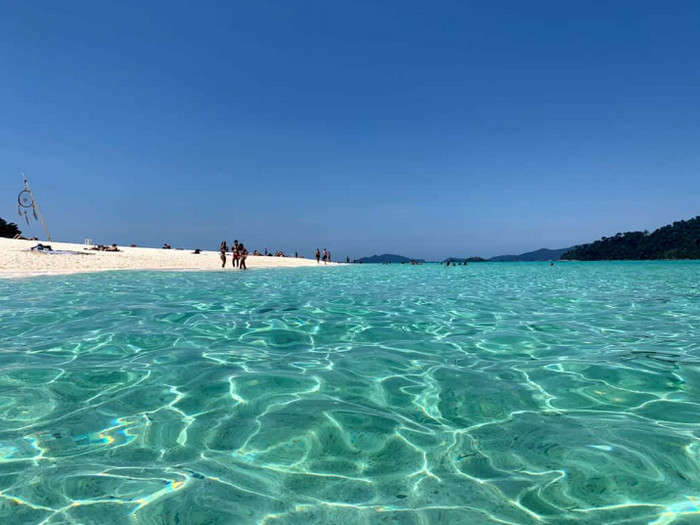
Top 25 Best Beaches in Italy to Explore
From the dramatic, cliff-hugging coves of the north to the vast, sun-drenched sands of the south, not all Italian beaches are created equal.
The ideal spot for a family with small children is rarely the same one sought by adventurers or a couple on a romantic escape. The key isn’t just finding a beautiful beach, but finding the right one for you. This guide sifts through 100s of destinations to bring you 25 of the most stunning spots, along with the essential tips to navigate each one and find your perfect piece of the Mediterranean.
Public Sand vs. Private Paradise: How to Master the Italian Beach Club (Lido) System
When you arrive at an Italian shoreline, you’ll quickly notice it’s often split into two distinct zones. The first is the spiaggia libera—the free public beach where you can lay your towel wherever you find a spot.
Next to it, you’ll see the perfectly organized rows of a lido, a private beach club. On popular coastlines like the Amalfi Coast, these paid lidos often occupy the best stretches of sand, so knowing how the system works is key.
While the free beach is great for a quick dip, paying for a lido spot buys you a full day of convenience and comfort. In the peak months of July and August, it’s essential to book these in advance. Your daily fee typically includes:
- A reserved umbrella and two loungers (lettini)
- Access to facilities like restrooms, changing cabins, and showers
- An on-site bar or restaurant, often with service to your chair
Sardinia: Finding the “Caribbean of the Mediterranean”
If you’ve ever seen a photo of an Italian beach with water so impossibly turquoise it looks Photoshopped, chances are it was taken in Sardinia (Sardegna). This large, rugged island is a world away from the organized lidos of the Riviera. Here, nature is the main attraction, and the coastline is a spectacular mix of dramatic coves, sprawling dunes, and granite sculptures carved by the wind.
The secret to Sardinia’s famously clear water lies in its geology. The island’s ancient granite and limestone shores act like a natural filter, and with few large, muddy rivers flowing into the sea, the visibility is often breathtaking. You can frequently see the seabed from dozens of feet above, making it a paradise for snorkelers.
Many of Sardinia’s most stunning jewels, however, demand a bit of effort.
Along the island’s eastern Gulf of Orosei, you’ll find legendary coves like Cala Goloritzé, a UNESCO World Heritage site famous for its limestone arch and accessible only by a steep hike or by boat. Nearby Cala Luna is another stunner, known for its large caves that offer natural shade from the afternoon sun. Booking a boat tour to explore these coves is a classic Sardinian experience you won’t forget.
For those traveling with family or seeking easier access, the island doesn’t disappoint. In the northwest, La Pelosa near Stintino is the stuff of dreams, with fine white sand and shallow, calm waters that stretch out for what feels like miles.
Down south, the beaches around Chia offer a different vibe, with rolling, juniper-covered sand dunes that lead to long stretches of golden sand. From the protected, pink-hued sands of Spiaggia Rosa (which you can only admire from a boat) to wind-swept shores perfect for kitesurfing, Sardinia’s appeal is its wild, elemental beauty.

Sicily: History, Food, and Volcanic Sands Meet the Sea
While Sardinia’s draw is its raw coastline, Sicily offers a completely different island experience, where ancient history and incredible food are as much a part of the beach scene as the sand and surf. A day at the sea is often bookended by a visit to a Greek temple or a feast at a local trattoria. The island’s beaches are just as stunning as Sardinia’s, but they come with a uniquely Sicilian flavor.
Perhaps no other place captures this unique spirit as well as Scala dei Turchi (“Stair of the Turks”) on the southern coast. This isn’t a traditional beach, but a brilliant white marl cliff, smoothed by wind and water into a giant, natural staircase that flows into the deep blue sea. Sunbathers spread their towels directly on the warm, white rock, creating one of Italy’s most surreal coastal landscapes.
For a more classic stretch of sand, journey to Sicily’s outer islands. On Lampedusa, you’ll find Spiaggia dei Conigli (“Rabbit Beach”). Often voted one of the most beautiful beaches in the world, its impossibly clear, shallow water and white sand make it feel like a swimming pool. It’s also a protected sea turtle nesting site, so visitor numbers are capped; be sure to book your spot online in advance.
Back on the main island, long, golden-sand beaches offer easier access and a classic resort feel. San Vito Lo Capo, in the northwest, is famous for its crescent of pale sand and calm, Caribbean-like waters set against a dramatic mountain backdrop.
Further east, the beach at Cefalù offers the unforgettable experience of swimming with a medieval town and a towering Norman cathedral as your view. Showcasing its dramatic origins, a trip to the Aeolian Islands is a must for adventurers. On Stromboli, you can lounge on beaches of striking black sand.

Amalfi Coast & Campania: Glamour and Dramatic Cliffside Coves
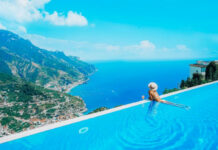
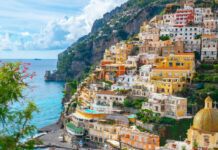
Leaving the sprawling islands behind, we arrive at the Amalfi Coast—a vertical landscape of breathtaking drama, where pastel-colored towns spill down cliffsides into coves of jewel-toned water. The beaches here are intimate, glamorous, and often pebbly, serving as sun-drenched platforms for admiring the stunning scenery.
The most iconic of these is Positano’s Spiaggia Grande, a world-famous arc of dark pebbles lined with signature orange-and-green striped umbrellas.
It’s a place to see and be seen, where you can sip an Aperol Spritz with your feet in the water. For a truly unique sight, seek out the Fiordo di Furore, a tiny beach tucked deep within a fjord-like gorge, spanned by a dramatic arched bridge. The nearby island of Capri continues the theme with its famous Faraglioni rock formations and exclusive beach clubs set in rocky inlets, many of which are accessible only by boat.
Getting to these stunning spots is an adventure in itself, and a car is often more of a hassle than a help. The three best ways to navigate the coast are:
- By Ferry: The most scenic and relaxing option, offering postcard-perfect views from the water while completely avoiding the infamous coastal traffic.
- By SITA Bus: The most budget-friendly choice, connecting all the main towns. Just be prepared for winding roads and crowded buses in high season.
- By Foot: The only way to reach some hidden coves. In towns like Positano, be ready for stairs—lots of them—which often lead down to the most rewarding and less-crowded beaches.
To escape the biggest crowds, consider visiting in May or September when the weather is still beautiful. Another fantastic option is to rent a small private boat, or gozzo, for the day. This allows you to drop anchor in secluded coves that are inaccessible from land, creating your own private piece of paradise.
Puglia: Discovering the Golden Sands of Italy’s “Heel”
If you’re dreaming of endless golden sand and crystal-clear water without the cliffside climbs, head south to Puglia, the sun-drenched region forming the heel of Italy’s boot. This area offers a more rustic and laid-back alternative to the glamour of other coastlines, with two distinct coastal experiences.
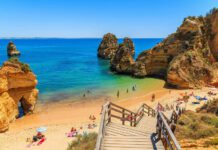
To the east, the Adriatic coast is rugged and dramatic, defined by brilliant white cliffs and sea caves. Here, you’ll find breathtaking spots like Torre Sant’Andrea, where limestone sea stacks rise like ancient sculptures from impossibly clear, turquoise water. It’s a paradise for swimmers who love exploring rocky coves.
To the west, the Ionian coast is gentler, surrendering to the sea with miles of soft, golden sand. The beach at Pescoluse is famously nicknamed the “Maldives of Salento” for good reason. Its fine white sand slopes gently into shallow, transparent water, making it perfect for families with small children. Nearby, Punta Prosciutto offers a similarly stunning but wilder experience, with sprawling dunes backing a wide expanse of white sand and dazzlingly clear sea. North of Otranto, the Baia dei Turchi provides a perfect compromise: a beautiful sandy beach tucked into a protected bay, accessible by a short walk through a fragrant pine forest.

Beyond the Big Islands: Uncovering Italy’s Coastal Treasures
While the islands and Puglia’s heel often steal the spotlight, some of Italy’s most memorable beaches are hidden in plain sight along the mainland’s diverse shores. These regions offer unique personalities, from the chic glamour of the north to the wild, untouched beauty of the south. Stretching along the northwest coast is Liguria, the classic “Italian Riviera.”
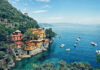
Here, mountains plunge directly into the sea, creating dramatic, secluded coves that shelter colorful fishing villages. In places like San Fruttuoso, a tiny pebbly beach with a medieval abbey is your reward for arriving by boat or a scenic hike.
Many travelers picture Tuscany as a land of vineyards, but its coastline is a well-kept secret among Italians. The Monte Argentario peninsula offers rocky coves and exceptionally clear water, making it one of the best snorkeling spots in the region. Directly opposite on the Adriatic, the Marche region’s Conero Riviera delivers a different kind of drama with its stark white cliffs towering.
For a taste of raw, southern beauty, venture to the very “toe” of Italy’s boot.
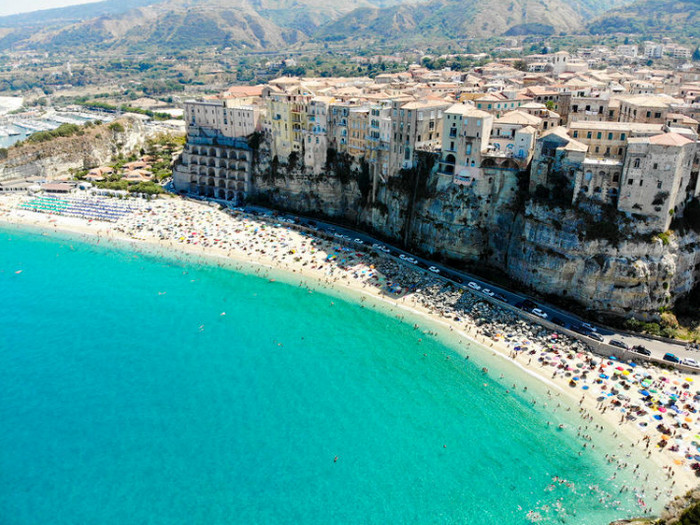
Calabria is a region of breathtaking landscapes, where ancient towns are perched precariously atop cliffs that overlook pristine sands.
The beach at Tropea is the perfect example, with its golden sand sitting below a stunning cliff-top village and facing the legendary Stromboli volcano on the horizon.
Even a city break in Rome can include a perfect beach day.
The beautiful whitewashed town of Sperlonga, with its long, sandy shores, is one of the best beaches near Rome, accessible by train and requiring just a one-hour journey followed by a short bus ride.
Best Beaches in Italy: How to Plan the Perfect Trip
With a map of Italy’s diverse coastlines, from the rugged coves of the Amalfi Coast to the sprawling sands of Sardinia, you can choose the right spot for your ideal trip. To turn that vision into reality, focus on a few key planning strategies.
First, consider your timing. The best months for a beach holiday are often June and September. You’ll find beautiful weather, fewer crowds, and better value than during the peak season in July and August. Second, plan your beach days strategically.
Balance a day of convenience at a paid lido—booking ahead is essential in summer—with a relaxing afternoon on a free spiaggia libera. Finally, choose your transport wisely. On the Amalfi Coast, ferries offer stunning views without the traffic, while in Sardinia, renting a car is key to discovering hidden coves.
Equipped with this knowledge, you are ready to experience Italy’s coastline. Go find your patch of paradise—the one that feels like it was waiting just for you.