Sofia is the capital of Bulgaria. It has a mix of ancient history, Orthodox cathedrals, and Roman ruins. With growing tourism, affordable prices, developing nightlife, and significant cultural attractions, millions of visitors are beginning to explore Bulgaria’s capital. There are busy metro stations and nightlife spots. Some areas can be rough. Because of this, many travelers ask: Is Sofia safe to visit?
Yes — Sofia is generally safe for tourists. Violent crime is rare, locals are friendly, and visitors typically feel comfortable walking around the city center. The primary concerns include pickpocketing, bag snatching, taxi scams, overcharging at nightlife venues, and petty theft in crowded areas. With basic precautions, Sofia is safe for solo travelers, families, and first-time visitors.
Is Sofia Safe for to Visit for Tourists?
Yes — Sofia is safe for tourists. The historic center is well-policed, popular areas are lively, and violent crime against tourists is rare. Most issues relate to petty theft or minor scams rather than danger.
The main risks involve pickpocketing in crowded streets, taxi overcharging, metro theft, nightlife scams, and occasional street fraud. These typically occur in busy tourist areas and transportation hubs.
Is Sofia Safe RIGHT NOW?
Yes — Sofia is safe right now. The city center, Vitosha Boulevard, the Cathedral district, Serdika area, Studentski Grad, and NDK area are safe for visitors.
Latest safety improvements include:
- More police presence along Vitosha Boulevard and the Serdika metro station
- New CCTV cameras in central underpasses
- Stricter regulations on taxis and ride services
- Improved lighting around major tourist zones
- Increased security presence in the Studentski Grad nightlife area
Is Sofia Safe at Night?
Yes, Sofia is generally safe at night. This is especially true in well-lit central areas. Some of these areas include Vitosha Boulevard, NDK, the Cathedral area, and Serdika. Most streets remain active and comfortable to walk on. Sofia is one of the safest cities at night in the region. It has a strong local presence outdoors.
- Vitosha Boulevard: lively, safe, and full of cafés
- NDK (National Palace of Culture): safe, open, and well-lit
- Serdika: busy but watch for pickpockets
- Studentski Grad: nightlife-heavy; safe but chaotic late at night
- Train station surroundings: safe but less comfortable after dark
Is Sofia Safe for Solo Female Travelers?
Yes — Sofia is generally safe for solo female travelers. Women walk freely, use public transport, dine out, and explore without significant issues. Sofia is considered safer for women than many Western and Southern European capitals.
- Pick central hotels in Vitosha, NDK, or the Cathedral area
- Avoid isolated alleys late at night
- Use ride apps after midnight instead of walking long distances
- Stay alert around nightlife streets in Studentski Grad
Safest Areas to Stay in Sofia
- Vitosha Boulevard — central, walkable, safe, ideal for first-time visitors.
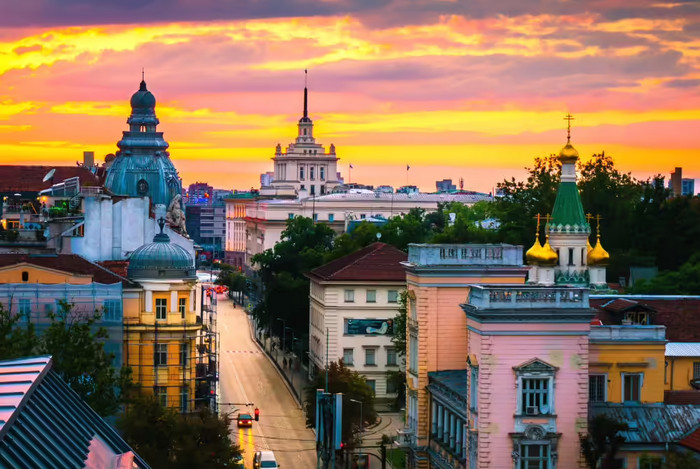
- Cathedral Area (Alexander Nevsky) — historic, elegant, very safe.
- NDK District — modern, open, safe environment.
- Lozenets — upscale, quiet, extremely safe.
- Oborishte — stylish, central, safe day and night.
- Sofia Center — lively, safe, full of hotels and restaurants.
Areas to Avoid in Sofia (Especially at Night)
- Certain areas around the Central Train Station — safe but uncomfortable after dark
- Underpasses in older parts of the center — petty theft risk
- Parts of Studentski Grad late at night — chaotic nightlife
- Isolated park areas after dark — unnecessary risk
- Unlit side streets in peripheral neighborhoods — avoid late at night
Sofia has a few genuinely unsafe areas; most concerns relate to comfort rather than danger.
Sofia Crime Map (Text Overview)
The safest areas include Vitosha Boulevard, NDK, Lozenets, Oborishte, and the Cathedral district. Medium-risk areas include Serdika, Studentski Grad, and the underpasses of Sofia Center. High petty theft risk occurs around Vitosha Boulevard, the metro, Serdika station, and the train station. Violent crime against tourists is infrequent.
Is Sofia Safe for Families?
Yes — Sofia is family-friendly. Parks, museums, restaurants, open squares, and reasonable prices make it ideal for travelers with children.
- Stay in Lozenets, Cathedral area, or Vitosha Boulevard.
- Avoid metro rush hours with strollers
- Use ride apps at night for convenience
Is Sofia Safe for Digital Nomads?
Yes — Sofia is a rising digital nomad destination.
An affordable cost of living, safe districts, cafés, coworking spaces, and reliable internet create a comfortable working environment. Nomads often choose Lozenets, Oborishte, Sofia Center, and the surroundings of the Cathedral.
Sofia Safety Questions
Is Sofia safe at night?
Yes — especially in well-lit central districts like Vitosha and NDK.
Is Sofia safe for Americans?
Yes — Americans visit regularly and report low levels of concern about crime.
Is Sofia safe for solo female travelers?
Yes — basic awareness is enough for a comfortable visit.
Is Sofia safe for families?
Yes — child-friendly parks and calm areas.
Is Sofia safe for digital nomads?
Yes — excellent affordability and safe neighborhoods.
Is Sofia safe to walk around?
Yes — central Sofia is easy and pleasant to walk in.
Is Sofia safe to visit, or is Bucharest safer?
Yes — Sofia has noticeably lower petty theft.
Is Sofia safe for first-time visitors?
Yes — straightforward, relaxed, and welcoming.
Final Verdict — Is Sofia Safe to Visit?
Yes — Sofia is safe to visit. It is one of Eastern Europe’s friendliest capitals. It has low violent crime, friendly people, and affordable neighborhoods. Petty theft exists in busy tourist areas, metro stations, and nightlife streets, but serious incidents are rare. Basic precautions guarantee a safe, enjoyable trip.
You can explore Vitosha Boulevard, admire Alexander Nevsky Cathedral, or wander through Serdika’s ruins. You can also enjoy the city’s cafés and mountain views. Sofia offers a safe and memorable travel experience.
FAQs
Is Sofia safe for tourists?
Yes — low violent crime and friendly locals.
Is Sofia safe at night?
Yes — central areas remain active and well-lit.
Is Sofia safe for solo female travelers?
Yes — with basic awareness in nightlife areas.
Is Sofia safe right now?
Yes — conditions indicate stable, secure tourism activity.
Is Sofia Safe to Live?
Yes, Sofia is seen as a safe place to live in. This is especially true for expats, remote workers, students, and long-term residents.
The city has a slow pace, friendly neighborhoods, and a low cost of living. It is more affordable than Western Europe and has a growing international community. Violent crime rates are low. Most safety concerns involve petty theft or occasional disturbances in nightlife areas or transport hubs.
Many expats choose residential areas such as Lozenets, Oborishte, Ivan Vazov, and the Cathedral area. These neighborhoods have good public transport, clean streets, cafés, parks, and a balanced local lifestyle. Sofia Center is also popular thanks to its accessibility, though it can be busier and noisier.
The city’s infrastructure is getting better. There is improved lighting, updated public squares, more CCTV cameras, and more signs in different languages. Daily life feels safe, walkable, and comfortable for most residents. Like any capital city, it requires basic awareness, especially at night or in less-frequented areas.
- Lozenets and Oborishte rank among the safest areas for expats
- Public transportation is reliable and safe for daily commuting
- The cost of living is lower than in most European capitals
- Petty theft exists, but a serious crime against residents is rare
What Places to Avoid in Sofia
Sofia has a few really unsafe areas. However, some neighborhoods or streets may feel less safe, especially at night or in crowded areas. Most concerns relate not to danger but to lower lighting, isolated streets, or petty crime. Tourists and new residents should be extra careful near the Central Train Station, bus terminals, and older underpasses. Scams and pickpocketing happen more often in these areas.
Studentski Grad is lively and safe overall, but becomes chaotic after midnight due to nightlife activity. Some streets in peripheral districts may feel deserted or poorly lit, but violent crime remains rare. Awareness, staying on main roads, and using ride apps at night eliminates nearly all safety risks.
- Certain areas around Central Train Station after dark
- Older underpasses near Serdika and Sofia Center
- Nightlife-heavy streets in Studentski Grad are very late
- Peripheral neighborhoods with poor lighting
Is Sofia Safe for a Woman to Walk Alone?
Yes, Sofia is usually safe for a woman to walk alone. This is especially true in central areas like Vitosha Boulevard, the Cathedral area, NDK, Oborishte, and Lozenets. Women frequently move around the city independently, dine alone, use public transport, and walk between neighborhoods without significant risk.
The primary considerations involve avoiding quiet, poorly lit areas late at night and staying within well-trafficked streets. Street harassment is not a common problem in Sofia. When it does happen, it usually occurs at nightlife events rather than on the roads every day. Ride apps are a convenient option for late-night travel, mainly after midnight or when returning from Studentski Grad. Women usually feel safe in the city center during the day and early evening. Their main safety worry is petty theft, not personal safety.
How Safe Is Sofia to Visit for Tourists?
Sofia is a safe place for tourists. It has a warm atmosphere, easy-to-walk streets, historic monuments, and a calm pace of life. Most travelers explore the city without encountering serious issues. Pickpocketing around busy tourist zones, metro stations, or crowded boulevards remains the most common concern, not violent crime.
The city center, Vitosha Boulevard, Cathedral district, and NDK area are among the safest places for sightseeing. These zones have strong police presence, good lighting, and regular foot traffic. Tourists often comment on the city’s friendly, relaxed energy and the safety of daytime and early-evening walks.
Awareness is needed near train stations, some underpasses, and nightlife areas such as Studentski Grad after midnight. Visitors can have a comfortable and enjoyable time in Sofia. They should keep their valuables safe. It is best to avoid very isolated alleys at night. Using ride apps for late returns is also a good idea.
- Tourist districts are well-policed and walkable.
- Petty theft is the most common issue for visitors
- Nightlife areas are safe, but can feel chaotic late at night
- Violent crime against tourists is infrequent
Scams in Sofia
1. Taxi Overcharging
Some taxis target tourists with inflated prices. Use licensed companies or ride apps.
2. Metro Pickpockets
The most common issue. Thieves distract during boarding and exiting.
3. Bracelet Scam
A scammer ties a bracelet on your wrist and demands payment. Walk away immediately.
4. Fake Donation Collectors
Ignore any clipboard charity forms in underpasses or crowded squares.
5. Overpriced Bars
Some nightlife venues add unexpected fees. Check drink menus before ordering.
6. Counterfeit Goods
Street vendors may sell fake branded items. Decline politely.
Is Public Transportation Safe in Sofia?
Metro
Modern and safe. Pickpocket awareness is required in crowded trains and platforms.
Trams
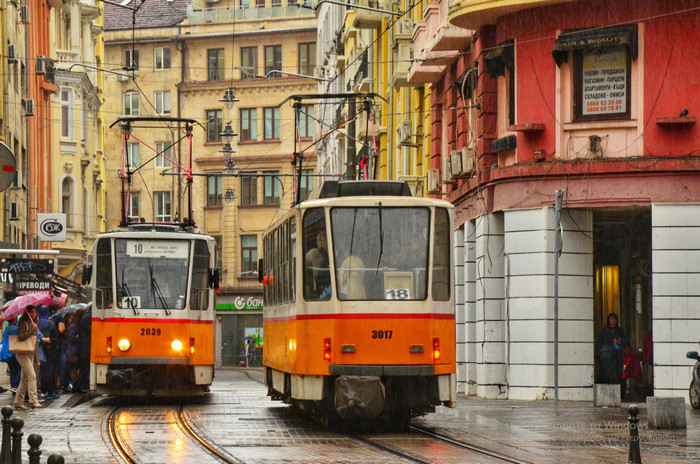
Safe and widely used. Theft risk is low but possible during peak hours.
Buses
Safe and reliable. Keep belongings in front pockets.
Taxis
Safe if you choose official companies. Some drivers overcharge tourists.
Ride Apps
Very safe and recommended, especially late at night.
Walking
Central Sofia is walkable and safe. Stay on well-lit streets after dark.
Is Sofia’s transport safe? Yes — especially metro, trams, buses, and ride apps.
Common Tourist Risks in Sofia
1. Pickpocketing (Most Common)
Pickpockets target crowded areas such as Serdika, Vitosha Boulevard, underpasses, and metro lines. Keep belongings close and zipped.
2. Bag & Phone Snatching
Thieves may target loose bags or phones left on café tables. Keep valuables secured and in sight.
3. Taxi Overcharging
Some taxis in Sofia are notorious for inflated prices. Only use official companies or ride apps.
4. Nightlife Scams
In certain clubs, inflated drink prices or misleading menus may occur. Stay in reputable venues.
5. Underpass Scams
Underpasses near the center can attract scammers selling fake goods or asking for money.
6. Metro Pickpockets
Pickpocketing can occur in crowded trains, especially during peak hours.