Italy is one of the most famous places in the world. Every year, millions of people visit. People visit for its rich history.
They enjoy the beautiful Renaissance cities. Popular attractions draw many visitors. This leads many to ask: Is Italy safe to visit?
The stunning Mediterranean coastlines attract many. Famous food is another reason to come. Amazing archaeological sites are also a draw. Lastly, the lively culture adds to the appeal. Italy is a top travel spot for people all over the world.
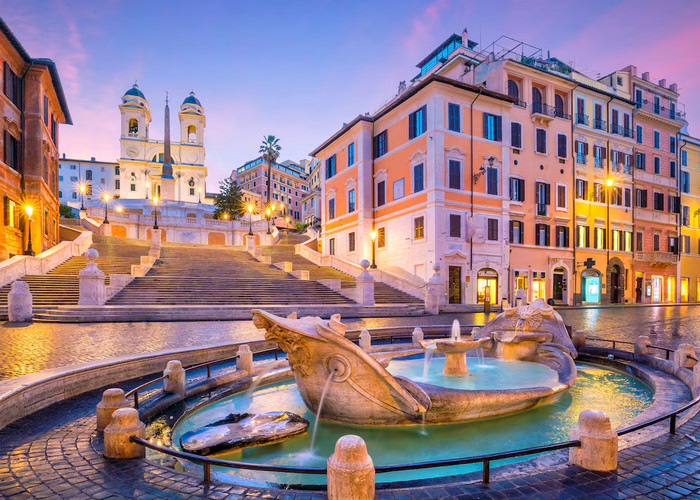
From Rome and Florence to Venice, Milan, Naples, Sicily, and the Amalfi Coast, it is a must-see destination. With more tourists, train stations are busy.
Nightlife areas and crowded squares are lively.
Yes — Italy is safe for tourists. Violent crime is rare, locals are friendly, and the country maintains one of Europe’s strongest tourism infrastructures. The main concerns involve pickpocketing, bag snatching, metro theft, taxi overcharging, rental-car break-ins, and tourist-focused scams. With standard precautions, Italy is safe for solo travelers, families, digital nomads, and first-time visitors.
Is Italy Safe to Visit for Tourists?
Yes — Italy is safe for tourists. The country offers stable tourism regions, strong police presence, and low violent crime rates compared to global averages. Most issues that travelers encounter are non-violent and easily preventable with basic awareness. The main risks are:
- Pickpockets in big cities.
- Taxi scams.
- Crowded trains.
- Theft at night in busy areas.
- Break-ins of rental cars, especially in coastal or remote places.
Is Italy Safe RIGHT NOW?
Yes — Italy is safe right now.
All major tourist spots are open. This includes places like Rome, Florence, Venice, Milan, Naples, Sicily, Turin, Bologna, Verona, Lake Como, and the Amalfi Coast. Everything is running smoothly. There are no major travel issues.
Latest safety improvements include:
- Increased surveillance in major train stations across Rome, Milan, and Naples
- More police patrols around tourist landmarks and high-traffic zones
- Safer lighting and CCTV expansion in Florence and Venice
- Stricter regulations on taxi pricing and unlicensed vehicles
- New anti-phone-snatching patrol units in Rome and Naples
Is Italy Safe at Night?
Yes — Italy is generally safe at night in most central and well-lit areas.
Cities like Florence, Venice, Verona, Bologna, Turin, and Milan’s center are safe for nighttime walks. Rome, Naples, and Palermo have busier nightlife zones where extra awareness is recommended.
- Rome Centro Storico: safe but crowded — watch for pickpockets
- Venice: extremely safe at all hours
- Florence center: well-lit and calm at night
- Milan Brera & Duomo area: very safe but busy late
- Naples’ historic alleys: lively, but stay on the main streets at night
Is Italy Safe for Solo Female Travelers?
Yes — Italy is generally safe for solo female travelers. Women frequently travel alone, use public transit, dine out, and explore major cities without issues. Street harassment is uncommon in tourist areas, and violent incidents are rare.
- Stay in central neighborhoods with good lighting
- Use ride apps late at night
- Be cautious in crowded metro stations during rush hours
- Politely ignore overly persistent strangers
Italy ranks among the safest Mediterranean destinations for solo women.
Safest Areas to Stay in Italy
- Florence Centro Storico — walkable, elegant, safe day and night.
- Venice (San Marco, Dorsoduro) — extremely safe and tourist-friendly.
- Rome Prati — safe, upscale, near Vatican City.
- Milan Brera — refined, safe, central.
- Turin Centro — calm and low in crime.
- Verona Center — family-friendly and safe.
Areas to Avoid in Italy (Especially at Night)
- Certain streets around Rome are busy and prone to scams
- Back alleys in Naples’ Quartieri Spagnoli — lively but chaotic late
- Peripheral Milan train-station areas — safe but less comfortable
- Isolated beach parking lots — rental-car theft risk
Italy has a few dangerous areas — most concerns involve petty theft or discomfort, not violent crime.
Italy Crime Map (Text Overview)
Safest regions: Central and Northern Italy, Florence, Venice, Turin, Verona, the Dolomites, and Lake Como.
Medium-risk areas: Rome center, Milan Centrale surroundings, Naples historic quarters.
Higher petty theft zones: Rome Termini, major metro stations, busy piazzas, and beaches with parked cars.
Violent crime is rare across Italy and rarely involves tourists.
Is Italy Safe for Families?
Yes — Italy is extremely family-friendly. Children are welcomed everywhere, and the country offers safe piazzas, museums, beaches, and landmarks.
- Florence, Venice, and Verona are top family-safe cities
- Use ride apps at night with children
- Keep belongings secured in crowded piazzas
Is Italy Safe for Digital Nomads?
Yes — Italy is becoming a central hub for digital nomads. Milan, Rome, Florence, and Sicily offer coworking spaces, culture, mild climate, and safe urban areas.
Popular neighborhoods include Prati (Rome), Brera (Milan), Santa Croce (Florence), and Taormina/Syracuse (Sicily).
Italy Safety Questions
Is Italy safe right now?
Yes — all major tourist zones are stable and safe.
Is Italy safe at night?
Yes — especially in central, well-lit districts.
Is Italy safe for Americans?
Yes — Italy is one of the most visited destinations for Americans.
Is Italy safe for solo female travelers?
Yes — with standard precautions in crowded areas.
Is Italy safe for families?
Yes — extremely family-friendly.
Is Italy safe to walk around?
Yes — in main streets, day and night.
Is Italy safe to visit Vs Spain?
Yes — Italy generally sees fewer aggressive scams.
Is Italy safe during peak season?
Yes, though petty theft rises in tourist hotspots.
Is Italy safe for first-time visitors?
Yes — straightforward, friendly, and easy to explore.
Final Verdict — Is Italy Safe to Visit?
Yes — Italy is safe to visit.
It is one of the world’s most fun and culturally rich places. It has low violent crime, friendly locals, and safe city centers. Petty theft occurs in crowded tourist areas, but serious incidents are rare. With basic precautions, travelers enjoy an exceptional and secure experience across Italy’s cities, beaches, lakes, and islands.
Whether you explore Rome’s ruins, Venice’s canals, Florence’s Renaissance art, Milan’s fashion streets, Naples’ energy, or Sicily’s coastlines — Italy offers a safe, vibrant, and unforgettable journey.
Is Italy Safe to visit FAQs
Is Italy safe for tourists?
Yes — very safe with low violent crime.
Is Italy safe at night?
Yes — major cities are well-lit and active.
Is Italy safe for solo female travelers?
Yes — with general awareness, especially in crowds.
Is Italy safe right now?
Yes — conditions indicate stable, secure tourism activity.
Is Italy Safe to Live?
Yes, Italy is usually safe to live in. This is especially true in central and northern areas. Here, crime rates are low, and the quality of life is high.
Expats frequently choose cities like Florence, Milan, Bologna, Verona, and Turin for their stability, safety, and excellent public services. Southern areas like Puglia, Sicily, and Calabria have a warm lifestyle and a strong sense of community. However, big cities may see more petty theft.
Life in Italy feels relaxed and focused on community.
The streets are easy to walk, and the piazzas are lively. There is strong healthcare and a warm social atmosphere. Most residents report feeling safe during the day and at night, particularly in residential and historic districts.
- Northern Italy has some of the lowest crime rates in Europe
- Florence, Verona, and Bologna are popular safe choices for expats
- Smaller coastal towns offer excellent safety and lifestyle
- Petty theft exists mainly in large metropolitan hubs
What Areas to Avoid in Italy
Italy has very few unsafe areas. However, some districts in big cities may feel less safe, especially at night.
These areas are not very dangerous, but it is wise to be careful. Stick to main roads and avoid walking alone at night. Tourist destinations like Venice, Florence, and Verona have extremely low crime levels and are safe at almost all hours.
- Back streets around major train stations after dark
- Narrow alleys in the older districts of large cities
- Poorly lit suburban streets at night
- Remote parking areas near beaches or viewpoints
Is Italy Safe for a Woman to Walk Alone?
Yes — Italy is generally safe for a woman to walk alone, especially in central, well-lit, and populated districts.
Cities like Florence, Venice, Turin, Bologna, and Verona feel comfortable even late into the evening. Street harassment is uncommon in tourist areas, and violent attacks on visitors are rare. It is best to avoid empty alleys at night, especially in Rome and Naples. Use ride-sharing apps when returning from nightlife areas.
How Safe Is Italy for Tourists?
Italy is considered very safe for tourists, with millions of visitors exploring the country every year without problems. The most common problem travelers face is petty theft in crowded places.
This includes train stations, busy squares, metro stations, and famous landmarks. Violent crime targeting tourists is infrequent. Visitors can enjoy Italy’s historic cities, museums, beaches, and countryside. To stay safe, they should be aware of their surroundings. They should use secure bags and choose well-lit main roads at night.
Tourists often say Italy is one of the safest countries in Western Europe. This is due to its friendly locals, strong police presence, safe public transport, and welcoming atmosphere in cities and small towns.
Italy Safety by Region
Rome
Safe but crowded. Pickpockets operate in metro stations and central piazzas.
Florence
Very safe, walkable, and well-policed. Petty theft is low.
Venice
Extremely safe. Main issue: pickpockets on busy bridges and tourist routes.
Milan
Safe in central districts. Watch belongings in and around Centrale FS.
Naples
Vibrant and safe for tourists in the main streets. Stay alert in busy markets.
Sicily (Palermo, Catania, Taormina)
Safe overall; petty theft is the most common concern in large cities.
Amalfi Coast
Very safe and tourist-oriented. Occasional overpricing scams.
Puglia (Bari, Lecce, Polignano)
Safe, coastal, relaxed atmosphere with low crime.
Dolomites
Extremely safe mountain region with minimal risks.
Is Public Transportation Safe in Italy?
Trains
Safe and efficient. Watch belongings in large stations.
Metro
Safe in most cities, though crowded. Keep items secured.
Buses
Safe but busy in Rome and Naples. Petty theft is possible.
Trams
Safe in Milan, Turin, and Florence. Minimal risk.
Taxis
Safe, but confirm the meter or use licensed taxis.
Ride Apps
Highly recommended — safest option at night.
Ferries & Hydrofoils
Safe and well-regulated between islands.
Walking
Italy is safe for walking in central areas day and night. Avoid isolated alleys late.
Is Italian transport safe? Yes — with minor awareness in busy stations.
Common Tourist Risks in Italy
1. Pickpocketing (Most Common)
Occurs in crowded metro stations, trains, buses, piazzas, and tourist attractions. Typical hotspots include Rome Termini, Milan Centrale, Florence SMN, Venice bridges, and Naples’ waterfront.
2. Bag & Phone Snatching
Thieves may target phones on café tables or open bags. Keep bags zipped and phones secured.
3. Taxi Overpricing
Some drivers inflate fares or refuse to use the meter. Always confirm the route or choose official apps.
4. Metro & Train Theft
Busy stations attract skilled pickpockets. Hold your belongings close.
5. Rental-Car Break-Ins
Common near beaches, viewpoints, and isolated parking areas. Never leave valuables inside.
6. Street Scams
Bracelet scams, fake charity forms, fake petitions, and “tourist helper” scams appear in crowded areas.
Scams in Italy
1. Bracelet Scam
Scammers tie a bracelet to your wrist and demand money. Walk away.
2. Pickpockets in Metro Stations
Rome Termini, Milan Centrale, and crowded trams are hotspots.
3. Taxi Overcharging
Confirm the meter or use official taxis.
4. Fake Petition Scams
Ignore clipboard requests in overcrowded areas.
5. Restaurant Overcharging
Check bills in highly touristic zones.
6. Rental-Car Break-Ins
Never leave items inside the vehicle, even for a few minutes.