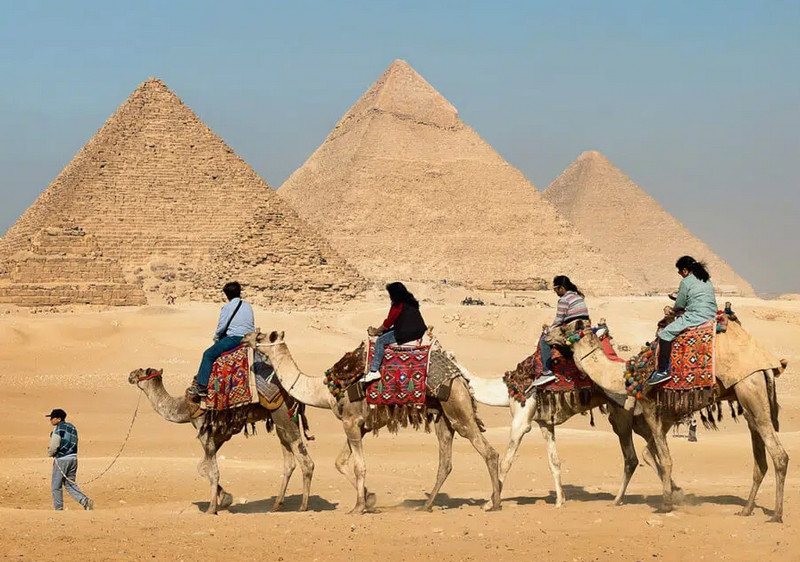
You’ve likely pictured yourself standing before the Great Sphinx at sunset, yet a nagging question from concerned relatives or news headlines keeps interrupting the daydream: Is Egypt safe to visit? While the allure of the Pharaohs is timeless, navigating the modern country requires distinguishing between sensationalized media reports and the on-the-ground reality.
How Safe is Egypt? Top Tips for Travelers
The short answer is a definitive “yes, but…” that relies on preparation rather than luck. Statistics and government advisories indicate that current political stability for tourists is strong within the main travel corridor along the Nile.
Meaning the primary challenge for visitors is rarely physical danger, but rather managing interactions with aggressive vendors. Moving beyond vague warnings reveals exactly where you can walk, how to handle cultural nuances, and why the biggest risk to your trip is likely a stomach bug rather than a security threat.
Is Egypt Safe for Tourists? Key Things to Know
Egypt is generally safe for tourists in the main travel hubs like Cairo, Giza, Luxor, Aswan, and the Red Sea resorts, especially when you stick to well-known attractions and reputable tour operators. Most visits are trouble-free, but petty scams and aggressive selling can happen in busy areas—expect persistent vendors, inflated prices, and occasional attempts to overcharge for rides, photos, or “help” you didn’t ask for.
To stay safe in Egypt, use licensed guides or trusted tour companies, keep valuables out of sight, and rely on hotel-arranged drivers or reputable ride-hailing apps instead of random street taxis. Be cautious at night in unfamiliar neighborhoods, follow local news and any official travel advisories, and always carry a copy of your passport and emergency contact details in case you need assistance.
How to Stay Safe While Traveling in Egypt:
Plan your logistics ahead of time and keep your day-to-day routine simple. Book reputable hotels, tours, and drivers, and use ride-hailing apps or hotel transport rather than accepting random offers on the street. Stay aware in crowded places, keep your phone and wallet secured, and avoid flashing cash—especially at major sites, markets, and transit hubs where pickpocketing and scams are more likely.
Respect local norms and use common-sense precautions to reduce unwanted attention. Dress modestly in cities and religious areas, be cautious with photos (ask before photographing people or security sites), and avoid political gatherings or heated conversations. Check current travel advisories, share your itinerary with someone back home, and save key numbers so you can get help quickly if needed.
Staying Healthy: Your Guide to Food, Water, and Sun Safety
When it comes to health precautions to explore Egypt, the single most important rule is simple: drink only sealed, bottled water. Your system likely isn’t accustomed to the local tap water, and this easy step is the best way to prevent an upset stomach. Thankfully, bottled water is inexpensive and available everywhere, from your hotel to small street-side kiosks. Use it for brushing your teeth, too, just to be extra cautious.
Worries about food safety are common, but you don’t have to miss out on delicious Egyptian cuisine. To start, stick to dishes that are thoroughly cooked and served hot, as this is your best guarantee of safety. Some wonderful and reliable options to look for include:
- Rich, slow-cooked tagines (stews)
- Grilled meats like flavorful kofta
- Ful medames, a hearty fava bean dish often eaten for breakfast
- Freshly baked Egyptian bread (aish baladi)
Beyond food and water, the powerful Egyptian sun requires a smart plan. Instead of pushing through the blistering midday heat, try structuring your day as the locals do. Plan your temple and pyramid visits for the early morning when the air is cooler. Spend the hottest part of the afternoon—roughly from 1 to 4 p.m.—relaxing indoors or by a pool. This daily rhythm not only keeps you comfortable but also influences your clothing choices.
What to Wear in Egypt to Stay Comfortable
Choosing the right clothes in Egypt is not just about rules. It is also a smart way to stay comfortable and safe. Dressing modestly helps you fit in.
It shows respect for the local culture. It also reduces unwanted attention. Think of your clothes as a tool. They help you navigate cities and historic sites easily. This way, you can enjoy the beauty around you without feeling out of place.
For women visiting temples, markets, or cities such as Cairo or Luxor, the best approach is to cover your shoulders and knees. This doesn’t mean you need to be hot or uncomfortable. Loose linen trousers, long skirts, and breathable cotton t-shirts are perfect.
A lightweight scarf is a very useful accessory. You can use it for sun protection. It can also cover your head when you enter a mosque.

The guidelines for men are simpler but follow the same principle of respect. While shorts are common at tourist sites, knee-length styles like chino shorts or lightweight pants are better choices. They help you fit in more than very short athletic wear.
For visiting mosques, long pants are required. In both cities and temples, a simple t-shirt or polo shirt is perfectly acceptable. This way of dressing in Egypt for safety is not about strict rules. It is more about making smart travel choices. These choices can improve your experience, especially for solo female travelers in Egypt.
Egypt for Solo Travelers? A Practical Guide
For many women considering a solo trip to Egypt, safety is a major concern. A common question travelers ask is: Is Egypt Safe to visit? The honest answer is that you will probably get more attention than you are used to at home.
This includes persistent vendors and comments from people. While this can be frustrating, it is almost always an annoyance rather than a genuine threat. Looking at it this way is the first step. The next step is to use some proven strategies. These will help you take control of your space and enjoy your trip with confidence.
Your best tools for navigating these moments are proactive and non-confrontational. Many experienced travelers rely on a few simple techniques to minimize unwanted interactions:
- The ‘Confidence’ Method: Walk with purpose, hold your head high, and don’t stare at men you don’t want to talk to. A confident posture is a powerful, universal signal to be left alone.
- The ‘Bubble’ Method: Wearing sunglasses and headphones (even with no music playing) creates a personal bubble. This makes you look busy and less open to talk. You can ignore catcalls or sales pitches without being rude.
- The ‘Guide’ Method: If you want a completely hassle-free day exploring, consider hiring a reputable female guide. This gives you great local insight. It also provides a cultural buffer. This ensures your experience is smooth and focused on the wonders around you.
Beyond navigating crowds, your choice of transportation is crucial to your safety in Cairo and other cities. Instead of hailing taxis from the street, which can cause fare or route disputes, use ride-sharing apps. Try Uber or the local app, Careem. These services provide clear pricing, track your route via GPS, and keep a record of your driver and trip. This adds extra security and peace of mind.
Is Egypt safe for Americans? Advice for US Citizens
For most Americans, Egypt can be a safe and rewarding destination when you travel thoughtfully and stick to established tourist areas. Like anywhere, risks vary by location and can change quickly, so it’s smart to check the latest U.S. State Department travel advisory before you go and again during your trip. Big cities and major attractions are generally busy and well-patrolled, but you should still expect common issues like scams, traffic hazards, and occasional harassment in crowded places.
Before you arrive, enroll in the Smart Traveler Enrollment Program (STEP), keep digital and paper copies of your passport and visa, and confirm your health insurance covers you abroad (or buy travel insurance). These practical steps can make a big difference if you are wondering, Is Egypt Safe to Visit? Use reputable transportation and tour operators, avoid demonstrations and political gatherings, and follow local rules—especially around photography near government buildings, bridges, and security checkpoints
. If you need help, contact the U.S. Embassy in Cairo (or the nearest consular office) and keep their contact details saved offline.
The Safest Places to Visit in Egypt (And What About Sharm El Sheikh?)
The vast majority of travelers experience Egypt by following a well-established and heavily protected path. The main tourist area includes Cairo, Luxor, and Aswan. Here, you will find famous historical sites. The government also puts a lot of security efforts in this region. By focusing your visit on these key areas, especially during a tour or Nile cruise, you stay in Egypt’s safest zones. This makes them the best places to visit.
For those seeking sun and sea, the Red Sea resorts offer a level of security entirely different. Destinations like Sharm El Sheikh and Hurghada are often described as part of a “resort bubble.” Security checkpoints on the highways and guards at hotel entrances help create a safe and calm environment. Answering the question of how safe Sharm el-Sheikh is is easy. Inside the resorts and main tourist areas, you are in one of the safest vacation spots in the world.
To put this level of security in perspective, it’s helpful to compare it to other vacation choices. Many travelers worry about news from the Middle East. The risk of minor crimes, such as pickpocketing, is often lower in Egypt’s tourist areas. This is compared to many large cities in Europe or America. When you think about safety in Egypt and Morocco, both countries focus on keeping tourists safe. However, Egypt’s “bubble” idea in its Red Sea resorts offers a special controlled environment.
Ultimately, the key to a safe trip is not about avoiding Egypt, but about understanding where to go. By staying on the main tourist path and in popular resorts, you are picking places where safety comes first. This geographical awareness is your most powerful tool for a worry-free journey.

Your Final Checklist for a Safe and Unforgettable Egyptian Adventure
You came to this page with a good question: “Is Egypt safe to visit?” Now you have more than just a yes-or-no. You have a useful guide to help you travel with confidence. You’ve shifted from worrying about the unknown to understanding how to navigate your adventure smartly and respectfully.
All the essential Egypt travel tips distill down to a simple, four-point safety mindset. If you keep these principles in mind, you can handle most common situations with ease and grace.
The 4-Point Safety Mindset:
- Dress Modestly: To show respect and blend in comfortably.
- Drink Bottled Water: Stay healthy and hydrated on your adventures.
- Use ride-sharing apps for transparent and reliable transportation.
- Be Firm but Polite: When Haggling or Declining Unwanted Offers.
This approach to travel safety in Egypt isn’t about fear; it’s about awareness.
By making a few simple choices, you can reduce anxiety. This helps you relax and enjoy your amazing surroundings.
With this preparation, you are no longer just a tourist looking over your shoulder. You are a prepared traveler, ready to stand in awe of ancient wonders and connect with the vibrant culture of modern Egypt. By being aware, not anxious, you’re free to experience the true magic that has drawn people to the banks of the Nile for millennia.