We all picture the country as a permanent summer paradise, but if you pack only flip-flops for a January trip to Porto, you are in for a soggy surprise.
While the southern Algarve region boasts over 300 days of sunshine, the Weather in Portugal is surprisingly diverse, shifting dramatically from the lush, rainy north to the arid, sun-baked south.
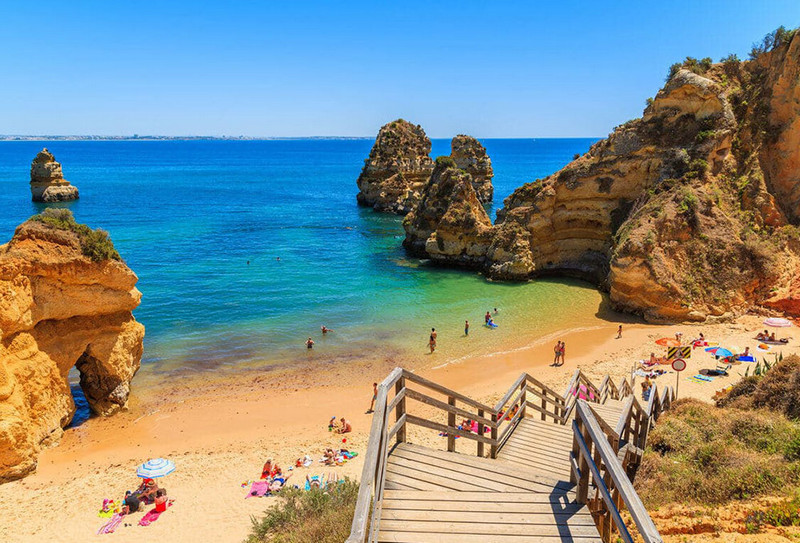
Portugal Weather Guide: Best Months & Climate Insights
Choosing the right time to visit requires understanding a crucial geographical fact: the coastline faces the Atlantic Ocean, not the Mediterranean.
This vast body of water acts as a natural air conditioner, creating distinct microclimates where a sunny afternoon in Lisbon can feel completely different just thirty minutes away in misty Sintra. Locals know that even when the Weather in Portugal by month looks warm on paper, the refreshing coastal wind often calls for a light jacket the moment the sun sets.
Ultimately, finding the “perfect” time depends entirely on your North Star. Whether you are chasing empty beaches, budget-friendly city breaks, or the ideal hiking temperature without heatstroke, your itinerary dictates the season.
The Atlantic Air Conditioner: Why Coastal Portugal Stays Cool While the Interior Sizzles
Many visitors land in Lisbon expecting stifling heat, only to find themselves shivering in a t-shirt after sunset. This happens because Portugal isn’t geographically a Mediterranean country; it faces the open Atlantic. Think of the ocean as a giant, natural air conditioner that runs 24/7 along the western coast.

This massive body of water regulates temperatures, creating a distinct “Atlantic Buffer.” While the interior near the Spanish border might sizzle at 40°C (104°F) in July, the Atlantic Ocean influence on Portugal’s weather patterns keeps coastal cities significantly fresher. The true Mediterranean influence—hot, dry, and calm—only really takes over in the southern Algarve region and deep inland valleys where the cooling ocean winds can’t reach.
Picking the right destination involves navigating three distinct “weather personalities” created by this geography, particularly when making a Lisbon vs Porto weather comparison for travelers:
- The North (Porto & The Minho): Lush, green, and rainy. The Atlantic hits here first, keeping summers mild but ensuring winters remain wet.
- The Center (Lisbon & Silver Coast): The windy middle ground. You get bright sun intensity balanced by crisp ocean breezes that require a light jacket at night.
- The South (Algarve & Alentejo): The sun trap. Here, the Atlantic influence weakens, offering the differences between Mediterranean and Atlantic climates that sun-seekers crave: dry heat and warmer waters.
Knowing these zones helps you choose where to go, but knowing when to go unlocks the best value. As the winter rains retreat, the landscape transforms into a vibrant display before the summer crowds arrive.
Spring Wildflowers and the Layering Strategy: Why March to May is the Sweet Spot for Active Travelers
If you want to see the country at its most vibrant without fighting for elbow room, the “shoulder season” months of March through May are your sweet spot. The landscape finally shakes off the winter grey, exploding with color during the spring wildflower season in the Alentejo region. This period offers a massive financial bonus too: hotels and flights are significantly cheaper than in August, giving you the luxury of high-end travel on a mid-range budget before the summer peak pricing kicks in.
While the air warms up nicely—often hitting a pleasant 20°C (68°F)—the ocean lags behind. Many visitors ask, is it warm enough to swim in the Algarve in May? The answer is usually “no,” unless you have a wetsuit or a high tolerance for 16°C (60°F) water. Instead, this is the prime window for active exploration. You can hike the coastal cliffs or climb Lisbon’s seven hills without the risk of heatstroke that plagues July tourists.
Navigating this weather means mastering the “diurnal swing”—warm days that drop sharply to chilly nights once the sun sets. Understanding the Weather in Portugal during these seasons helps travelers prepare for these quick temperature changes. When deciding what to pack for Portugal in spring and autumn, ignore the heavy winter coat and adopt a flexible three-piece layering strategy:
- Base Layer: A breathable t-shirt for the sunny midday peak.
- Mid-Layer: A light sweater or cardigan for shade and evening dining.
- Outer Shell: A compact windbreaker to block the persistent Atlantic breeze.
Once June arrives, however, the layers come off, and the strategy shifts entirely to surviving the intense midday sun.
Weather in Italy: How to Choose Between Breezy Coastal Beaches and Scorching Inland Plains
By the time July hits, the country splits into two distinct thermal zones. While the average temperature in Portugal hovers around a manageable 28°C (82°F) along the coast, the interior regions like Évora become ovens. It is not uncommon for the Alentejo plains to bake at 40°C (104°F), creating a dry, intense heat that forces life to slow down significantly between 1 PM and 5 PM.
Fortunately, nature provides a powerful air conditioner for Lisbon and the western coastline: the “Nortada.” This prevailing North Wind picks up in the afternoons, blowing cool air off the Atlantic Ocean to cut through the humidity. This is why you might see locals carrying light jackets in Cascais even in August, and why the beaches near Sintra feel significantly fresher than the city centers just 30 minutes inland.
Down south, the dynamic changes due to the “Levante,” a warm, easterly wind that drifts in from the Mediterranean. Unlike the crisp Atlantic breeze, this wind keeps the evenings balmy, making the region ideal for late-night outdoor dining. This reliable warmth explains why golfing weather in the Algarve by season remains popular well into the heat of summer, provided you book an early morning tee time to beat the midday peak.
Surviving the Portuguese summer is largely about timing your movement to match these elements. Savvy travelers embrace the local rhythm: explore historical sites before 11 AM, retreat to the shade or the water during the sun’s zenith, and re-emerge for dinner once the heat breaks. As August fades, the winds soften, and the ocean hits its warmest temperatures of the year, setting the stage for the golden days of early autumn.

Harvest Skies and Surfing Peaks: Why September and October Offer the Best Balance of Crowds and Climate
For many locals, the answer to What’s the best month to go to Portugal is early autumn. The scorching inland heat breaks, yet the days remain golden, creating ideal conditions for the Vindimas—the annual grape harvest. In the Douro Valley, the terraced hillsides turn russet and gold, offering a unique chance to participate in traditional grape stomping under skies that are finally cool enough for comfortable exploration.
Coastal dynamics shift dramatically during this window, trading flat swimming waters for world-class energy. While the Atlantic retains its stored summer heat through September, the arrival of autumn storms in the mid-Atlantic generates massive swells. This transition marks the moment when casual swimming fades and the surfing season peaks in Nazaré and Ericeira, drawing spectators to the cliffs in October to witness the legendary giant waves.
Planning around the rapid changes in weather in Portugal by month requires good timing, so structure your itinerary around this seasonal progression:
- September: Peak Vindimas activity and the warmest water for swimming.
- October: The beginning of “Swell Season” for surfing and significantly lower accommodation rates.
- November: The arrival of São Martinho (chestnut roasting festivals) and the first heavy rains.
As the festive smoke of roasting chestnuts fills the air, the weather patterns diverge sharply, forcing travelers to choose between the rainy north and the mild south.
Damp North vs. Sunny South: The Honest Truth About Portuguese Winters and Where to Find the Warmest Cities
While the chestnut smoke signals the start of the holiday season, it also ushers in a stark atmospheric divide. If you stick to Porto and the Minho region between November and February, leave the sunglasses at home and invest in a sturdy umbrella. The rainy season in northern Portugal generally spans four months, creating a lush, green landscape that drives life indoors to cozy wine cellars and museums rather than beaches.
Drive three hours south, however, and the atmosphere shifts entirely. The Algarve acts as a winter sanctuary where “cold” usually just means needing a light sweater after sunset. You can comfortably play golf or dine al fresco in January, enjoying blue skies that feel more like a Northern European May than deep winter.
Snow is virtually non-existent across most of the country, with one spectacular exception. For those seeking powder, a specific snowfall in Serra da Estrela winter guide is essential; this central mountain range is the only spot on the mainland where you can ski in the morning and drive down to a green valley by afternoon.
To escape the chill completely, aim for the southern coast or the islands.
These destinations consistently rank as the warmest cities in Portugal during winter, offering the highest chance of Vitamin D:
- Lagos: Offers sheltered beaches and mild, sunny days.
- Funchal: Provides subtropical warmth year-round.
- Tavira: Known for its dry climate and long hours of sunshine.
While the mainland offers this clear north-south split, the Atlantic islands play by an entirely different set of rules.

The Island Exception: Navigating the High Humidity and Microclimates of Madeira and the Azores
While the mainland cools down, Madeira operates on its own subtropical timeline. Often called the island of “eternal spring,” temperatures here rarely dip below 16°C (60°F), making it a year-round outdoor haven. However, high humidity means moderate heat feels more intense than the thermometer suggests. This consistency makes practically any time a good time to visit Madeira for hiking, provided you respect how the terrain dictates the sky.
Volcanic geography creates distinct microclimates of the Portuguese islands that trap weather in specific pockets. In Madeira, high mountains block moist trade winds, keeping the southern coast sunny while northern slopes remain lush and wet. You can drive through a rainy mountain tunnel and emerge into blinding sunshine, so packing a raincoat alongside your swimsuit is a non-negotiable strategy.
The Azores take this variability further, frequently cycling through four seasons in a single day. Exposed to the deep Atlantic, these islands experience swift weather fronts where humidity and wind chill factors in coastal Portugal are most extreme. A sunny morning can turn into a foggy downpour by lunch. Mastering these quirks is crucial, but picking the right calendar month is the final piece of the puzzle.
The Ultimate Travel Verdict: Which Month Best Matches Your Budget and Weather Personality?
You no longer need to guess if a swimsuit or a raincoat belongs in your bag. Understanding the Weather in Portugal and the distinct North-South personalities allows you to look past the “always sunny” myth and target the specific experience you crave. Whether you want the intense dry heat of the Algarve or the lush, green winters of the North, you can now align your itinerary with reality rather than wishful thinking.
- Best for Beach: July & August (Guaranteed sun and buzzing energy)
- Best for Touring: May & September (The “Golden Balance” of mild heat)
- Best for Budget: November & February (Low costs and authentic culture)
With your preferred month identified, check the specific average sea temperature in Portugal by month if you plan to swim, or the average temperature in Portugal by month to fine-tune your packing list. Remember to pack layers for the Atlantic breeze, and enjoy a trip perfectly tailored to your comfort level.