Berlin, the capital of Germany, blends modern creativity with deep history, iconic landmarks, world-famous nightlife, sprawling parks, lakes, and multicultural neighborhoods. Millions of visitors arrive every year to see the Brandenburg Gate, the Berlin Wall Memorial, Museum Island, and experience its clubs, street art, and food scene. But with crowded U-Bahn stations, busy nightlife, train hubs, and a constant flow of tourists, many travelers now ask: Is Berlin safe to visit in 2026?
Yes — Berlin is generally safe for tourists in 2026. Violent crime against visitors is uncommon; most neighborhoods are safe to walk in, and public transport is well-organized and widely used by locals. The main concerns involve pickpocketing, bag snatching, bike theft, nightlife incidents, scams around tourist hotspots, and occasional issues in specific areas late at night. With basic precautions, Berlin is safe for solo travelers, families, digital nomads, and first-time visitors.
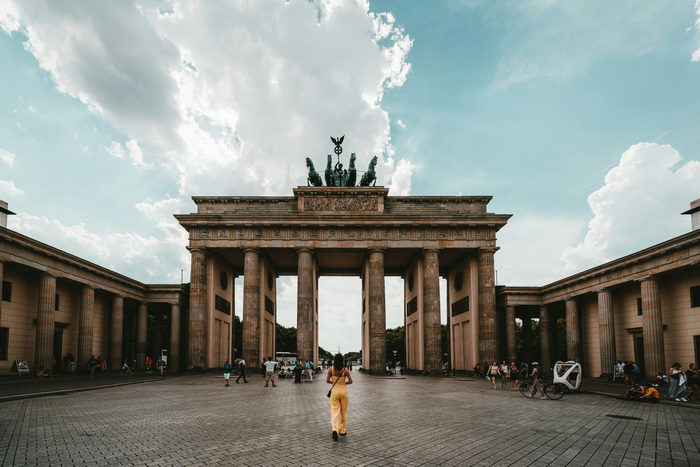
This updated 2026 guide includes: district-by-district safety breakdown, text-based crime map, night safety, solo female guidance, long-tail safety questions, U-Bahn & S-Bahn safety, updated scams, and a detailed “Is Berlin safe RIGHT NOW?”.
Is Berlin Safe to visit in 2026 for Tourists?
Yes — Berlin is safe for tourists in 2026. It is more relaxed and manageable than many major world capitals, and most visitors explore the city without serious problems. You will see families, students, and solo travelers walking around central areas from early morning until late at night.
The main risks involve petty theft in tourist zones, pickpocketing on U-Bahn and S-Bahn lines, bag snatching around nightlife streets, occasional harassment late at night, scammy bar or taxi practices, and minor street fraud.
These issues are concentrated in a few specific districts and busy hubs, and can be avoided with simple awareness.
Is Berlin Safe RIGHT NOW? (2026 Update)
Yes — Berlin is safe right now in 2026. Major tourist areas such as Mitte (Brandenburg Gate, Museum Island, Alexanderplatz), Prenzlauer Berg, Charlottenburg, Kreuzberg, Friedrichshain, and Potsdamer Platz are functioning normally and remain accessible to visitors. There are no general citywide safety alerts that specifically affect tourists.
2025–2026 safety improvements include:
-
- Increased patrols around Alexanderplatz, Brandenburg Gate, and major U-Bahn interchanges
- More CCTV cameras in transport hubs and busy stations
- Improved lighting in certain parks and riverfront sections
- Crackdowns on unlicensed taxis and illegal street vendors
- Targeted campaigns against pickpocketing in tourist-heavy zones
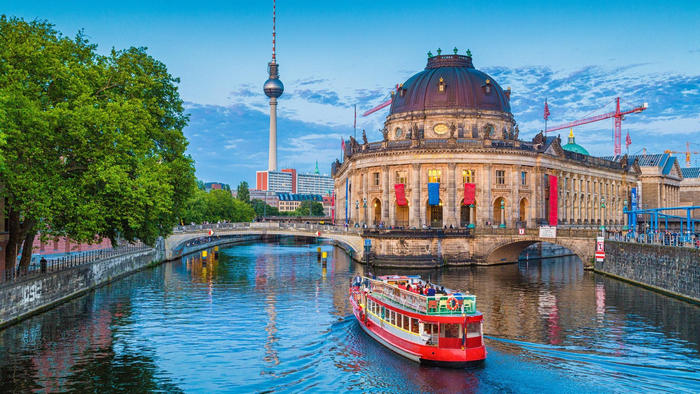
Common Tourist Risks in Berlin
1. Pickpocketing (Most Common)
Pickpockets target U-Bahn and S-Bahn trains, especially on busy lines, around Alexanderplatz, Zoologischer Garten, Warschauer Straße, Friedrichstraße, and in crowded markets or Christmas fairs. Keep your bag closed, in front of you, and be extra alert when entering or exiting trains.
2. Bag & Phone Snatching
Thieves sometimes grab phones from café tables, park benches, or bar counters. Keep your phone and bag close to your body and never leave valuables unattended.
3. Nightlife Scams
In some nightlife streets, certain bars or unofficial venues may overcharge, add hidden fees, or pressure guests into expensive drink rounds. Stick to well-reviewed places and avoid following random promoters into unknown bars.
4. Taxi Overpricing & Unlicensed Cabs
Most Berlin taxis are regulated, but some may overcharge tourists, especially from airports or nightlife areas. Use official taxis, check that the meter is on, or rely on ride apps.
5. U-Bahn & S-Bahn Theft
Crowded trains and platforms make it easier for pickpockets. They often work in groups, using distraction techniques such as “accidental” pushes or dropped items.
6. Fake Charity / “Donation” Scams
Street scammers may ask for donations to fake charities, sign petitions, or aggressively sell small items. Politely say no and move on.
Is Berlin Safe at Night?
Yes — Berlin is generally safe at night, especially in central districts like Mitte, Prenzlauer Berg, Charlottenburg, and most of Friedrichshain and Kreuzberg. These areas are lively, well-lit, and regularly used by locals and tourists until late.
- Alexanderplatz: busy, central, safe, but can attract pickpockets and loitering groups — stay aware.
- Kreuzberg & Friedrichshain: famous for nightlife; safe overall but expect loud, crowded streets and occasional drunk behavior.
- Neukölln: rapidly gentrifying, popular but more mixed; some streets can feel rough late at night.
- Charlottenburg: calm, upscale, and considered very safe at night.
- Prenzlauer Berg: residential, family-oriented, extremely safe after dark.
Compared to many major capitals, Berlin’s night safety is good, but nightlife areas naturally come with more noise, alcohol, and minor disorder.
Is Berlin Safe for Solo Female Travelers?
Yes — Berlin is generally very safe for solo female travelers. Women regularly walk alone, use public transit, visit bars and clubs, and explore different neighborhoods without significant issues. Berlin ranks among Europe’s most open, diverse, and welcoming cities for solo women.
- Stay in Mitte, Prenzlauer Berg, Charlottenburg, or Friedrichshain for maximum comfort
- Avoid very empty parks or secluded riverbanks late at night
- Use ride apps or official taxis after clubbing instead of walking long distances
- Watch drinks in bars and clubs, and avoid accepting open drinks from strangers
Safest Areas to Stay in Berlin
- Mitte — Central, historic, full of landmarks, safe, and ideal for first-time visitors.
- Prenzlauer Berg — Trendy, family-friendly, very safe, with cafés, parks, and a relaxed vibe.
- Charlottenburg — Elegant, upscale, safe, close to Kurfürstendamm and Schloss Charlottenburg.
- Friedrichshain — Young, energetic, generally safe with lots of bars and restaurants.
- Schöneberg — Residential, LGBTQ+-friendly, calm, and well-connected.
- Zehlendorf — Leafy, suburban, quiet, and highly safe, further from the center.
Areas to Be More Careful in Berlin
- Parts of Neukölln — popular but mixed; petty crime, noise, and rowdy behavior can occur late.
- Certain streets around Görlitzer Park — busy, with visible drug-dealing; generally not dangerous, but can feel uncomfortable.
- Alexanderplatz late at night — crowded, some loitering; watch your belongings.
- Around big train stations (Hauptbahnhof, Zoologischer Garten, Ostbahnhof) — safe but busier and more chaotic.
- Very isolated park areas after dark — generally safe, but better avoided when empty.
Berlin does not have “no-go” zones for tourists, but it does have areas where petty crime, disorder, or discomfort is more likely, especially late at night.
Berlin Crime Map 2026
The safest areas include Mitte (central parts), Prenzlauer Berg, Charlottenburg, Schöneberg, and Zehlendorf. Medium-risk regions include parts of Kreuzberg, Friedrichshain, and Neukölln, as well as around major train stations, especially at night. High petty theft risk is concentrated in busy tourism and transport zones such as Alexanderplatz, major U-Bahn hubs, Kurfürstendamm shopping streets, Warschauer Straße (especially on weekends), Christmas Markets, and festival areas. Violent crime against tourists is rare across the city.
Safety by Area / District (2026 Breakdown)
Mitte
The core tourist area includes the Brandenburg Gate, Museum Island, and Alexanderplatz. Very safe, heavily visited, but with higher pickpocketing in crowded areas.
Prenzlauer Berg
Residential, trendy, family-friendly, and highly safe. Great cafés, parks, and an easy-going atmosphere.
Charlottenburg
Upscale, elegant, and calm. Safe day and night, with popular shopping streets and classic architecture.
Friedrichshain
Young and alternative, with the East Side Gallery and nightlife streets. Safe overall, but expect noise, parties, and occasional minor incidents at night.
Kreuzberg
Multicultural and vibrant. Largely safe and popular with tourists but busier and more chaotic at night in certain pockets.
Neukölln
Rapidly gentrifying and popular with younger travelers. Generally safe, but some streets can feel rougher, especially late at night.
Schöneberg
Calm, LGBTQ+-friendly, safe, and convenient for both nightlife and relaxed stays.
Zehlendorf
Leafy, suburban, one of the safest and quietest areas, but further from central attractions.
Wedding
More residential and mixed; safe overall, but not as polished as the central districts. Basic awareness is sufficient.
Is Public Transportation Safe in Berlin?
U-Bahn (Underground)
Safe and widely used by locals and tourists. The main risk is pickpocketing in crowded trains and stations. Stay alert at major interchanges like Alexanderplatz, Zoologischer Garten, and Friedrichstraße.
S-Bahn (Suburban Trains)
Safe and efficient, especially for reaching outer districts, airports, lakes, and day-trip routes. Watch your belongings when trains are crowded or late at night.
Buses
Safe, reliable, and valuable for routes not covered by rail. Petty theft is uncommon, but it’s still best to keep your bag close.
Trams
Trams in eastern districts are modern and generally very safe. Pickpockets rarely target them compared to the U-Bahn and S-Bahn.
Taxis
Regulated and usually safe. Some may overcharge tourists, especially from airports or nightlife areas; insist on using the meter.
Ride Apps
Ride-sharing and app-taxis are considered safe and convenient, especially late at night or after visiting clubs.
Walking
Central Berlin is very walkable and safe, with wide sidewalks, clear signage, and bike paths. At night, stick to the principal, well-lit streets.
Is Berlin transport safe? Yes — especially U-Bahn, S-Bahn, trams, and ride apps, provided you stay aware of your belongings.
Is Berlin Safe for Families?
Yes — Berlin is very family-friendly. Numerous parks, playgrounds, lakes, museums, zoos, and pedestrian streets make it a good destination for children and parents.
- Stay in Prenzlauer Berg, Charlottenburg, or Mitte for easy access and comfort.
- Avoid exceptionally crowded nightlife streets late at night with kids
- Use ride apps instead of public transport late at night ifthe children are tired
Is Berlin Safe for Digital Nomads?
Yes — Berlin is a central hub for digital nomads and expats. Safe neighborhoods, vibrant coworking spaces, good internet, and a strong international community make it attractive for remote workers.
Digital nomads often choose areas like Kreuzberg, Friedrichshain, Neukölln (in safer streets), Mitte, and Prenzlauer Berg, depending on their preferred lifestyle.
Scams in Berlin (2026 Updated List)
1. U-Bahn and S-Bahn Pickpockets
The most common issue. Thieves use distraction techniques and target doors, escalators, and crowded trains. Always secure phones and wallets.
2. Restaurant or Bar Overcharging
Rare, but some very touristy spots may add unexpected surcharges. Check menus and receipts carefully.
3. Fake Charity Collectors
People may approach with clipboards or fake donation forms in busy areas. Politely refuse and move on.
4. “Found Ring” or Small Object Scam
Someone pretends to find a ring or small item and tries to sell it to you as “gold.” Simply ignore.
5. Taxi Meter Tricks
A minority of drivers might avoid using the meter or take a longer route. Use ride apps or insist on the meter.
6. Ticket & Tour Resellers
Unofficial sellers near major sites may offer overpriced or low-quality tours. Book through official websites or reputable agencies.
Berlin Safety Questions
Is Berlin safe right now?
Yes — all major tourist zones are stable, monitored, and active in 2026.
Is Berlin safe at night?
Yes — especially in central, well-lit districts like Mitte, Charlottenburg, and Prenzlauer Berg.
Is Berlin safe to visit in 2026 for Americans?
Yes — Americans visit in large numbers and generally rate Berlin as safe and easy to navigate.
Is Berlin safe for solo female travelers?
Yes — with basic precautions for nightlife and transport.
Is Berlin safe for families?
Yes — family-friendly parks, museums, and calm residential areas.
Is Berlin safe for digital nomads?
Yes — it is a central remote-work hub with a strong expat community.
Is Berlin safe to walk around?
Yes — very walkable, especially in central districts and along main streets.
Is Berlin safer than other European capitals?
Yes — crime is moderate and mainly non-violent compared to some larger capitals.
Is Berlin safe during peak season?
Yes, but transport, markets, and famous squares get crowded, increasing the risk of pickpocketing.
Is Berlin safe for first-time visitors?
Yes — straightforward public transport, clear signage, and tourist-friendly infrastructure.
Final Verdict — Is Berlin Safe to Visit in 2026?
Yes — Berlin is safe to visit in 2026. It remains one of Europe’s most interesting and accessible capitals, with relatively low violent crime, efficient public transportation, and a potent mix of local communities and visitors. Petty theft exists in busy transport hubs, nightlife districts, and tourist attractions, but serious incidents involving tourists are rare. A bit of common sense and awareness is enough to enjoy Berlin comfortably and securely.
Whether you are visiting the Brandenburg Gate, walking along the East Side Gallery, exploring museums, relaxing in Tiergarten, or enjoying Kreuzberg’s food and nightlife, Berlin offers a safe, energetic, and unforgettable travel experience.
FAQs
Is Berlin safe for tourists?
Yes — Berlin is generally safe with low levels of violent crime against visitors.
Is Berlin safe at night?
Yes — central districts are well-lit and active, though nightlife areas can be noisy and crowded.
Is Berlin safe to visit in 2026 for solo female travelers?
Yes — Berlin is considered safe for solo women with basic precautions.
Is Berlin safe right now?
Yes — 2026 conditions indicate stable, secure tourism activity across the city.