10 Hidden Gems in Rome: Must-See Things to Do
The biggest mistake tourists make in Rome isn’t what they miss, but how they see the must-do sights. Many visitors spend more time waiting in line for the Colosseum than enjoying its ancient beauty.
The pressure to see two thousand years of history can turn a dream trip into a rushed experience. This can leave you feeling more tired than inspired.
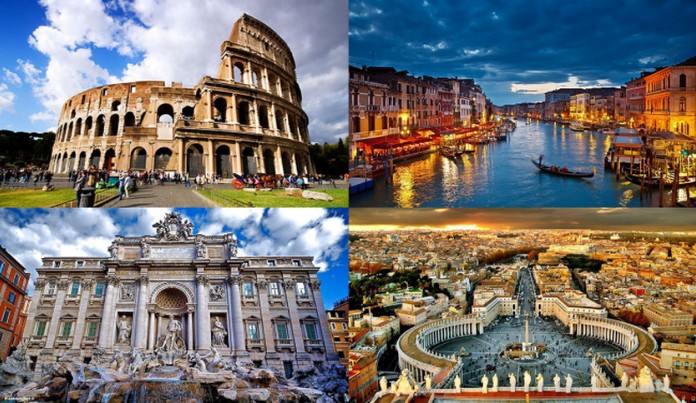

This guide offers a different path. An amazing trip isn’t about seeing everything, but about experiencing the right things in the right way.
You don’t have to pick between the Vatican and a real trattoria. We will show you how to enjoy both without stress. Forget the fear of missing out; it’s time to trade that long queue for a second scoop of gelato.
How to See the Colosseum Without Waiting in a 3-Hour Line
The most important tip for visiting the Colosseum is this: book your ticket online in advance. The site now has a timed-entry system. This means your pre-booked ticket lets you skip the long general admission line. This simple step can save you hours of waiting in the hot Roman sun and is no longer a suggestion—it’s a necessity.
Your Colosseum ticket is also a combo pass that includes entry to the adjacent Roman Forum and Palatine Hill. Think of the Forum as the busy downtown of ancient Rome. Palatine Hill was the special area where emperors lived. This single ticket covers the entire heart of the ancient world, saving you both time and money.


If you see an option for the Colosseum Underground tour, should you book it? For most people, the answer is a resounding yes.
A guide leads you under the arena floor. You will explore the maze of tunnels where gladiators and wild animals waited for their fate. It’s a fascinating look behind the scenes. It makes history feel very real and is worth the extra cost.
Vatican City 101: A Simple Guide to a Complicated Place
Stepping into St. Peter’s Square can feel like entering another world—and in a way, you are. Vatican City is the smallest independent state in the world, and it can be confusing for first-timers.
It has three main attractions: St. Peter’s Square (a large open area, free to enter), **St. – Peter’s Basilica is a beautiful church.
- It is free to enter, but there is a long security line.
- The Vatican Museums include the Sistine Chapel.
- You need to buy a ticket to enter the Vatican Museums.
The Basilica and the Museums have separate entrances and separate lines.
Don’t make the mistake of waiting in the long security line for the Basilica. If you want to see the Sistine Chapel, go to the Museums instead.
To visit the large Vatican Museums, book a timed-entry ticket online.
Use the same strategy as for the Colosseum. This is the only way to skip the lines, which regularly stretch for hours. Pro tip: book the first available time slot of the morning (usually around 8 AM). You’ll experience masterpieces like the Sistine Chapel with a fraction of the afternoon crowds.

- Here’s an important note about the dress code in Vatican City.
- You need to cover your shoulders and knees.
- This is required to enter the Basilica and Museums.
It’s a strictly enforced rule of respect.
- Vatican Dress Code Checklist:
- Shoulders covered (no tank tops or strapless tops)
- Knees covered (no short shorts or miniskirts)
- No hats inside
The Secret to Seeing Rome’s Most Famous Fountains and Squares
The legendary Trevi Fountain is a perfect example of Rome’s street-side beauty, but its fame draws enormous crowds. The best time to visit is before 9 AM. You’ll swap the sea of selfie sticks for a peaceful moment to toss your coin and ensure your return to Rome.
Just a few minutes away, you’ll find the Pantheon, a nearly 2,000-year-old temple that’s one of the best-preserved ancient buildings on Earth. A small entrance fee (around €5) is now required. Once you enter, look up. The big hole in the ceiling, called the oculus, is open to the sky. It was the only light source for the building.

Continue your walk to Piazza Navona. It is a beautiful, oval-shaped square that was once an ancient Roman stadium. Today, it’s famous for its magnificent fountains, especially Bernini’s Fountain of the Four Rivers. It’s an amazing spot to people-watch and admire the grand Baroque architecture that surrounds you.
How to Eat Like a Roman and Avoid the #1 Tourist Mistake
After a day of exploring, the worst mistake is sitting in the first place you see near a big monument. If the host is aggressively trying to lure you in or the menu is a giant laminated book with pictures, walk away. These spots almost always serve overpriced food.
For a truly authentic meal, find a trattoria—a casual, often family-run restaurant serving traditional, homestyle food. The secret is simple:
walk just two or three blocks away from any major piazza or attraction. You’ll be amazed at how the quality shoots up as the crowds thin out.
Once you’ve found the perfect spot, order with confidence by looking for Rome’s most iconic pasta dishes:
- Cacio e Pepe: A beautifully simple and creamy sauce made from Pecorino cheese and black pepper.
- Carbonara: The real deal uses egg, hard cheese, and crispy cured pork (guanciale)—never cream!
- Amatriciana: A rich and savory tomato-based sauce flavored with cured pork and a hint of spice.
Before dinner, embrace a beloved local ritual: the aperitivo.
This is Italy’s version of happy hour before dinner. When you order a drink, you get free snacks. It’s the perfect way to relax after a day of sightseeing.
Trastevere: Your Guide to Rome’s Most Charming Neighborhood
If you’re searching for that picture-perfect, movie-set version of Rome, you will find it in Trastevere. Located across the Tiber River, this neighborhood feels like a small village within the city. Its narrow cobblestone streets and ivy-draped buildings make it the ideal place to find an authentic trattoria.
While the area is quiet during the day, it completely transforms in the evening.
As night falls, locals and visitors come out of busy bars and restaurants. They fill the old alleyways with a warm, lively buzz that is truly Roman.
Don’t come here with a big checklist. The best way to experience Trastevere is to wander and get a little lost in its maze-like streets.
You’ll stumble upon tiny, fountain-filled piazzas, artisan workshops, and street performers. The goal isn’t to see a specific thing; it’s to soak in the incredible atmosphere.
The Best View of Rome Isn’t Where You Think
Many visitors climb crowded domes to see the city.
However, one of Rome’s best views is free and quite peaceful. Walk up the calm Aventine Hill. This lovely neighborhood gives you a nice break from the city’s noise.
Here, you’ll discover the Giardino degli Aranci, or the Orange Garden.
This small, fragrant park leads to a terrace. From here, you can see a stunning view of the river, the rooftops, and the dome of St. Peter’s Basilica. It’s an ideal spot to watch the sunset without elbowing for space.
Before you go, walk a few steps up the road. You will see a large green door. It belongs to the Priory of the Knights of Malta. Peek through its unassuming keyhole.
You’ll be rewarded with a magical surprise: a perfectly framed view of St. Peter’s dome at the end of a garden path. It’s a tiny, unforgettable moment that makes you feel like you’ve discovered a real Roman secret.
Borghese Gallery: The Museum for People Who Hate Crowds
If crowded places at the Vatican Museums make you anxious, consider visiting the Borghese Gallery. It’s a great option. This museum is located in a beautiful villa in Rome’s best park. It offers a calm, intimate way to see amazing art.
Here’s the non-negotiable rule: you must have a reservation. The gallery only allows a limited number of people inside for a strict two-hour window.
This means no crowds and an unobstructed view of every masterpiece. Tickets often sell out weeks or even months in advance. So, booking online should be one of the first things you do when planning your trip.
Inside, you’ll come face-to-face with the breathtaking sculptures of Gian Lorenzo Bernini. You don’t need to be an art historian to be stunned by his work; he could make marble look as soft as skin. Look for Apollo and Daphne, a sculpture that shows a woman transforming into a tree right before your eyes.
Is the Roma Pass Worth It? A Simple Math Problem
With entry fees adding up, many travelers wonder if a city pass is a good deal.
The Roma Pass bundles attractions and transport for 48 or 72 hours, but whether it saves you money depends on your plans.
The pass provides “free” entry to your first one or two major museums (depending on the pass duration), with discounts on others. Using it for the Colosseum, Roman Forum, and Palatine Hill complex quickly recovers a large portion of its cost.
Beyond museums, the pass grants unlimited travel on Rome’s public transport network—all buses, trams, and metro lines. Instead of fumbling for change to buy single-ride tickets, you just tap your pass and go, which is a massive convenience.
So, the decision is straightforward. If you plan to visit two or more major museums, not including the Vatican, the pass is likely a good deal. Additionally, if you will use public transport to travel between neighborhoods, it may be worth it.
Your Simple 3-Day Rome Itinerary: Putting It All Together
To help you plan your trip, here is a sample itinerary for Rome. It shows what to see in Rome in 3 days, grouped by location.
- Day 1 (Ancient Core): Start your morning at the Colosseum, Roman Forum, and Palatine Hill (pre-booked!). In the afternoon, wander between the Pantheon, Trevi Fountain, and Piazza Navona.
- Day 2 (Vatican & Art): Dedicate your morning to the Vatican Museums and St. Peter’s Basilica (pre-booked!). In the evening, reserve a slot to see the masterpieces at the Borghese Gallery (pre-booked!).
- Day 3 (Local Charm & Views): Explore the lovely streets of Trastevere.
Walk up to the Giardino degli Aranci for a beautiful sunset. Then, head back down for a classic evening aperitivo.
Remember the most important tip: booking your main tickets in advance is the key that unlocks a stress-free trip.
This plan isn’t a strict schedule; it’s your empowered starting point. You now have the tools to trade a museum for an extra-long lunch or follow a cobblestone street just to see where it leads. The magic of Rome is ready for you—go make it your own.