Warsaw, the capital of Poland, is one of Europe’s most rapidly developing cities—a modern metropolis filled with history, nightlife, culture, and some of the most impressive museums in Central Europe. With millions of tourists visiting each year and the city increasingly appearing in global travel guides, many first-time travelers ask the same question: Is Warsaw safe to visit?
Yes — Warsaw is safe for tourists. It is one of the safest large capitals in Europe, with low levels of violent crime, clean, well-lit streets, excellent public transportation, and a strong security presence in all major tourist areas. Most incidents involving visitors are minor and preventable, such as pickpocketing, phone theft, taxi overcharging, and nightlife-related scams. Violent crime targeting tourists is infrequent. Warsaw’s city center feels calm, organized, and welcoming, especially compared to many Western European capitals.
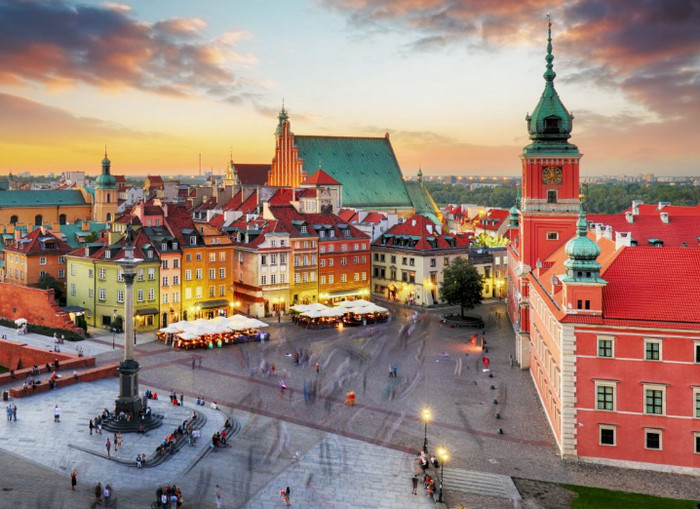
This guide includes a district-by-district safety overview, a text-based crime map, safety questions, guidance for solo female travelers, nightlife safety, transportation safety, scams to avoid, and a complete “Is Warsaw safe RIGHT NOW?” update.
Is Warsaw Safe for Tourists?
Yes — Warsaw is safe for tourists. It consistently ranks among the safest major cities in Europe, with modern infrastructure, reliable policing, and very low violent crime rates. Most tourist zones, including Old Town, Śródmieście, Powiśle, and Wilanów, are well-lit, clean, and busy late into the evening. Warsaw’s reputation for safety has grown significantly over the last decade due to urban improvements, new surveillance systems, and rising tourism.
The biggest issues visitors may face are petty theft, scam taxis, and occasional nightlife scams. These problems exist in most big European capitals and are easy to avoid with basic awareness. Walking, using public transport, and sightseeing in Warsaw is safe and comfortable for both first-time and experienced travelers.
Is Warsaw Safe RIGHT NOW?
Yes — Warsaw is safe right now. The city’s political climate is stable, and there has been no change in safety levels for tourists. Life in central Warsaw continues as usual, with a strong police presence, active nightlife, and excellent public services. The city is calm, organized, and safe to explore.
Significant safety improvements include:
- Expanded CCTV coverage in Śródmieście and Old Town
- More police patrols around nightlife districts like Mazowiecka Street
- Better taxi regulation to prevent scams
- Improved lighting along the riverfront walking paths in Powiśle
- Increased security in metro stations during peak hours
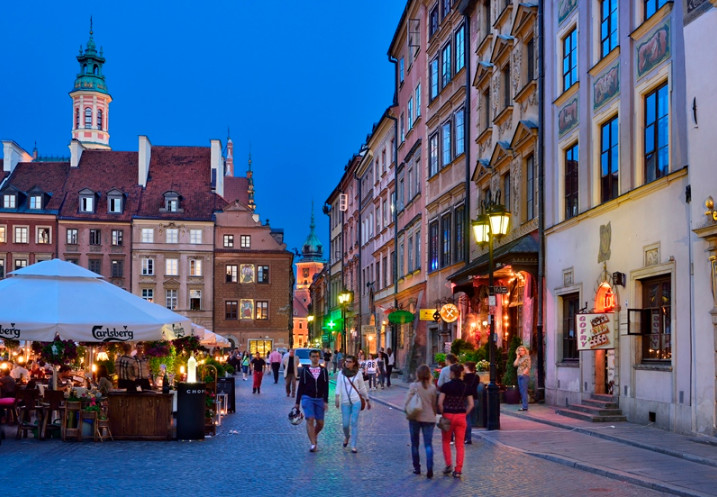
Most Common Tourist Risks in Warsaw
1. Pickpocketing
Pickpockets may target crowds in Old Town, metro stations, and busy trams. Keep your bag zipped and your phone secure.
2. Phone Theft
Rare but possible in nightlife areas or on crowded trams. Avoid leaving your phone on bar tables.
3. Taxi Overcharging
Some taxis may try to charge inflated prices. Use ride apps like Bolt or FreeNow.
4. Nightlife Scams
In tourist-heavy nightlife streets, a few bars may add unexpected service charges or overpriced drinks. Stick to reputable venues.
5. Fake Charity Petition Scams
Common around Old Town. Politely decline and keep walking.
6. ATM Skimming
Use ATMs inside malls or bank buildings.
Is Warsaw Safe at Night?
Yes — Warsaw is safe at night in central areas like Śródmieście, Old Town, Powiśle, Żoliborz, and Wilanów. These neighborhoods stay active well into the night, with plenty of lighting and foot traffic. Overall, Warsaw feels more orderly and calmer at night than other major cities in Central Europe. That said, some outer residential areas and quiet suburban streets can feel empty after midnight. For late-night travel, ride apps are the safest and most convenient option.
Is Warsaw Safe for Solo Female Travelers?
Yes — Warsaw is safe for solo female travelers. Women frequently walk alone in the city’s districts, use public transportation, and enjoy nightlife areas without significant issues. Catcalling is rare in the central zones, and locals are respectful.
- Stay in central areas like Old Town, Powiśle, or Śródmieście
- Use ride apps for late-night transportation
- Avoid walking alone in isolated parks after dark
- Choose reputable bars and nightclubs
- Keep drinks within sight
Warsaw is considerably safer for solo women than many Western European capitals.
Safest Areas to Stay in Warsaw
- Old Town (Stare Miasto) — Extremely safe, historic, and highly tourist-friendly.
- Śródmieście — The safest and most central district, perfect for first-time visitors.
- Wilanów — Upscale, calm, and very safe, ideal for families.
- Żoliborz — Quiet, green, and one of the safest districts in Warsaw.
- Powiśle — Trendy riverside neighborhood, safe day and night.
- Mokotów — Modern, safe, and full of parks and cafés.
Areas to Avoid in Warsaw (Especially at Night)
Parts of Praga Północ, especially around the train tracks and older estates, can feel unsafe late at night due to petty crime. Some isolated blocks in Wola and Ochota also have a reputation for occasional disturbances. Warsaw’s center and tourist areas are generally very safe, but it’s best to avoid poorly lit side streets after dark. These areas are not dangerous—just less tourist-friendly and less comfortable after dark.
- Praga Północ — Historic but rough at night; safe during the day if you stay on main streets.
- Some parts of Wola are safe overall, but certain older blocks can feel uncomfortable late at night.
- Outer Ursus and Targówek — Far from the center and not well-lit at night.
- Isolated riverbanks — Safe at sunset but empty after midnight.
Warsaw Crime Map (Overview)
The safest districts include Śródmieście, Wilanów, Żoliborz, Powiśle, Mokotów, and Old Town. Medium-risk zones include Wola and Praga Północ (at night).
Higher-risk areas for petty theft include busy metro stations, Old Town crowds, the nightlife streets of Mazowiecka, and the central railway station. Violent crime against tourists is rare across all districts.
Safety by District
Śródmieście
The safest and most central district. Well-lit, highly policed, and active day and night. Ideal for first-time travelers.
Old Town (Stare Miasto)
Extremely safe with constant tourist activity. Petty theft is possible in crowded squares.
Wilanów
Upscale residential district with extremely low crime. Safe for families and long-term stays.
Żoliborz
Quiet, green, and one of Warsaw’s safest neighborhoods. Very comfortable for solo travelers.
Powiśle
Trendy riverside area with cafés, bars, and safe walking paths. Busy and secure at all hours.
Mokotów
Safe, modern, and full of parks. Ideal for digital nomads and families.
Praga Północ
Safe during the day in tourist-friendly areas, but rougher at night. Stick to main streets.
Is Public Transportation Safe in Warsaw?
Metro
The Warsaw metro is very safe, reliable, and clean. Pickpocketing can occur during rush hours on busy lines.
Trams
Safe and widely used, but crowded trams can attract thieves.
Buses
Safe during the day. Some late-night routes can feel isolated.
Ride Apps
The safest and most convenient nighttime option. Bolt and FreeNow are widely used.
Is Warsaw transport safe? Yes — especially in central districts.
Is Warsaw Safe for Families?
Yes — Warsaw is very family-friendly. The city offers clean parks, modern museums, and safe pedestrian zones. Family travelers prefer Wilanów, Żoliborz, and Śródmieście for their calm environment and excellent amenities.
- Use ride apps at night.
- Stay near metro lines for convenience.
- Avoid extremely crowded trams with small children
Is Warsaw Safe for Digital Nomads?
Yes — Warsaw is one of Central Europe’s top digital nomad hubs. Fast internet, safe neighborhoods, and modern coworking spaces make it ideal for remote work. Powiśle, Mokotów, and Śródmieście are especially popular among long-term visitors.
Nomads report feeling safe walking at night, using public transport, and working in cafés and coworking hubs.
Scams in Warsaw (Updated List)
1. Taxi Scams
Some taxis may attempt to charge inflated fares. Always use ride apps or official companies.
2. Pickpocket Distraction Scams
Thieves use distractions in crowded tourist zones. Keep belongings secure.
3. Nightclub Overcharging
Only visit reputable clubs. Avoid bars with persistent promoters.
4. Fake Petition or Charity Collectors
Common in Old Town. Politely decline.
5. ATM Skimming
Use ATMs inside banks or shopping malls.
Warsaw Safety Questions
Is Warsaw safe right now?
Yes — city center districts remain stable, calm, and well-monitored.
Is Warsaw safe for Americans and Europeans?
Yes — both groups visit in large numbers and consistently report positive experiences.
Is Warsaw safe at night?
Yes, in central districts, quieter residential streets should be avoided late at night.
Is Warsaw safe for solo female travelers?
Yes — Warsaw is one of Europe’s safest capitals for solo women.
Is Warsaw safe to walk around?
Yes — the city is highly walkable and comfortable both day and night.
Final Verdict — Is Warsaw Safe to Visit?
Yes — Warsaw is safe to visit. The city has low violent crime, strong policing, excellent transportation, and clean, friendly neighborhoods. Petty theft exists but is manageable with simple precautions. Whether you’re exploring Old Town, relaxing in Powiśle, enjoying cafés in Mokotów, or visiting museums in Śródmieście, Warsaw offers a safe, modern, and rewarding travel experience.
FAQs
Is Warsaw safe for tourists?
Yes — especially in Śródmieście, Old Town, Powiśle, Żoliborz, and Wilanów.
Is Warsaw safe at night?
Yes — central areas are busy and well-lit, though some quieter streets should be avoided late at night.
Is Warsaw safe for solo female travelers?
Yes — Warsaw is considered very safe for solo women.
Is Warsaw safe right now?
Yes — updates confirm that conditions are stable and safe for tourists.