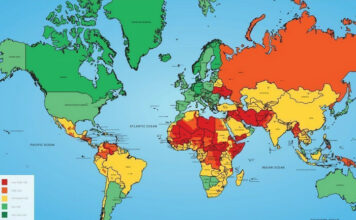
Turkey is one of the best travel destinations in the world. Every year, millions of people visit the country. They come to see its rich history and impressive landmarks. They enjoy the diverse landscapes and beautiful coastlines. Many people ask an essential question before planning their trip: Is Turkey safe to visit?
Safety is a common concern for travelers, especially for those visiting Turkey for the first time. Turkey is a large and complex country. However, the areas that most tourists visit are usually safe. These areas are well-policed and focused on tourism. Millions of visitors travel to Turkey every year without serious issues.
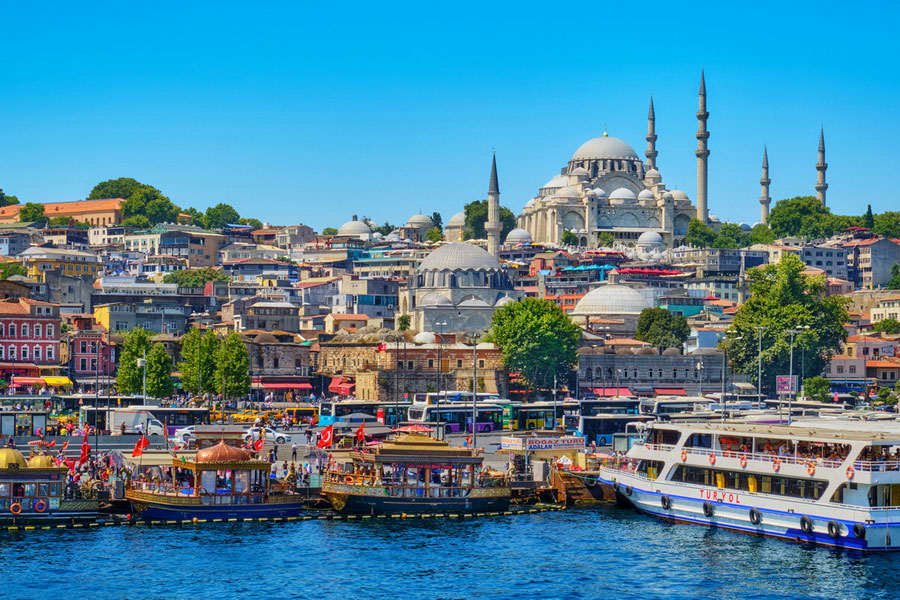
Ex Istanbul et Ankara ad Antalya, Bodrum, Izmir, Cappadocia, Fethiye, et Marmaris, Turcia multa loca tuta et nota praebet viatoribus. Busy cities, lively nightlife, crowded markets, and popular tourist spots can raise safety concerns. However, Turkey has strong security measures in tourist areas.
Yes — Turkey is generally safe for tourists. Violent crime against tourists is rare in popular travel spots. Locals are usually friendly and helpful.
Tourism is still a national priority. The most common concerns involve pickpocketing, bag snatching, tourist scams, taxi overcharging, and petty theft in crowded areas. With standard precautions in place, Turkey is safe for many types of travelers, including couples, families, and first-time visitors.
Is Turkey Safe to Visit for Tourists?
Yes — Turkey is safe to visit for tourists, especially in the main tourist destinations. The country has a strong police and security presence in places that visitors often go. This includes city centers, airports, transport hubs, resorts, and historic landmarks.
Most incidents involving tourists are non-violent and opportunistic. These incidents usually occur in crowded places such as bazaars, busy streets, public transport, and major attractions. The most common safety issues travelers may encounter include:
- Pickpocketing in overcrowded areas and public transport
- Tourist scams in busy markets and near attractions
- Taxi overcharging or unofficial taxis
- Theft of unattended bags or valuables
- Overpricing in highly touristic restaurants or shops
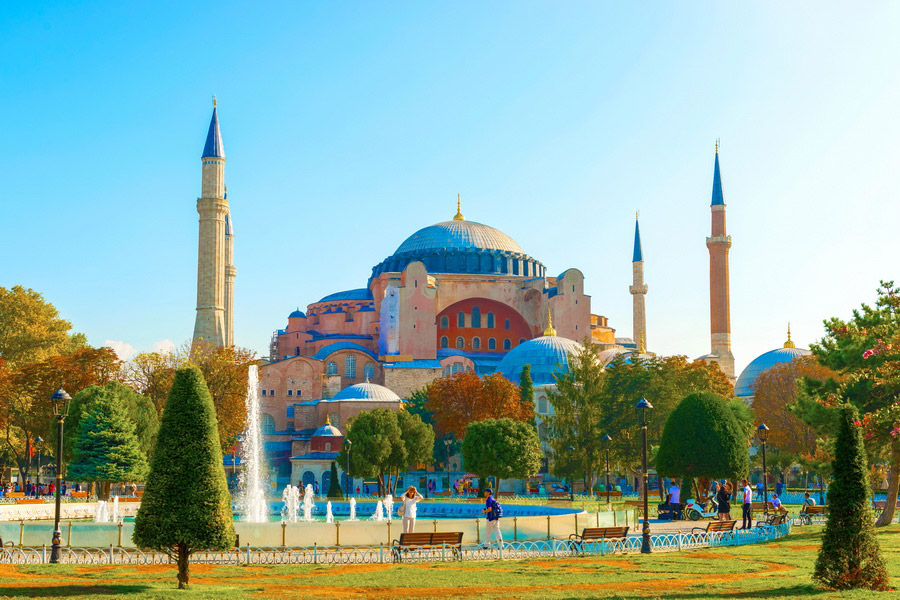
Is Turkey Safe RIGHT NOW?
Yes — Turkey is safe for tourists visiting major destinations. Popular cities, resorts, and cultural sites are open and operating normally.
Tourism infrastructure across Turkey functions smoothly. Airports, hotels, transport systems, and tourist services operate daily without significant disruption. Millions of visitors continue to travel throughout the country every year.
Current safety measures in Turkey include:
- Visible police and security presence in tourist districts
- Security screening in major transport hubs and attractions
- Extensive CCTV coverage in city centers and airports
- Strong hotel and resort security in coastal areas
- Increased patrols during peak travel seasons
Visitors can visit popular tourist areas such as Istanbul, Antalya, Bodrum, Cappadocia, and the Aegean coast. They should keep standard travel safety in mind.
Is Turkey Safe at Night?
Yes — Turkey is generally safe at night in most central and tourist-friendly areas. Cities and resort towns have active nightlife scenes, and it is common to see locals and tourists out late.
- Istanbul (Sultanahmet, Taksim, Galata): busy and well-lit, but crowded
- Antalya resort areas: very safe and tourist-oriented
- Bodrum nightlife zones: safe but lively late at night
- Cappadocia towns: extremely calm and safe after dark
- Izmir center: generally safe on main streets
Travelers should avoid dark alleys, empty side streets, and isolated areas at night. This is especially important in big cities.
Is Turkey Safe for Solo Female Travelers?
Yes — Turkey is generally safe for solo female travelers, especially in major tourist destinations and resort areas. Every year, many women travel alone in Turkey. They explore historic cities, coastal resorts, cultural sites, and beautiful landscapes.
In popular destinations such as Istanbul, Cappadocia, Antalya, Bodrum, and Izmir, solo female travel is common and widely accepted. Violent crime against female tourists is rare, and most women report feeling safe.
- Stay in central, well-reviewed neighborhoods
- Dress modestly in conservative or rural areas
- Use licensed taxis or hotel-arranged transport at night
- Avoid isolated streets late at night
Overall, Turkey is seen as a safe and enjoyable place for solo female travelers. This is especially true in popular tourist areas.
Safest Areas to Stay in Turkey
Turkey is a big and diverse country. Some areas are known for their safety and good tourism services. These places are friendly to visitors. These areas offer reliable transportation, good lighting, visible security presence, and easy access to attractions.
- Istanbul – Sultanahmet & Galata: Central, historic, and well-patrolled tourist districts.
- Antalya – Resort Areas: Highly secure, tourist-oriented, and family-friendly.
- Bodrum: Safe coastal town with a relaxed atmosphere.
- Cappadocia (Göreme, Ürgüp): Extremely calm and safe.
- Izmir – Alsancak & Konak: Modern, walkable, and secure.
Areas to Avoid in Turkey
Turkey has very few areas that tourists need to actively avoid. However, some places may feel uncomfortable or less safe, especially late at night. Staying in well-known areas and avoiding dark or empty places at night is usually enough to stay safe.
- Remote neighborhoods far from city centers
- Isolated industrial zones
- Very crowded nightlife streets late at night
- Tourists do not typically visit border regions
Is Turkey Safe to Visit for Families?
Yes — Turkey is very family-friendly. Families travel comfortably across the country, particularly to beach resorts, historic sites, and cultural destinations.
Resort areas like Antalya and Bodrum are made for family tourism. They offer safe hotels, fun activities, and secure beaches.
- Resort areas offer excellent safety and facilities
- Children are welcomed warmly in restaurants and hotels
- Family-friendly attractions are widely available
- Healthcare facilities are accessible in tourist regions
Parents should take standard precautions in crowded areas, but overall, Turkey is considered a safe destination for family travel.
Is Turkey Safe for LGBTQ Travelers?
Turkey is safe primarily for LGBTQ travelers in big cities and popular tourist spots. However, attitudes can be more conservative than in Western Europe.
Istanbul, Izmir, Bodrum, and some coastal resorts are more open-minded and welcoming. Discretion is recommended in rural or conservative regions.
Violent incidents targeting LGBTQ tourists are rare, but public displays of affection may attract attention in traditional areas.
Is Turkey Safe for Seniors and Older Travelers?
Yes — Turkey is safe for senior travelers. Many older visitors travel on their own or in organized groups. They explore cultural sites, cruise destinations, and coastal resorts.
The primary considerations for seniors relate to comfort rather than crime. Some historic areas have uneven terrain, stairs, or steep streets. In terms of personal safety, seniors face a very low risk while traveling in Turkey.
- Choose centrally located hotels
- Use taxis or private transfers when needed
- Wear comfortable footwear
How Safe Is Turkey Compared to Other Countries?
Turkey compares favorably to many popular global travel destinations in terms of tourist safety. The country’s size and diversity can cause some worries. However, the places most tourists go are safe and closely watched.
Compared to many large cities worldwide, Turkey’s major tourist zones report lower rates of violent crime involving visitors.
Is Turkey Safe During Peak Tourist Season?
Yes — Turkey remains safe during peak tourist season.
Summer months bring larger crowds, particularly to coastal resorts and historic cities, but security measures increase accordingly. The main change during peak season is an increased risk of pickpocketing due to crowds. With basic awareness, travelers can safely enjoy Turkey even during the busiest months.
Is Turkey Safe for Digital Nomads?
Yes — Turkey is generally safe for digital nomads. In recent years, Turkey has become a popular place for remote workers. This is because of its low cost of living, lively culture, good internet in big cities, and many lifestyle choices.
Digital nomads commonly choose Istanbul, Izmir, Antalya, Bodrum, and parts of Cappadocia. These locations offer coworking spaces, cafés with reliable Wi-Fi, modern accommodation options, and an active social scene.
- Choose accommodation in central, well-reviewed neighborhoods
- Avoid leaving laptops unattended in cafés
- Use secure internet connections when working remotely
- Be cautious in very crowded areas
Turkey Safety Questions
Is Turkey safe right now?
Yes — Turkey is safe for tourists visiting major destinations.
Is Turkey safe at night?
Yes — central and tourist-friendly areas are generally safe at night.
Is Turkey safe for Americans?
Yes — Turkey is a popular destination for American travelers.
Is Turkey safe for solo female travelers?
Yes — especially in tourist areas, with basic precautions.
Is Turkey safe for families?
Yes — Turkey is family-friendly, particularly in resort areas.
Is Turkey safe to walk around?
Yes — walking is safe in main streets and populated districts.
Common Tourist Risks in Turkey
1. Pickpocketing
The most common issues for tourists are in crowded markets, public transport, and busy streets.
2. Tourist Scams
Scams may include overpriced goods, fake guides, or friendly approaches that lead to unexpected costs.
3. Taxi Overcharging
Some drivers may avoid using the meter. Always confirm the fare in advance.
4. Bag and Phone Snatching
Unattended belongings can attract thieves in busy areas.
5. Overpricing in Tourist Areas
Some restaurants or shops may charge higher prices in tourist-heavy districts.
How Safe Is Turkey for Tourists?
Turkey is considered generally safe for tourists. Millions of visitors travel to Turkey each year without experiencing serious problems.
Violent crime involving tourists is rare. The most common safety issues are non-violent and involve petty theft or scams in crowded tourist areas.
With basic awareness, travelers can comfortably explore Turkey’s cities, beaches, cultural landmarks, and historic sites.
Is Turkey Safe to Live in?
Yes — Turkey is generally safe to live in. Many expats choose to live in Istanbul, Izmir, Antalya, and coastal towns due to affordability, lifestyle, and safety.
Residents often report feeling safe in daily life, particularly in residential neighborhoods and tourist-oriented areas.
- Low violent crime in most residential areas
- Strong sense of community
- Good healthcare facilities in major cities
- Petty theft mainly occurs in busy urban centers
What Places to Avoid in Turkey
Turkey has very few truly unsafe places for tourists. However, some locations are better avoided, especially late at night or without local knowledge.
- Remote neighborhoods far from city centers
- Isolated industrial districts
- Border regions are not intended for tourism
- Empty streets late at night
Is Turkey Safe for a Woman to Walk Alone?
Yes — Turkey is generally safe for women walking alone, particularly in central and tourist-friendly areas. Women commonly walk alone during the day and evening in Istanbul, Izmir, and resort towns. At night, it is best to stay on main streets and use taxis when needed.
Final Verdict — Is Turkey Safe to Visit?
Yes — Turkey is safe to visit.
The country offers rich culture, incredible history, beautiful coastlines, and a strong tourism infrastructure. While petty theft and scams exist in crowded areas, serious incidents involving tourists are rare. With basic precautions, travelers can enjoy a safe and memorable experience across Turkey.
You can explore Istanbul’s historic mosques, relax on the Mediterranean coast, or see Cappadocia’s landscapes. You can also shop in lively bazaars. Turkey is a rewarding and mostly safe place for international travelers.