Living on a Greek Island for Free: How Caring for Stray Cats Can Become Your New Life Experience
The story feels like a dream from social media. It has Greek island vibes, sea views, and many friendly cats. Plus, you get free accommodation.
But the idea is real (with important conditions). On the island of Syros, animal welfare groups offer volunteer programs. You can stay there with housing included if you help care for rescued and street cats.

This is not a “free holiday.” It is closer to a structured volunteer placement. You commit your time, follow the rules, and perform daily animal care tasks. If that still sounds like your dream, here is what “living for free with cats on a Greek island” really means. Here’s what you should know before you apply.
Why Syros Has So Many Stray Cats
Syros is in the Cyclades, located in the Aegean Sea. It is known for its beautiful capital, Ermoupoli. This city has neoclassical buildings and a relaxed, local vibe.
It feels calmer than some of the busier islands. Like many places around the Mediterranean, Syros also has a large population of stray and semi-stray cats. Local groups say that many cats live near dumpsters, empty lots, and abandoned buildings. These cats often struggle with hunger, parasites, and untreated health problems.
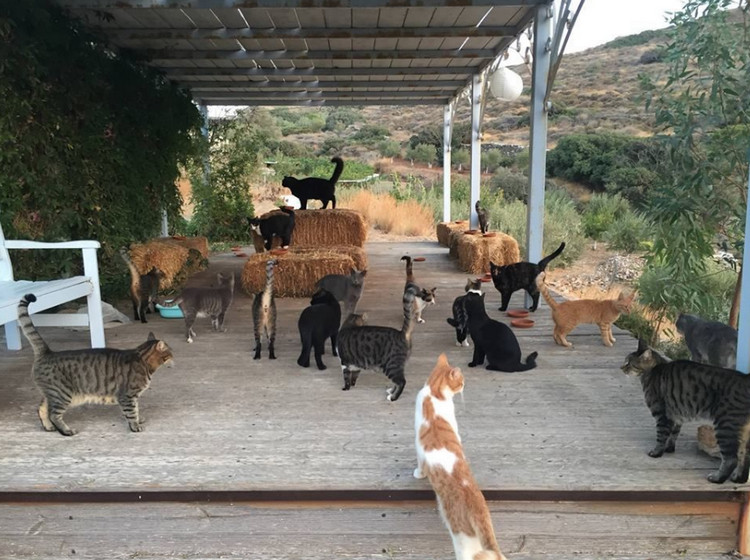
That is where volunteer-powered rescue work becomes important. Caring for cats on islands is a daily challenge. It includes providing food, clean water, shelter, and sterilization. Basic veterinary care is also important. When more people volunteer, we can help more cats. This means more cats can be treated, neutered, and adopted.
The Volunteer Deal—“Live for Free” (What You Get and What You Give)
The viral version of this story usually describes “free living on a Greek island if you take care of 55 cats.” That number became famous after a widely shared caretaker opportunity connected to a local rescue on Syros.
Today, the clearest way to understand the real offer is to look at how volunteer programs describe their support. For example, the Syros Cats volunteer page says that volunteers usually stay in shared housing. This means they have a private bedroom but share the kitchen and bathroom.
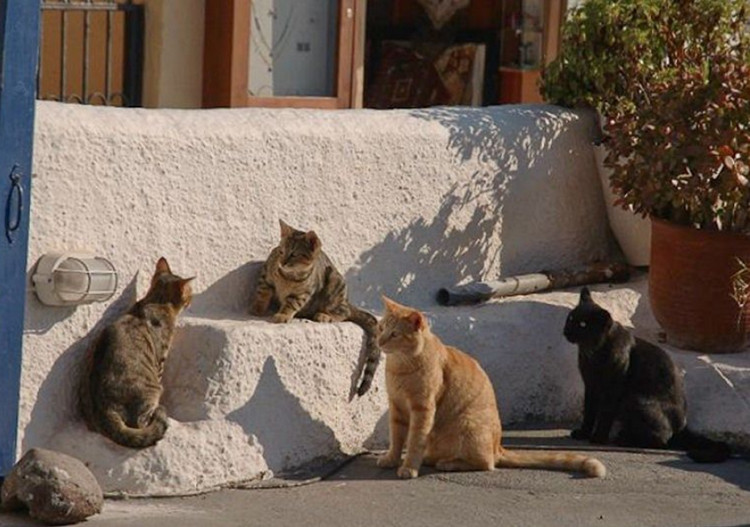
Some travel and community write-ups describe the arrangement as free housing. In some programs, this includes basics such as utilities and, sometimes, breakfast. In return, participants do hands-on work with rescued and street cats.
So what are you “paying” with, if not money?
-
Your time every day (often several hours).
-
Your reliability (animals must be cared for even when you are tired).
-
Your willingness to do routine work, not just cuddles and photos.
If you want a slow island life and you genuinely like animal care, that trade can feel more than fair. If you want a flexible vacation where you can come and go freely, this probably isn’t the right fit.
What You Actually Do Each Day (It’s More Than Feeding Cats)
Most rescues need the same core help, and Syros is no exception. Daily work typically includes feeding, cleaning, and basic care routines. The Syros Cats volunteer information also includes cleaning places for kittens and sick cats every day.

In simple, real-life terms, the work often looks like this:
Feeding and water rounds
You follow a set schedule and portions. Stray cats learn routines quickly, and late meals can lead to stress or fights.
Cleaning and hygiene
Cleaning bowls, litter areas, and indoor units (especially for kittens or recovering cats). This is essential for disease prevention.
Socializing cats (the “hidden” job)
Helping shy cats feel safe around people can be the difference between adoption and staying on the street. This takes patience.
Vet support (sometimes)
If a cat is sick or hurt, volunteers can help with transport or basic care.
This depends on the program and your experience. (You will not be expected to be a veterinarian, but you may be expected to follow instructions carefully.)
Living with cats
Some volunteer hosts say cats can move freely around living areas. You should be okay with sharing your day and sometimes your sleep with them. A good program will train you, give you clear rules, and match tasks to your abilities. But you should still expect responsibility. Animals do not understand “I’m not in the mood today.”
How to Apply (And How to Avoid Scams or Bad Fits)
If you are interested in this lifestyle, the best way to apply is through the official program channels. Be sure to read the requirements carefully.
A few practical steps:
-
Start with the rescue’s official volunteering page and enquiry form.
Syros Cats provides an enquiry form and asks applicants to describe timing and relevant experience. -
Confirm the housing setup.
Many placements are shared housing (private bedroom, shared common areas). Make sure that it works for you. -
Ask about the minimum stay and schedule.
Some opportunities require a longer commitment because training and continuity matter. Viral job-style posts in the past referenced multi-month commitments for caretaker roles. -
Clarify what is included.
“Free” can mean different things: accommodation only, or accommodation plus utilities, or accommodation plus some meals. Use the program’s wording and confirm before you arrive. -
Use reputable volunteer platforms if you go that route.
Listings on platforms like Workaway may include additional expectations (such as living closely with animals indoors). Read details and reviews carefully.
Who this is best for
-
People who genuinely enjoy routine animal care
-
Remote workers who want a calm base (and can manage time well)
-
Mature travelers who prefer meaningful, low-party travel
-
Anyone comfortable with cats, fur, smells, and occasional mess
Who should skip it
-
People who want full freedom every day
-
Light sleepers (cats can be active at night)
-
Anyone expecting luxury, silence, or a “pet café” vibe
-
People are uncomfortable with basic cleaning duties
A Final Reality Check (And Why It’s Still Worth It)
Yes, you can live on a Greek island and have a place to stay. You will help care for stray and rescued cats. Syros is one real example. But the best way to think about it is not “free living.” Think: a fair exchange.
You offer consistency, effort, and kindness.
In return, you get a place to stay, an island community around you, and the rare feeling that your days are directly improving lives. If you have ever wanted to travel simply and effectively, this is a great way to experience Greece.