Seville, the cultural heart of Andalusia, is one of Spain’s most enchanting cities. Its orange-scented streets, flamenco rhythms, historic palaces, and picture-perfect plazas attract millions of visitors every year. With tourism in Spain increasing rapidly, many travelers now ask the key question: Is Seville safe to visit in 2026?
Yes — Seville is safe for tourists in 2026. It is one of Spain’s safest major cities, with low violent crime, warm locals, walkable neighborhoods, and a strong police presence in tourist hotspots. The most significant risks involve pickpocketing, bag theft, metro theft, taxi overcharging, and nightlife incidents, but these are easy to avoid with basic awareness.
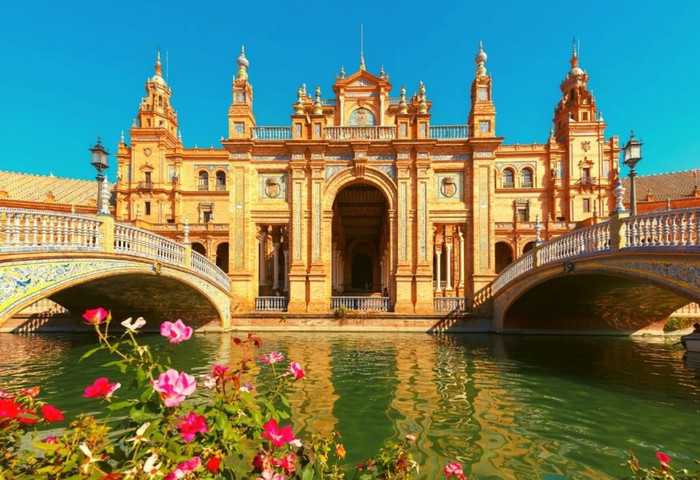
This updated guide gives you everything you need: a district-by-district safety breakdown, a text-based crime map, scams to avoid, night safety, solo female travel advice, public transport safety, and a whole “Is Seville safe RIGHT NOW?” section.
Is Seville Safe for Tourists in 2026?
Yes — Seville is safe for tourists in 2026. Violent crime is rare, and most issues are limited to petty theft in crowded zones. Compared to Barcelona, Madrid, or Valencia, Seville feels calmer, more traditional, and safer overall.
The main risks are pickpockets around the Cathedral, the Alcázar, the Triana Bridge, the Plaza de España, and busy tapas streets. These problems are common in many tourist cities and are easy to avoid.
Is Seville Safe RIGHT NOW? (2026 Update)
Yes — Seville is safe right now in 2026. All central tourism districts, including Santa Cruz, Triana, Arenal, and the city center, are operating normally. There are no active safety alerts affecting travelers.
Recent improvements (2025–2026):
- More police patrols in Santa Cruz and the Cathedral surroundings
- New CCTV cameras around Plaza de España and Maria Luisa Park
- Better lighting in Triana alleys and riverside areas
- Crackdown on illegal taxis and fraudulent tour guides
- Upgraded metro security during evening hours
Most Common Tourist Risks in Seville
1. Pickpocketing
The most frequent issues are around the Cathedral de Sevilla, the Giralda Tower, and the crowded Old Town streets.
2. Bag Theft
Occurs occasionally in outdoor cafés and busy tapas zones. Keep bags close.
3. Phone Snatching
Rare but possible if phones are left on tables near busy sidewalks.
4. Fake Ticket Sellers
Occasionally appear near the Alcázar or Cathedral. Only buy from official counters.
5. Taxi Overpricing
A minority of taxi drivers may inflate fares. Use ride apps or official ranks.
6. Nightlife Incidents
Mostly minor issues involving drunken tourists in Alfalfa or Alameda.

Is Seville Safe at Night?
Yes — Seville is safe at night, particularly in Arenal, Santa Cruz, Triana, Alameda, Centro, and Nervión. These areas stay active, well-lit, and full of nightlife until late.
The main risks at night are pickpockets, phone theft, and alcohol-related disputes in busy party zones.
- Centro: well-lit, safe, and full of nightlife
- Triana: vibrant and safe with a lively flamenco atmosphere
- Santa Cruz: historic and charming, but the narrow alleys can be quiet
- Arenal: very safe and upscale
- Alameda: lively nightlife hub; keep belongings secure
Is Seville Safe for Solo Female Travelers?
Yes — Seville is very safe for solo female travelers. Women walk alone comfortably in central districts, use public transport safely, and enjoy nightlife without major concerns.
- Stay in Santa Cruz, Arenal, Centro, or Triana for the best comfort
- Avoid deserted alleys in Santa Cruz after midnight
- Use ride apps late at night instead of random taxis
- Keep belongings close in busy nightlife streets
Seville consistently ranks among Spain’s safest cities for solo women.
Safest Areas to Stay in Seville
- Santa Cruz — historic, charming, extremely safe, and central.
- Arenal — elegant, upscale, and one of the safest neighborhoods.
- Nervión — modern, calm, and very safe, with large boulevards.
- Triana — lively, authentic, and safe day and night.
- Centro — tourist-friendly, well-lit, and safe 24/7.
- La Macarena — generally safe, especially near Alameda.
- Los Remedios — quiet, safe, and perfect for families.
Areas to Avoid in Seville (Especially at Night)
- Certain alleys in Santa Cruz late at night — quiet and empty.
- Backstreets near Alameda — lively but sometimes chaotic.
- Parts of Macarena — safe but not tourist-oriented.
- Isolated riverfront sections — safe but empty after dark.
- Some blocks of Triana away from the main streets — dimly lit.
Seville does not have dangerous districts — only areas that become calm or less busy late at night.
Seville Crime Map 2026 (Overview)
Safest districts include Santa Cruz, Arenal, Centro, Nervión, Triana, Los Remedios, and the central parts of Macarena. Medium-risk zones include certain nightlife blocks near Alameda, the backstreets of Triana, and the crowded Cathedral area. Higher petty theft risk occurs at Plaza Nueva, Giralda Tower, Alcázar queues, Alfalfa nightlife, and busy tram stops. Violent crime is extremely rare citywide.
Safety by District (2026 Breakdown)
Santa Cruz
Historic center, very safe, but the narrow alleys can be pretty late at night.
Arenal
Upscale, elegant, and extremely safe day and night.
Centro
Busy, well-lit, and considered one of Seville’s safest zones.
Triana
Lively, authentic, and safe; keep belongings close at bars.
Nervión
Modern, calm, and safe with wide streets and minimal crime.
Macarena
Generally safe, especially around the Alameda nightlife area.
Los Remedios
Quiet, residential, and one of the safest districts in Seville.
Alameda de Hércules
Central nightlife hub, safe but crowded on weekends.
Isla de la Cartuja
Safe with cultural venues, but quiet at night.
Is Public Transportation Safe in Seville?
Metro
Safe and reliable, with occasional pickpockets in crowded carriages.
Trams
Very safe, especially in central tourist zones.
Buses
Safe, frequent, and widely used by locals.
Taxi
Generally safe, but always check the meter or prefer ride apps.
Ride Apps
Very safe and the best option late at night.
Trains
Safe for day trips to Córdoba, Cádiz, and Málaga.
Walking
Seville is highly walkable and safe, with broad pedestrian zones and well-lit streets.
Is Seville transport safe? Yes — especially trams, metro, buses, and ride apps.
Is Seville Safe for Families?
Yes — Seville is extremely family-friendly. Beautiful parks, pedestrian areas, cultural attractions, and relaxed streets make it ideal for families.
- Maria Luisa Park is very safe for children
- Nervión and Los Remedios are top choices for families
- The tram is easy and safe with kids
Is Seville Safe for Digital Nomads?
Yes — Seville is becoming a rising digital nomad destination. Safe districts, affordable living, and reliable internet attract remote workers.
Nomads prefer Santa Cruz, Triana, Centro, and Arenal.
Scams in Seville (2026 Updated List)
1. Restaurant Overcharging
Some tourist restaurants add hidden “cover charges.” Check menus carefully.
2. Fake Tour Guides
Only book tours through verified companies.
3. Metro Pickpockets
Stay alert during rush hours and near popular stops.
4. Taxi Meter Tricks
Rare but possible. Prefer ride apps or request a metered fare.
5. Bracelet Scam
Avoid people offering “free” bracelets; they demand payment afterward.
6. Overpriced Flamenco Shows
Research before booking; avoid street vendors selling tickets at inflated prices.
Seville Safety Questions
Is Seville safe right now?
Yes — all central districts are safe, stable, and tourist-friendly in 2026.
Is Seville safe at night?
Yes — central and riverside districts remain active and well-lit.
Is Seville safe for Americans?
Yes — Americans report very positive safety experiences.
Is Seville safe for solo female travelers?
Yes, among Spain’s safest cities for women traveling alone.
Is Seville safe for families?
Yes — family-oriented parks and plazas make it ideal for kids.
Is Seville safe to visit in 2026 for digital nomads?
Yes — relaxed vibe and low crime attract remote workers.
Is Seville safe to walk around?
Yes — historic center and riverfront areas are walkable and safe.
Is Seville safer than Barcelona?
Yes — significantly lower pickpocket rates.
Is Seville safe during festivals?
Yes — strong police presence, but watch valuables in crowds.
Is Seville safe for elderly travelers?
Yes — calm neighborhoods and accessible streets.
Final Verdict — Is Seville Safe to Visit in 2026?
Yes — Seville is safe to visit in 2026. With low violent crime, friendly locals, strong police presence, and walkable districts, Seville is one of Spain’s safest destinations. Petty theft exists in crowded tourist areas, but can be prevented with simple precautions. From the majestic Alcázar to the Plaza de España, the riverbank cafés of Triana, and the charming streets of Santa Cruz, Seville offers a safe, vibrant, and unforgettable travel experience in 2026.
FAQs
Is Seville safe for tourists?
Yes — Seville is very safe with low crime rates and friendly locals.
Is Seville safe at night?
Yes — central nightlife areas and main streets are well-lit and active.
Is Seville safe for solo female travelers?
Yes — one of Spain’s safest cities for women traveling alone.
Is Seville safe right now?
Yes — 2026 conditions indicate stable, secure tourism across districts.