Dreaming of waking up in Rome, stepping out your door, and walking to a charming café for a cappuccino? That perfect morning depends on one key decision:
The neighborhood you choose as your home base. Many travelers focus on the hotel, but the area really defines your Roman holiday. It decides whether your nights are quiet or lively and whether ancient ruins are nearby.
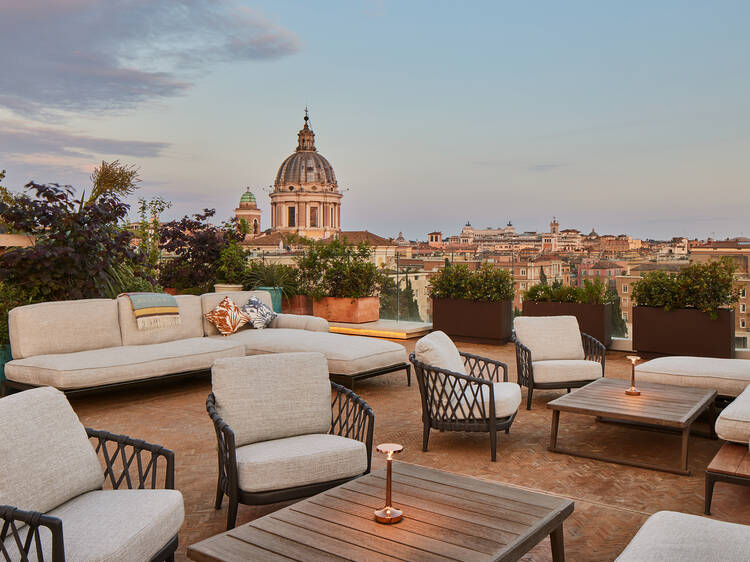

Where to Stay in Rome: Top Areas & Best Hotels
Rome’s neighborhoods have unique personalities. One is a sophisticated art lover, while another is a bohemian foodie who comes alive after dark.
This guide is a simple matching tool to help you find the neighborhood that perfectly fits your travel style. You will learn how to avoid the common mistake of picking the wrong area. You will feel sure you made the right choice for your trip.
Your Rome Neighborhood Cheat Sheet:
Find Your Match in 60 Seconds
Choosing the best area to stay in Rome boils down to matching a neighborhood’s personality to your travel style. For most visitors, the perfect home base is one of just five key areas. Use this quick guide to instantly discover which part of the city is right for you.
- Centro Storico (Historic Center): Best for first-timers who want to walk everywhere.
- Vibe: Historic & bustling.
- Trastevere: Best for foodies & nightlife seekers.
- Vibe: Bohemian & lively.
- Monti: Best for boutique charm & unique shops.
- Vibe: Hip & village-like.
- Prati: Best for families & shoppers seeking an elegant, quieter stay.
- Vibe: Orderly & upscale.
- Termini: Best for budget travelers & day-trippers needing easy train access.
- Vibe: Convenient & chaotic.
Chances are, one of those descriptions immediately stood out. Now, let’s explore the top choice for most first-time visitors: the Centro Storico.
Stay in the Centro Storico: The Heart of Ancient Rome
For most first-time visitors, the Centro Storico is, without a doubt, the best area to stay in Rome. This is the old, lively center of the city. You can leave your hotel and reach the Pantheon in two minutes or the Trevi Fountain in five.
The many landmarks make this the most walkable neighborhood in Rome. You can find historic wonders without needing a bus or metro. You’ll save hours of travel time that can be better spent with a gelato in hand.
That unparalleled convenience does come with a trade-off. Because you’re at the epicenter of everything, you’ll be sharing the cobblestone streets with significant crowds, day and night. This prime real estate also means you can expect to pay a premium for accommodation. It’s the classic choice of convenience over cost.
The secret to balancing the buzz with a good night’s sleep is to look just off the main squares. Many charming boutique hotels in Centro Storico are hidden on quiet, ivy-covered side streets. They are just a block or two from the main roads.
Booking a room in a smaller alley rather than right on Piazza Navona makes a big difference in noise levels. You will still be just steps away from the action.
If you want to see the main ancient sights and enjoy history, the Centro Storico is the right place for you. If you picture Rome as a place to enjoy dinner in a relaxed setting, you’ll find your happy spot just across the river.


Trastevere: Rome’s Most Charming Neighborhood for Food and Nightlife
Just across the Tiber River is Trastevere. This neighborhood feels like a charming village in the busy capital. During the day, the narrow cobblestone streets covered in ivy are quiet. They are great for walks and enjoying the bohemian vibe.
This is the Rome you see in postcards—laundry hanging from windows, hidden courtyards, and artisan shops. For travelers seeking atmosphere over ancient monuments, Trastevere offers an undeniable charm.
As the sun sets, the area undergoes a complete transformation. Trastevere is known as one of Rome’s best neighborhoods for nightlife. It is famous not for nightclubs, but for its amazing dining options. The quiet alleys become lively.
Many trattorias are set up. These are casual, traditional restaurants. They serve authentic Roman food. Tables are placed on the cobblestones. If your ideal evening involves a fantastic plate of carbonara followed by a moonlit walk, this is your paradise.
This bohemian energy comes with two key trade-offs. First, the vibrant nightlife can be noisy, with noise lasting late into the evening. Second, the neighborhood lacks a convenient Metro station, making it less connected than other central areas.
You can walk to the Historic Center in about 20 to 25 minutes. However, reaching the Vatican or Colosseum will take longer. You may need to walk more or take a tram.
Trastevere is the perfect spot for foodies, couples, and return visitors who prioritize vibe and dining above all else. For a village-like charm and a better location, Rome has another gem for you. It is closer to ancient sites and has better transport links.

Monti: The Hip, Village-Like Alternative to the Historic Center
Tucked behind the Roman Forum, Monti has the same village-like charm as Trastevere but with a distinctly cool, urban edge. Think of it as the Historic Center’s artsy younger sibling. Its sloping streets are a goldmine for shoppers.
You can find independent boutiques, vintage clothing stores, and artisan workshops instead of typical souvenir stands. If you prefer finding a unique handmade bag to visiting monuments, Monti’s creative vibe will feel like home.
The neighborhood’s biggest advantage is its unbeatable location. It sits in the very heart of ancient Rome, so close that some streets offer jaw-dropping views right down into the Roman Forum. The Colosseum is very close. It’s just a five-minute walk from your hotel. Unlike Trastevere, Monti has its own metro stop called Cavour. This makes it easy to reach Termini Station and other parts of the city.
When it comes to nightlife, Monti offers a stylish alternative to Trastevere’s bustling dinner scene. Its evenings are centered around the Piazza della Madonna dei Monti, where locals gather for a drink. The area is famous for its cozy wine bars and trendy cocktail spots. This makes it great for a classy pre-dinner drink. If you want a calm, family-friendly place rather than a trendy vibe, go across the river. There is an area right next to the Vatican.
Prati: Rome’s Most Elegant and Family-Friendly Neighborhood
Prati is just north of Vatican City. It has wide, tree-lined streets instead of narrow alleys. The area features grand 19th-century apartment buildings.
Prati has clean streets and wide sidewalks, which is rare in Rome. This makes it a great choice for families or anyone looking for a quieter place. It feels less like a tourist zone and more like an upscale residential part of the city.
Prati’s biggest draw is its front-door access to the Vatican. If visiting St. Peter’s Basilica or the Vatican Museums is your top priority, staying here is a game-changer. You can wake up and walk over in minutes, easily beating the massive crowds on the tour buses. This proximity turns a potentially stressful excursion into a pleasant morning stroll.
Beyond the Vatican, Prati reveals its identity as a major shopping hub for local Romans. Streets like the famous Via Cola di Rienzo are home to many high-end fashion stores and popular Italian brands. They attract people who enjoy shopping, especially locals.
The neighborhood’s great restaurants and cafes are busy with locals, not just tourists. This gives you a true taste of modern Roman life.
You won’t find old ruins here, but Prati is easy to reach by Metro Line A. This subway line goes straight to the Spanish Steps and Termini, Rome’s main train station. This connection often leads travelers to wonder if they should just stay near the transport hub itself.

The Termini Station Dilemma: Pros and Cons of a Transport Hub Stay
The area around Termini Station, Rome’s main train and metro hub, is undeniably tempting. Hotels here are often significantly cheaper, and the convenience is unmatched. With direct trains from the airport and both metro lines at your doorstep, it offers some of the best transport links in the city. If your primary goal is an affordable, functional base for day trips, Termini checks the boxes.
However, this convenience comes with a trade-off in atmosphere. Instead of charming piazzas, you’ll find a chaotic, gritty, and noisy environment. While not inherently dangerous, it is like any major European train station and requires greater awareness, particularly after dark. For travelers dreaming of romantic evening strolls, Termini can feel like a jarring disappointment.
Termini is a practical choice for budget-conscious travelers or those planning several day trips out of Rome. In contrast, first-time visitors, couples seeking romance, or families with young children will almost certainly find a more magical experience in a neighborhood like Prati or Trastevere. If you think the savings are worth it, here’s a key tip.
Avoid hotels that face the station’s main entrance. Instead, look for places on the quieter side streets near the nicer Monti neighborhood.
Deciding Between Monti and Prati: A Head-to-Head Comparison
Choosing between the cobblestone alleys of Monti and the elegant streets of Prati is a nice problem. Both areas are great places to explore Rome.
While both offer a more authentic feel than staying next to a major landmark, their personalities are worlds apart. Do you want artsy or elegant?
To simplify your decision, let’s break down the core differences:
- Vibe: Monti is bohemian and historic; Prati is polished and orderly.
- Main Sights: Monti is near the Colosseum and the Roman Forum. Prati leads to the Vatican and St. Peter’s Basilica.
- Feel: Monti feels like a hidden urban village; Prati feels like a grand, planned residential district.
Ultimately, your choice depends on which version of Rome you want to wake up to. If you dream of ancient ruins and quirky artisan boutiques, pick Monti. If you prefer peaceful evenings, high-end shopping, and a quieter atmosphere, then Prati is your answer.
How to Book Your Stay: 3 Key Tips Before You Confirm
Now that you’ve zeroed in on your perfect Roman neighborhood, the final step is booking. A few local details are worth knowing to save you money and headaches.
One common surprise is the Rome City Tax, or Tassa di Soggiorno. This is a small nightly fee for each person. It usually costs between €4 and €7. This fee is almost never included in the price of your online booking. It must be paid directly to your hotel or host, often in cash at check-in. Having some euros ready will prevent an awkward start to your stay.
For the best selection, aim to book your stay 3-6 months in advance.
When scrolling through property reviews, look past general praise and search for keywords. Specifically, check for mentions of “noise”—a common issue in bustling areas—and “air conditioning.” A reliable A/C unit isn’t always standard.
These insider Rome travel tips turn your last step from a guess into a smart choice. This way, your home base will be both comfortable and memorable.
Your Rome Accommodation Action Plan
Choosing where to stay in Rome no longer needs to be a source of stress. You can now see the city as a collection of neighborhoods with distinct personalities. If you are a first-timer going to the historic Centro Storico. You might be a foodie excited for Trastevere. Maybe you are a charm-seeker heading to Monti. Or perhaps you want the quiet elegance of Prati. You’re officially ready to find your perfect home base.
Here is your simple, 3-step plan to book with confidence:
- Define Your #1 Priority: Decide what matters most for your trip—walking to ancient sights, a vibrant nightlife, or a quiet night’s sleep.
- Match It to a Neighborhood: Use your top priority to select the one neighborhood that feels like the perfect fit for your travel style.
- Book Your Spot: With your neighborhood chosen, book your accommodation. Be sure to use our travel tips and check recent reviews for the latest guest experiences.
Now that the biggest decision is made, you can focus on what really matters. Will you have cacio e pepe or carbonara for dinner? Your unforgettable trip is just a click away.