
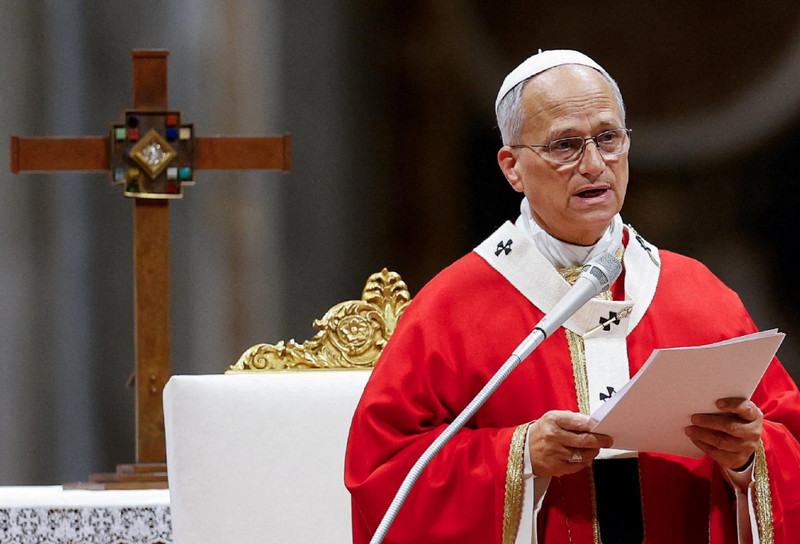
He Is the First Pope from the United States
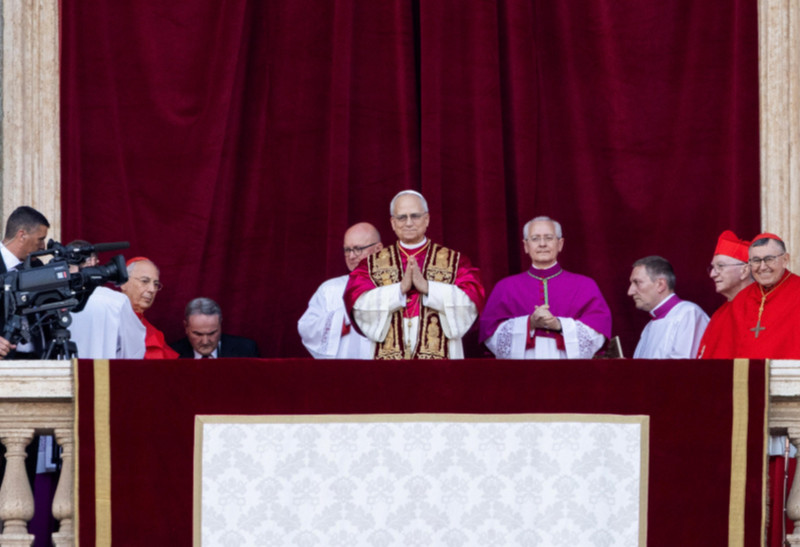
Born in Chicago on September 14, 1955, he grew up in nearby Dolton with two older brothers. His election brought a familiar American accent to a role shaped by centuries of history, while his background reached far beyond his birthplace.

He Has a Mathematics Degree
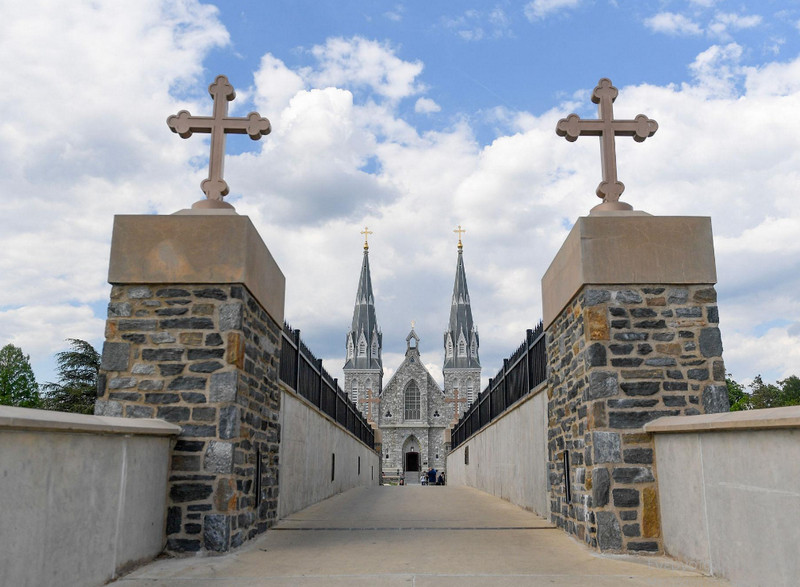
This combination may surprise readers who expect a future pope to study only religious subjects. His university years show that his education included both numbers and big questions about life, knowledge, and how people understand the world around them.

Peru Became His Second Home
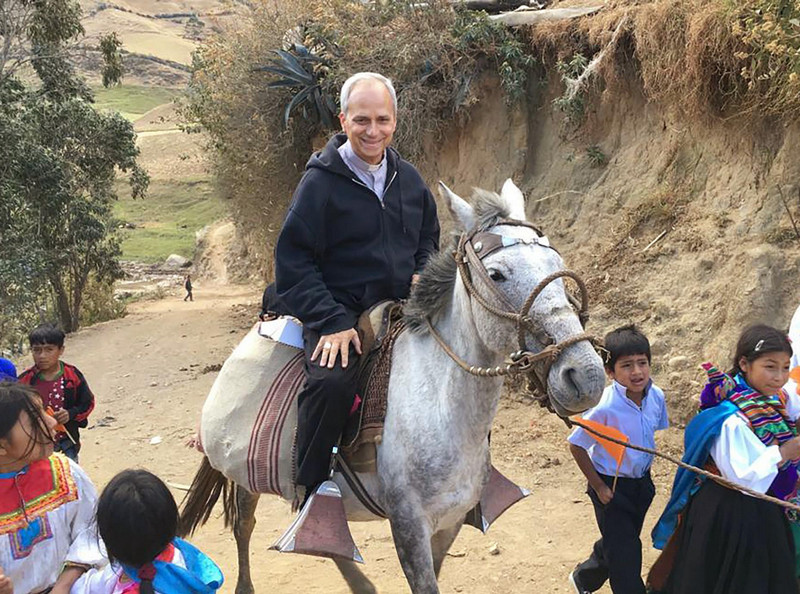

He began his connection with Peru through missionary work in 1985. He later returned to serve in Trujillo and eventually became Bishop of Chiclayo.
In 2015, he received Peruvian citizenship. Peru was therefore much more than a place he visited. It became a second home, where he worked in parishes, taught future priests, and built lasting connections with local communities over many years.
He Is the First Augustinian Pope
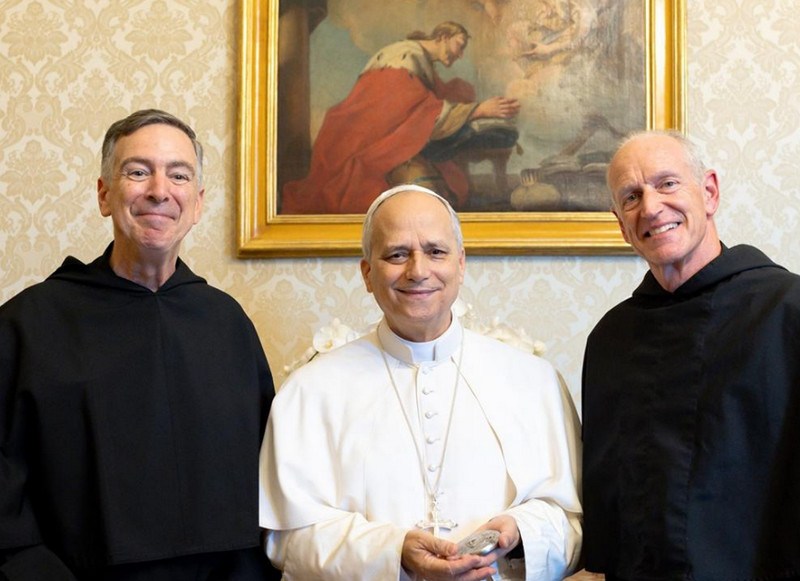

Pope Leo XIV is the first pope from the Order of Saint Augustine. This religious community values prayer, learning, service, and life together.
He entered its training program in 1977 and later led the worldwide order. Understanding this background helps explain why unity and community appear so often in his words. His religious identity developed long before he stepped onto the Vatican balcony.
He Enjoys Tennis
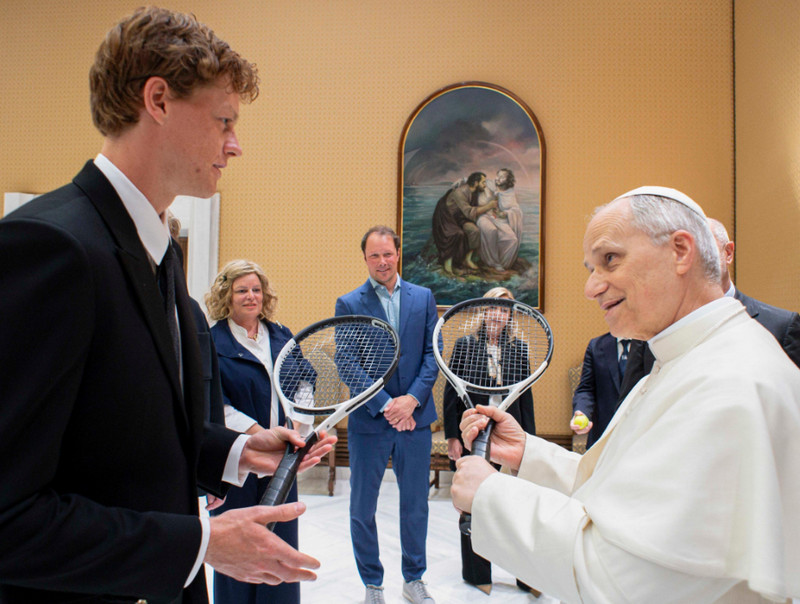
In May 2025, he met Italian tennis champion Jannik Sinner at the Vatican. A shared interest in the sport brought together two very different public figures.

He Supports the Chicago White Sox
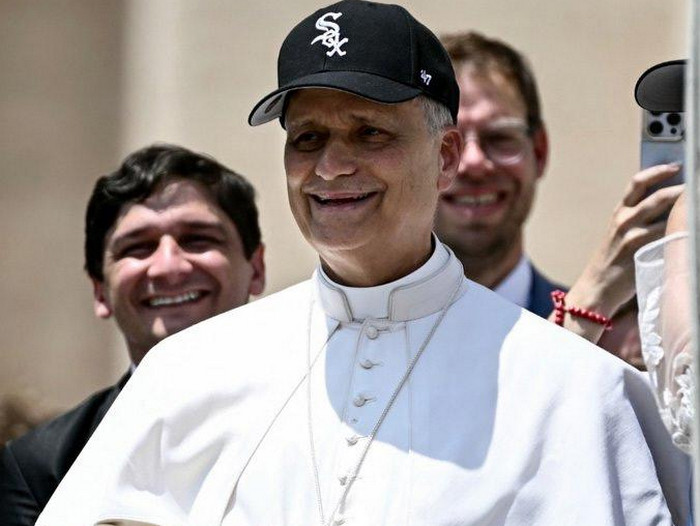
His brother helped confirm his loyalty after the papal election. For sports lovers, this detail makes the pope feel more familiar: even someone with worldwide responsibilities can have a favorite team and a personal connection to hometown traditions.

His Name Looks Toward Modern Challenges
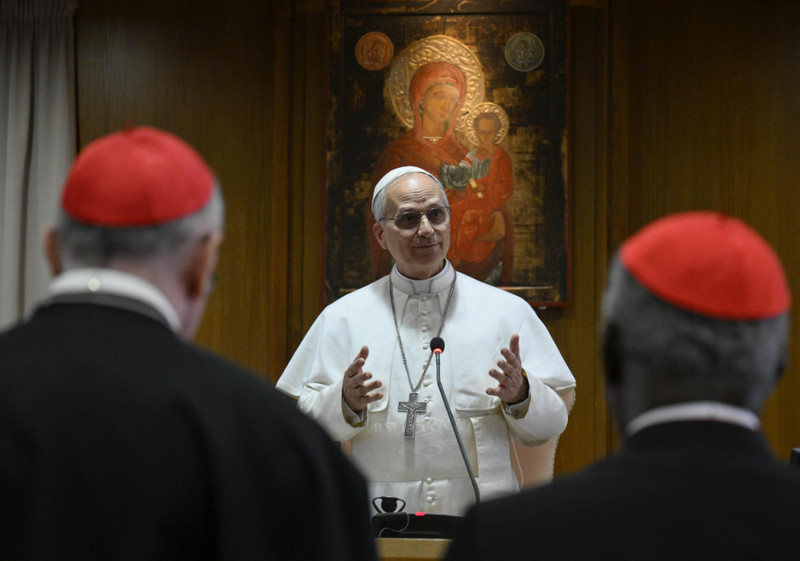
Pope Leo XIV sees new challenges today, including artificial intelligence. His name therefore connects an earlier period of change with modern questions about work, fairness, and human dignity.
