The United States has one of the world’s most famous fast-food cultures. Burgers, fried chicken, pizza, fries, sugary drinks, and ultra-processed snacks are widely available.
Portions can also be very large. Although millions of Americans follow healthy diets and have access to enormous food variety, obesity remains widespread. The combination of high-calorie foods and sedentary lifestyles has contributed to major health problems.
Kuwait
Kuwait has one of the highest obesity rates in the Middle East. Modern lifestyles, car dependence, limited everyday physical activity, and easy access to high-calorie food are important health concerns.
Fast-food chains are extremely popular, while sugary drinks, large meals, and processed foods can add significant calories to everyday diets. Obesity increases the risk of diabetes, heart disease, and other chronic illnesses.
Bahamas
The Bahamas may look like a tropical paradise, but the country faces a serious obesity problem.
Imported processed foods are widely available, while healthier fresh products can sometimes be more expensive. Fried foods, sweet drinks, snacks, and calorie-heavy meals are also common parts of the modern food environment. Around four in ten adults are estimated to have obesity.
Kiribati
Kiribati’s remote location creates a unique food problem. Growing enough fresh produce locally can be difficult, making the country heavily dependent on imported food.
Rice, canned meat, processed products, sugary drinks, and packaged foods can therefore form a significant part of everyday diets. Obesity has consequently become an important public-health challenge.
Micronesia
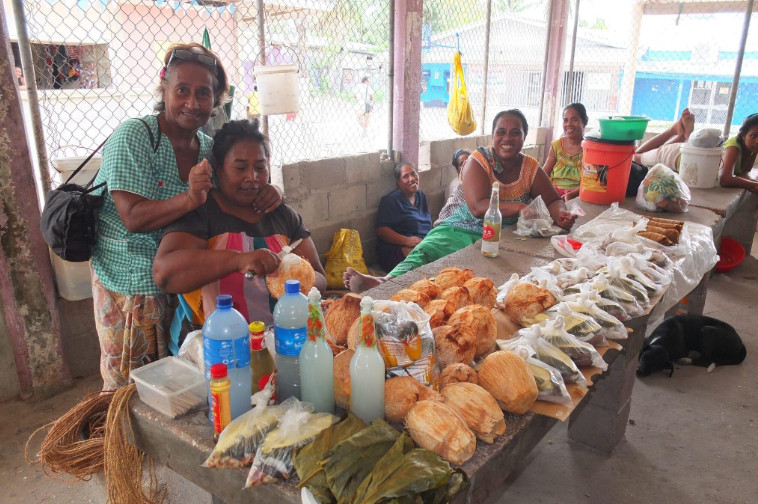
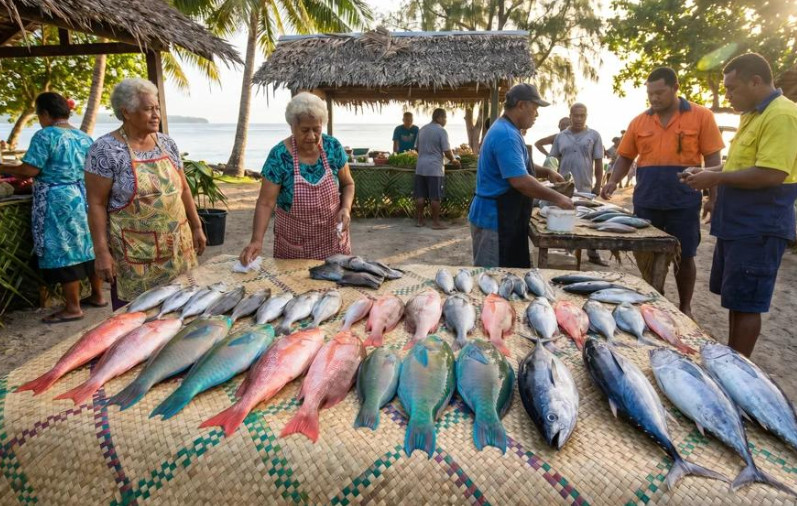
Traditional diets in Micronesia once relied heavily on fish, coconut, breadfruit, taro, and other local foods.
Today, imported processed products have become much more important. Canned meat, instant noodles, refined carbohydrates, sugary drinks, and packaged snacks can be easier to obtain than healthier alternatives. Adult obesity rates are consequently among the highest in the world.
Samoa
Samoa faces an enormous obesity challenge. Traditional Pacific diets have increasingly mixed with imported processed foods that are often high in fat, salt, and sugar.
Sugary drinks and energy-dense foods can add many calories without providing the nutritional benefits of vegetables, fruit, fish, and other less-processed foods. More than half of adults are estimated to have obesity.
Tuvalu
Tiny Tuvalu has very little land available for large-scale agriculture. As a result, imported food plays an important role.
Processed meat, refined carbohydrates, sweet drinks, and packaged products can be easier to store and transport than fresh produce. This changing food environment has contributed to extremely high obesity levels.
Cook Islands
The Cook Islands have some of the highest obesity levels recorded anywhere. Imported foods and modern eating habits have increasingly replaced parts of the traditional Pacific diet.
High-calorie processed foods, sugary drinks, and reduced physical activity create a difficult combination. Obesity and related diseases such as type 2 diabetes have become major public-health concerns.
Tonga
Tonga has an extraordinary obesity problem, with a large majority of adults estimated to be obese. Food habits have changed significantly over generations.
Imported fatty meats, processed products, sugary drinks, and calorie-dense foods have become more common. Combined with lower levels of physical activity, these dietary changes have contributed to extremely high rates of obesity and related chronic diseases.
Nauru
Nauru takes the number-one position among our Unhealthiest Countries because of its extraordinarily high adult obesity prevalence.
The small Pacific island has experienced enormous changes in diet and lifestyle. Traditional foods were increasingly replaced by imported products, including processed meats, refined carbohydrates, packaged snacks, and sugary drinks.
Fresh produce can also be difficult and expensive to obtain because of the island’s geography and limited agricultural capacity. Today, roughly seven in ten adults are estimated to have obesity.