Top 10 Immigration Policies Around the World That Spark Debate
Dimitris Gr
United States: Expedited Removal
The United States uses expedited removal to deport certain people without a full immigration court hearing.
The process includes rules for referring people who express fear of persecution for screening. Its central debate concerns speed and fairness: can officials enforce immigration rules quickly while giving people enough opportunity to explain their circumstances?
European Union: Sharing Asylum Responsibilities
The European Union’s migration and asylum pact began applying in June 2026.
It combines border procedures with a system for sharing responsibility among member countries. Countries can provide different forms of support. The debate centers on whether faster processing and shared responsibility can improve management while protecting each person’s right to seek asylum.
United Kingdom: Language and Settlement Reforms
Britain’s immigration reforms include stricter language expectations, while its white paper proposed a longer standard route to permanent settlement.
Proposals should not be confused with rules already operating. Language skills can support daily life and employment. The debate asks how demanding requirements should be and how changes should affect people already building lives there.
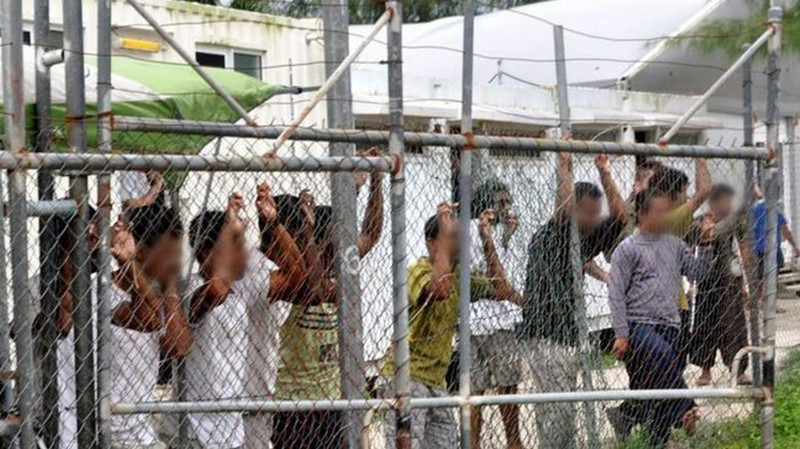
Australia: Offshore Asylum Processing
Australia returns some people arriving by boat without valid visas or transfers them to a regional processing country.
The government says this discourages dangerous journeys and people smuggling. Human Rights Watch reports serious harm under offshore detention. The debate asks whether preventing risky crossings can justify sending people seeking protection away from Australia.
Canada: Lower Immigration Targets
Canada’s 2026–2028 plan reduces targets for new temporary residents and stabilizes permanent resident admissions.
The government links its approach to housing, healthcare, and labor needs. The difficult question is how to balance population growth with available services while still welcoming workers, students, and families who contribute to the country’s future.
Germany: The Opportunity Card
Germany’s Opportunity Card allows eligible people from outside the EU to enter and look for work.
Applicants qualify through recognized qualifications or a points system, and must support themselves financially. It offers a legal route for talent. However, its requirements raise questions about who can afford access and whether qualifications translate into suitable jobs.
Japan: Worker Visas and Family Restrictions
Japan’s Specified Skilled Worker program helps employers recruit staff from overseas.
Under its first category, workers generally have a five-year limit and cannot bring family members. The second category allows longer stays and family accompaniment. This creates a clear debate: how can countries fill labor shortages while supporting workers’ family lives and long-term stability?
Singapore: Foreign Worker Quotas
Singapore limits how many foreign workers companies can employ in certain sectors and charges employers monthly levies.
These controls regulate recruitment alongside the local workforce. The key question is balance. How can a country support opportunities for residents while allowing businesses to hire enough staff and ensuring that migrant workers receive fair treatment?
United Arab Emirates: Golden Visas
The United Arab Emirates offers renewable Golden Visas for eligible investors, entrepreneurs, talented professionals, and other categories, valid for five or ten years.
Holders do not need a sponsor. The program creates opportunities beyond short employment contracts. It also raises a fairness question: should long-term residence depend heavily on money, qualifications, or exceptional achievements?
Brazil: Voluntary Relocation for Venezuelans
Brazil’s Operation Acolhida supports Venezuelan migrants and refugees with reception services and voluntary relocation to other Brazilian cities.
Relocation can connect people with relatives, support networks, or employment opportunities. Policy questions focus on practical delivery: how can national and local authorities share costs, provide reliable support, and help newcomers settle alongside existing communities?