FRANCE
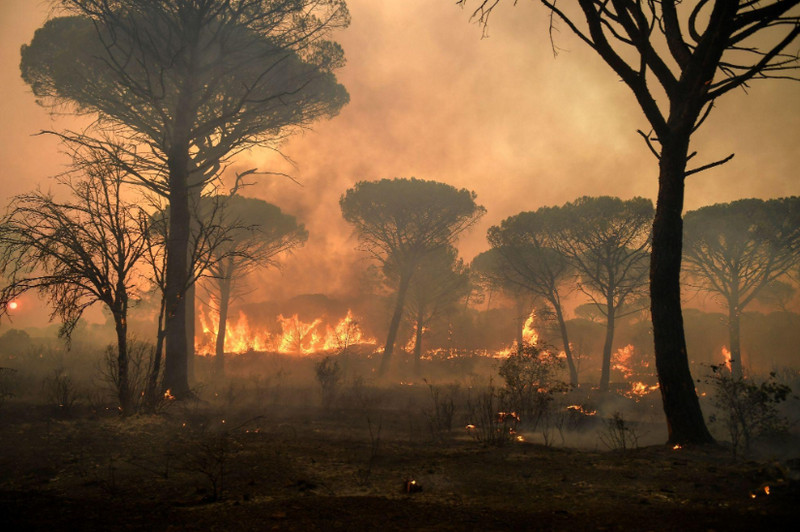
Dry vegetation, strong winds, and high temperatures allow fires to spread quickly. Firefighters respond rapidly each year, but thousands of hectares of forest can still be lost during severe fire seasons.

PORTUGAL
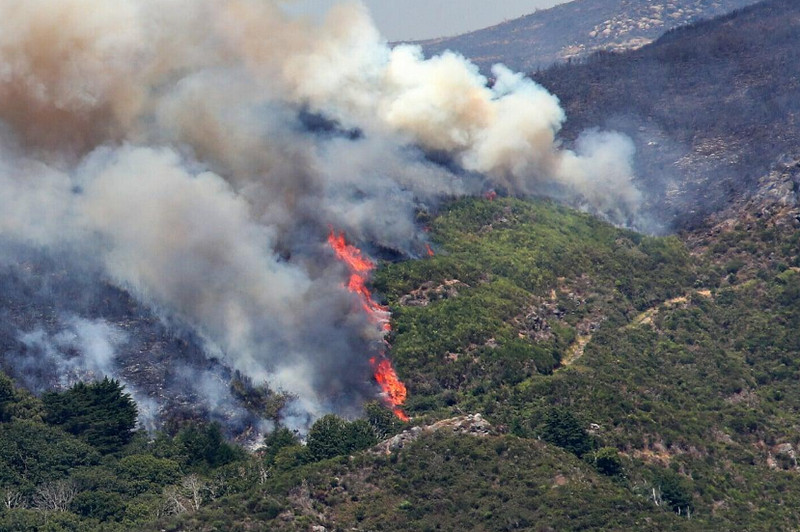
Portugal has suffered several devastating wildfire seasons over the past two decades. Long dry summers and eucalyptus forests create ideal conditions for large fires. Rural villages and natural parks are particularly vulnerable, and authorities regularly issue fire warnings during the hottest months.
GREECE
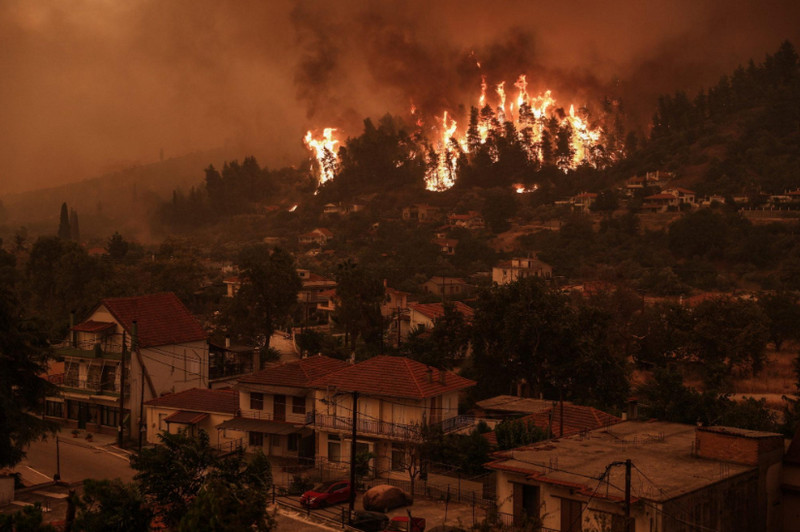
Areas near Athens, the Peloponnese, Crete, Rhodes, and other regions have experienced destructive fires in recent years. During periods of extreme heat, authorities may close forests and hiking trails to reduce the risk.
SPAIN
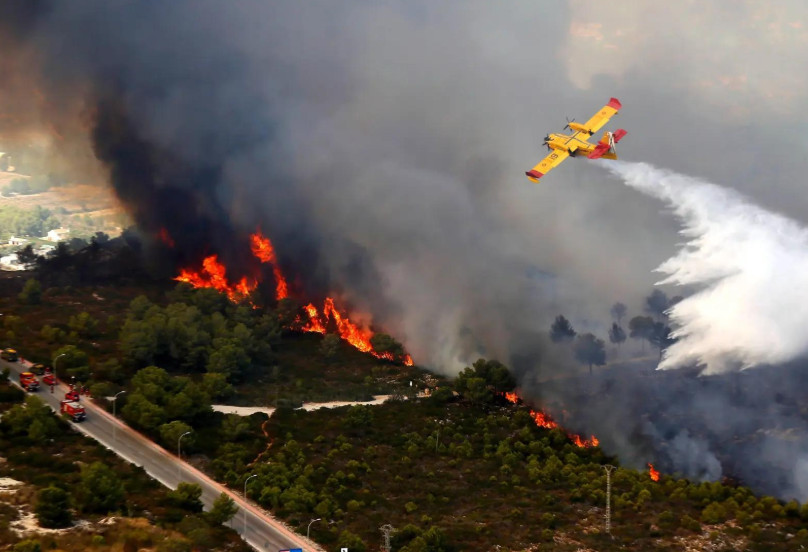
Spain regularly faces large wildfires during its long, hot summers. Forests in Catalonia, Andalusia, Galicia, and the Canary Islands can become extremely dry, allowing fires to spread rapidly. Heatwaves and strong winds often make firefighting more difficult, especially in remote mountainous areas.

ITALY
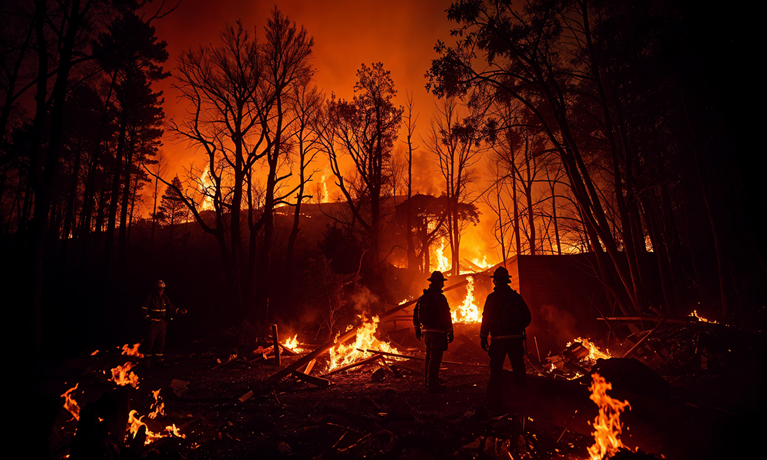
Hot weather, dry vegetation, and seasonal winds create dangerous conditions. Some fires start naturally, while others are caused by human activity. National and regional fire services work continuously to protect homes, forests, and historic sites.

AUSTRALIA
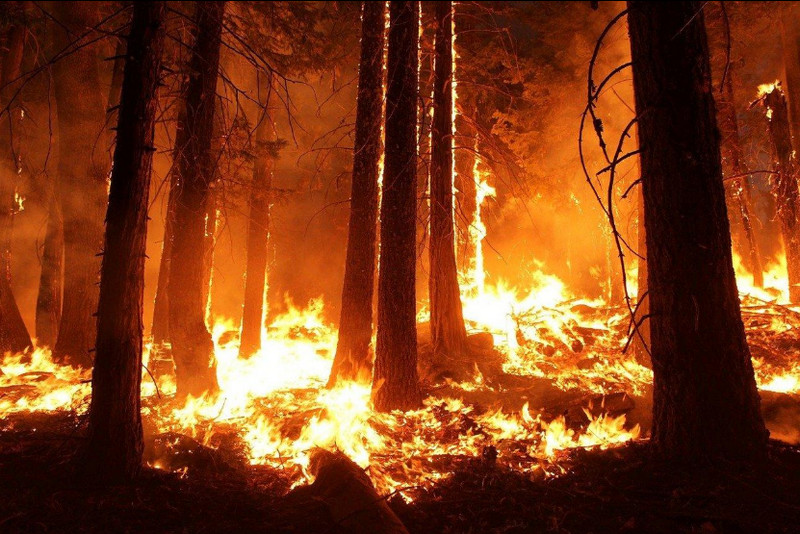
High temperatures, prolonged droughts, and strong winds can produce massive fires that burn for weeks or even months. The 2019–2020 “Black Summer” demonstrated how quickly fires can spread across vast areas, affecting wildlife, homes, and entire communities.

UNITED STATES
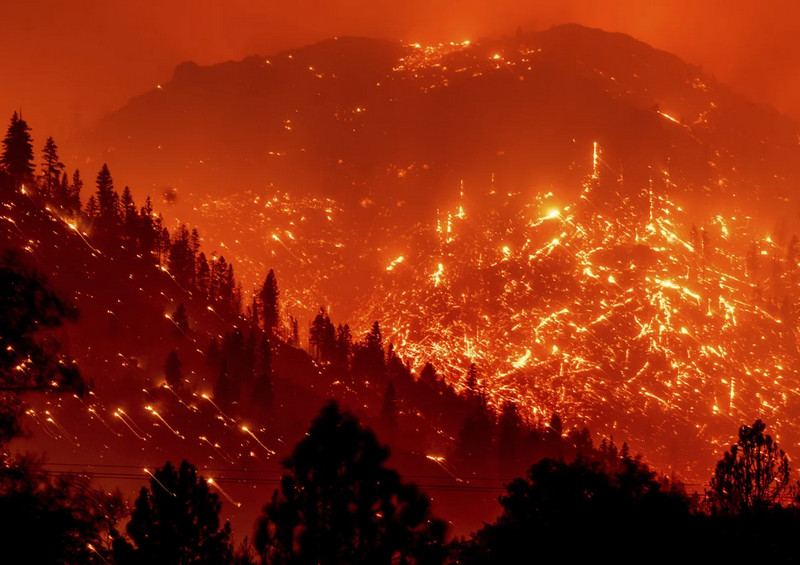
Long droughts, dry forests, lightning, and strong winds contribute to massive wildfires that can destroy thousands of homes and force large-scale evacuations. National parks and popular tourist destinations are sometimes temporarily closed due to wildfire risk.
