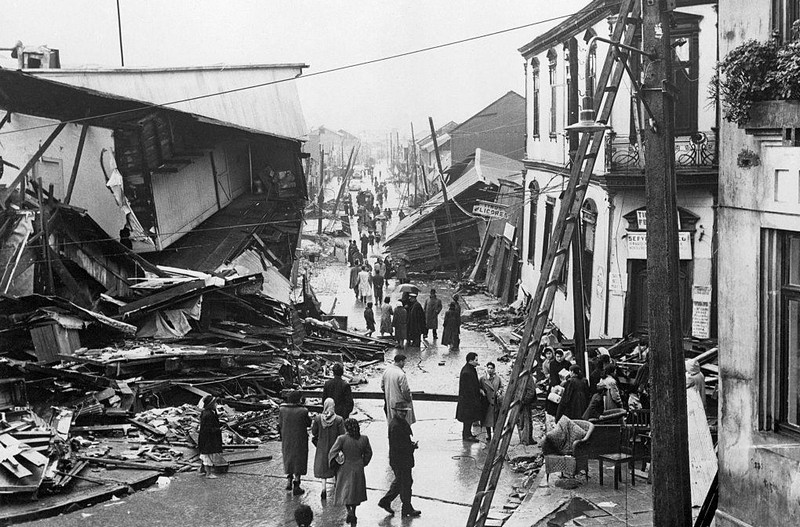
On August 15, 1950, a magnitude 8.6 earthquake struck the border region between Tibet and India.
Powerful shaking triggered massive landslides, cracked the ground, and sent sand flying upward. Mountain communities faced destruction in a difficult landscape. This disaster shows that the biggest earthquakes can happen inland, far away from an ocean or coastline.
Rat Islands, Alaska, 1965 — Magnitude 8.7
A magnitude 8.7 earthquake struck Alaska’s remote Rat Islands on February 4, 1965, using the UTC date. It generated a tsunami with reported heights of about 35 feet.
Its distant location helped limit human exposure. However, the event demonstrated how an earthquake near isolated islands can still create dangerous waves beyond the shaking zone.
Ecuador–Colombia, 1906 — Magnitude 8.8
[On January 31, 1906, a magnitude 8.8 earthquake struck offshore near Ecuador and Colombia. A destructive tsunami followed, devastating coastal communities.
Waves reached far across the Pacific, including the coast near San Francisco. This earthquake remains a powerful example of how an underwater rupture can threaten people living far from its source.
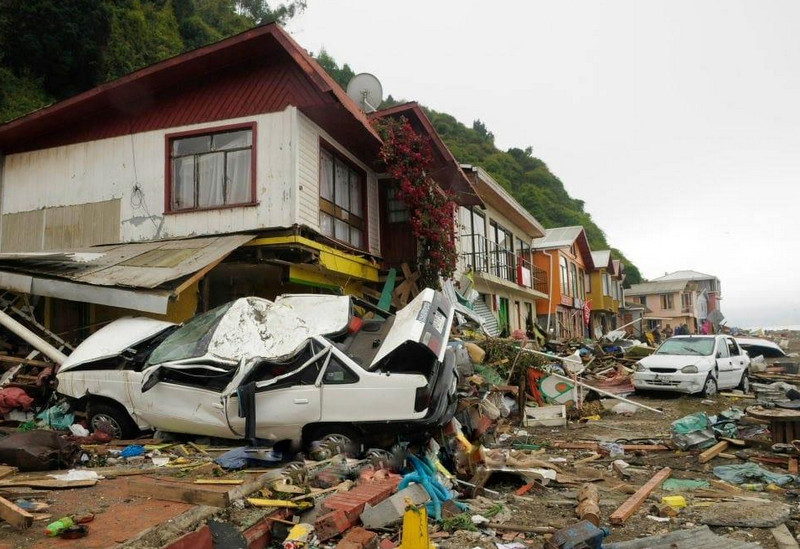
Maule, Chile, 2010 — Magnitude 8.8
Chile experienced another enormous earthquake on February 27, 2010. The magnitude 8.8 Maule earthquake broke a long section of the boundary between two moving plates.
As the seabed shifted, it generated a tsunami. Communities faced both violent shaking and coastal flooding, showing why earthquake planning must also consider the sea and its dangerous waves.
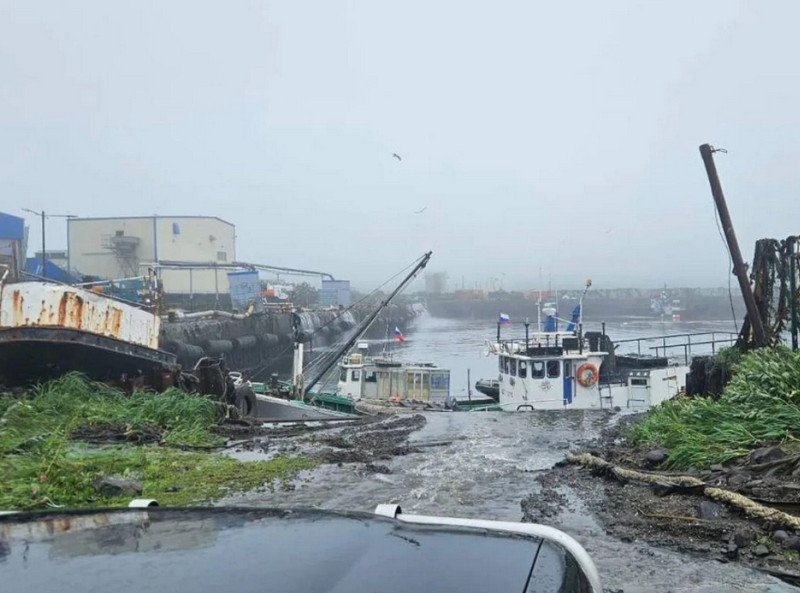
Kamchatka, Russia, 2025 — Magnitude 8.8
On July 30, 2025, local time, a magnitude 8.8 earthquake struck offshore from Russia’s Kamchatka Peninsula. It happened on July 29 in UTC.
The event triggered tsunami watches and warnings across the Pacific. Its addition changed familiar earthquake rankings, placing this modern disaster alongside the massive earthquakes that struck Chile and Ecuador decades earlier.
Kamchatka, Russia, 1952 — Magnitude 9.0
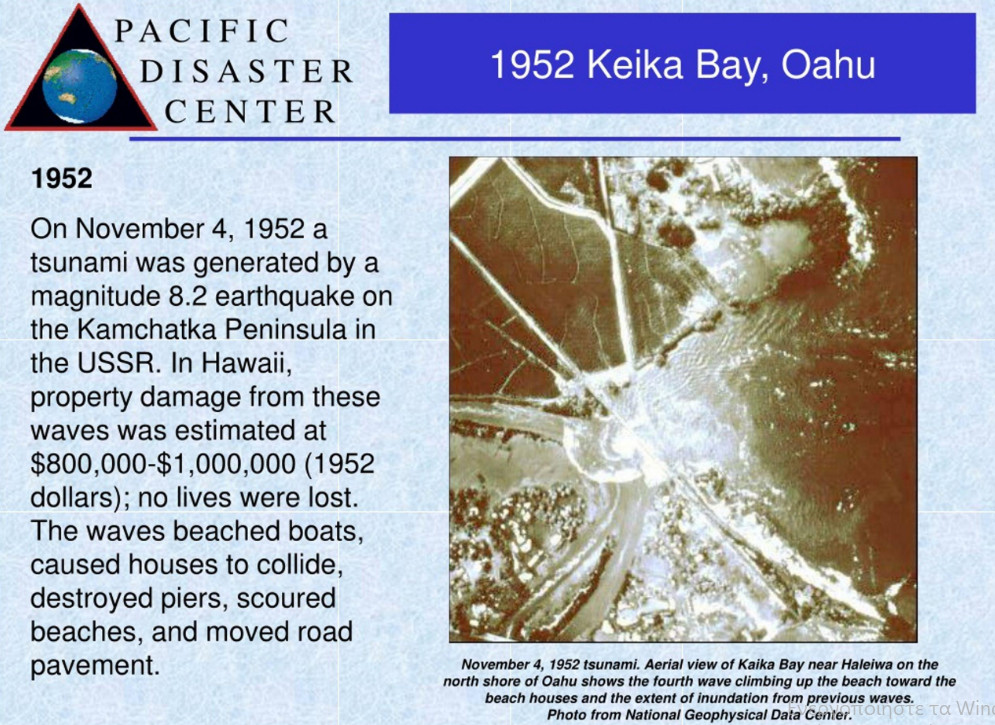
A magnitude 9.0 earthquake struck off Kamchatka on November 4, 1952, in UTC. Its tsunami spread across the Pacific and damaged Hawaii.
This remote part of Russia sits beside a major plate boundary. The event remains among the biggest earthquakes ever recorded and highlights the enormous reach of waves generated beneath the ocean.
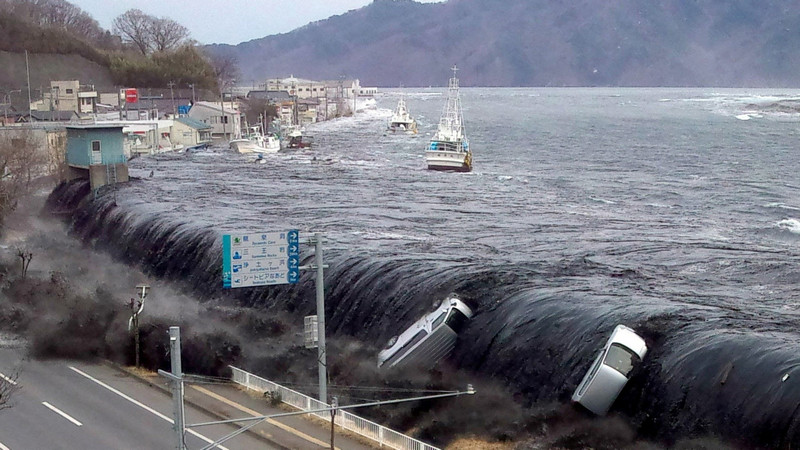
Tohoku, Japan, 2011 — Magnitude 9.1
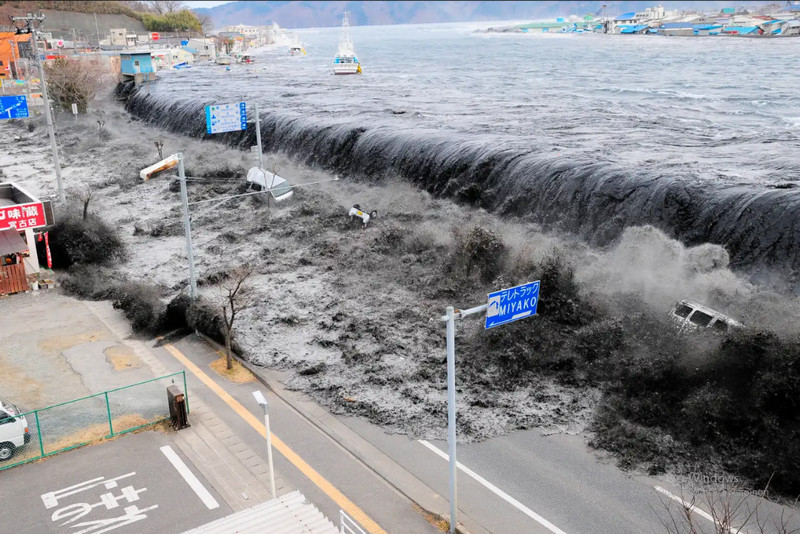
Japan’s magnitude 9.1 Tohoku earthquake struck on March 11, 2011. The tsunami that followed devastated coastal communities, sweeping away buildings and leaving widespread destruction.
Its effects were observed throughout the Pacific. For people watching around the world, the disaster showed how a powerful earthquake at sea could quickly become a terrible emergency on land.
Sumatra, Indonesia, 2004 — Magnitude 9.1
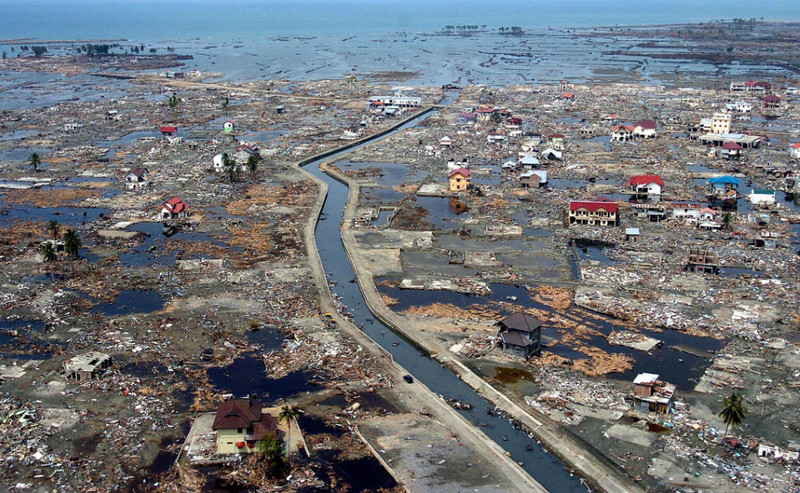
On December 26, 2004, a magnitude 9.1 earthquake struck off Sumatra, Indonesia. It triggered an Indian Ocean tsunami that affected countries across Asia and Africa.
Around 230,000 people died in the disaster. The enormous losses exposed serious gaps in tsunami warnings and public awareness, making this one of history’s most devastating natural disasters.
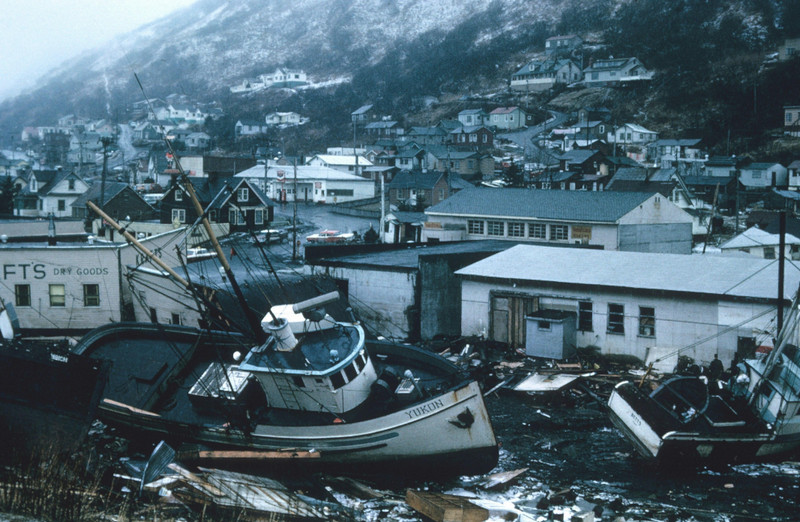
Prince William Sound, Alaska, 1964 — Magnitude 9.2
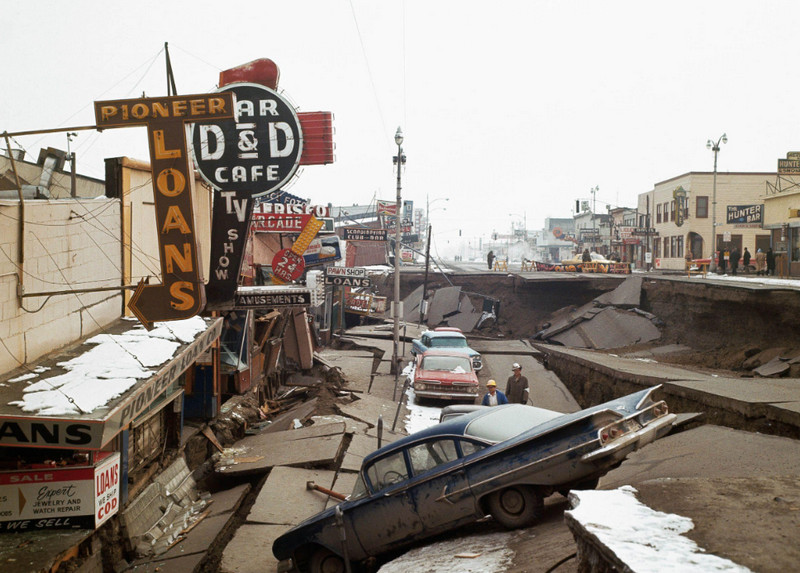
Alaska’s magnitude 9.2 earthquake struck Prince William Sound on March 27, 1964, local time. Strong shaking lasted about 4.5 minutes.
Landslides damaged Anchorage, while tsunamis devastated coastal areas. Known as the Good Friday earthquake, it remains the strongest earthquake recorded in the United States and the second largest recorded worldwide.
Valdivia, Chile, 1960 — Magnitude 9.5
Chile holds the record with the magnitude 9.5 Valdivia earthquake of May 22, 1960. It devastated southern Chile and generated a tsunami that crossed the Pacific.
Deadly waves reached Hawaii and Japan, thousands of kilometers away. Among the largest earthquakes ever recorded, this event remains the clearest reminder that a single rupture can suddenly have worldwide consequences.