Wondering what is the Best time to Visit Italy? Dreaming of sipping espresso in a Roman piazza or gliding through Venetian canals?
Italy is a trip of a lifetime, but that perfect vision can quickly turn into a battle with scorching heat and shoulder-to-shoulder crowds if you go at the wrong time. The most popular months are often the most challenging, forcing a choice between the perfect photo and a peaceful experience.
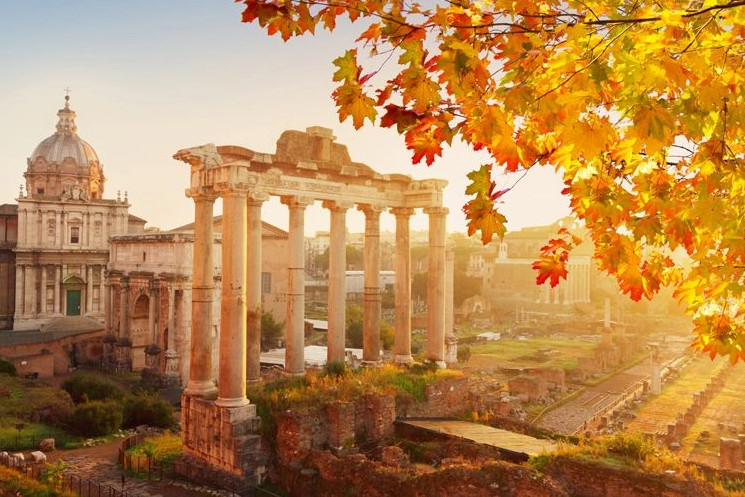

Discover the Best Time to Visit Italy
Planning a trip to Italy involves balancing three factors: weather, crowds, and price. A sun-drenched beach holiday in August comes with the highest costs of the year, while a budget-friendly getaway in November means packing a warmer jacket. You don’t have to sacrifice your budget for a great trip; you just need to decide which of these elements matters most to you.
This month-by-month guide lays out the pros and cons of each season to help you confidently choose your personal best time to visit Italy.


The Three ‘Seasons’ of Italian Travel: Peak, Shoulder, and Off-Season
Italy doesn’t just have four seasons—it has three travel seasons. Picking the right one for your trip is the single best way to balance your budget, crowd tolerance, and desire for sunny weather. Each season offers a completely different experience, so matching one to your personal style is key.
- Peak Season (July-August): This is Italy’s high season. It delivers the hottest, sunniest weather, which is perfect for beach holidays. However, it also brings the largest crowds and the highest prices for flights and hotels.
- Shoulder Season (April-June & September-October): For many, this is the “sweet spot.” You’ll enjoy pleasantly warm weather ideal for sightseeing, but with fewer people and more reasonable costs than in the summer.
- Off-Season (November-March): This is the best time for budget-conscious travelers who want to have museums and ancient sites almost to themselves. The trade-off is colder, often wetter weather, especially in the north.
For most first-time visitors, the Italy shoulder season guide is simple: aim for spring or fall. It’s the perfect compromise, allowing you to comfortably explore Rome’s ancient streets or Florence’s art galleries without the sweltering heat or summer crowds. You get the best of both worlds—a vibrant atmosphere without the stress.
Spring vs. Fall: Which is the best time to visit Italy for you?
Deciding between Italy in spring vs. fall is like choosing between two kinds of beauty. Both shoulder seasons offer that perfect balance of pleasant weather and manageable crowds, but each has a distinct personality. Spring is a time of awakening, when the countryside bursts into green and vibrant color. In contrast, fall is a season of rich abundance, defined by golden light and the country’s beloved food harvests.
A trip in April or May immerses you in a landscape coming to life. The days grow longer, giving you more daylight for exploring. Across central Italy, especially when considering the weather in Tuscany by month, you’ll find rolling hills blanketed in brilliant green and dotted with wildflowers like red poppies. It’s a photographer’s dream and the perfect backdrop for scenic drives.
On the other hand, autumn offers a different kind of magic.
September and October are prime time for food lovers, as vineyards celebrate the grape harvest and the hunt for treasured truffles begins. A fantastic bonus is that the Mediterranean Sea retains its summer warmth, often making a late-season swim perfectly pleasant when visiting the Amalfi Coast in October. So, pick spring for lush, blooming landscapes and fresh energy. Choose fall if your dream trip involves harvest festivals and the chance for one last warm dip in the sea.

Is Italy Too Hot in July? Navigating Summer’s Heat, Crowds, and Costs
For sightseeing in central and southern Italy, the answer to “Is Italy too hot in July?” is often yes. In cities like Rome and Florence, midday temperatures frequently climb above 30°C (86°F), turning afternoon strolls through ancient ruins into a draining endurance test. The combination of intense heat and peak-season crowds can make avoiding crowds in Rome and Florence’s most famous landmarks a real challenge.
Adding to the summer intensity is Ferragosto. Celebrated on August 15th, it’s a national holiday when most Italians take their vacation. The result? Major cities can feel surprisingly quiet with many family-run shops closed, while the entire coastline becomes incredibly crowded and expensive as locals flock to the sea.
The secret to a great summer trip is to think north. While the south bakes, Northern Italy offers a refreshing escape.
The dramatic peaks of the Dolomites provide cooler temperatures perfect for hiking, and the iconic lakes like Como and Garda offer a breezy, glamorous alternative. This sharp contrast between the climates of Northern and Southern Italy makes a summer visit delightful—if you choose your destination wisely.

A Month-by-Month Guide
Finding your perfect travel window is all about matching your personal priorities—be it budget, weather, or crowd tolerance—with what each month has to offer. Use this quick guide to compare the Italian weather by month.
January
- Weather: Cold and crisp in the north, often with snow. Central and southern Italy are cool and can be damp.
- Crowds/Costs: Low. The heart of the off-season.
- Best for: Budget-friendly city breaks, enjoying museums without lines, and skiing in the Alps. These are fantastic Italian winter travel destinations.
February
- Weather: Still cold, with winter slowly beginning to recede in the south.
- Crowds/Costs: Low, except for Venice, which explodes with crowds and high prices for its famous Carnival (Carnevale).
- Best for: Experiencing Venice Carnival (book far in advance!) or enjoying quiet, cozy meals in Rome or Florence.
March
- Weather: Unpredictable. You might get brilliant, sunny days or chilly spring rain.
- Crowds/Costs: Low, but climbing towards the end of the month, especially around Easter.
- Best for: Seeing spring wildflowers in the south and exploring cities before the tourist season kicks off.
April
- Weather: Generally lovely and mild. A fantastic month for sightseeing, though you should still pack a jacket.
- Crowds/Costs: Medium. Prices and crowds spike during Holy Week (leading to Easter), a major national holiday.
- Best for: Comfortable city exploring, seeing Tuscany’s rolling hills in vibrant green, and enjoying outdoor cafés.
May
- Weather: Often picture-perfect. It’s warm and sunny almost everywhere, but not yet uncomfortably hot.
- Crowds/Costs: Medium to High. Many consider May one of the best months to go to Italy, so you won’t be alone.
- Best for: Literally everything. From hiking the Amalfi Coast to exploring Rome’s forums, May is a dream.
June
- Weather: The start of true summer heat. It’s reliably hot and sunny, and the sea is warm enough for swimming.
- Crowds/Costs: High. The summer vacation season has officially begun.
- Best for: Beach holidays, island-hopping around Sicily or Sardinia, and long, late-evening dinners outside.
July
- Weather: Hot, sunny, and often humid in the cities. Temperatures regularly exceed 30°C (86°F).
- Crowds/Costs: Peak. Expect long lines, packed attractions, and premium pricing.
- Best for: Escaping the heat by heading to the cooler mountains of the Dolomites or relaxing by the northern lakes.
August
- Weather: The hottest month of the year. The cities can feel stifling.
- Crowds/Costs: Peak. Italians take their own holidays (Ferragosto on the 15th), driving up coastal prices.
- Best for: Join the Italians on the coast if you love a bustling beach scene and book well in advance. Otherwise, consider a different month.
September
- Weather: Gorgeous. The intense heat fades, leaving warm days and pleasant evenings. The sea is still warm.
- Crowds/Costs: High, but decreasing as the month goes on.
- Best for: Wine tasting during the grape harvest, enjoying beaches with fewer crowds, and comfortable sightseeing.
October
- Weather: Crisp, golden, and pleasant. The chance of rain increases, and evenings get chilly.
- Crowds/Costs: Medium, offering a great balance of decent weather and manageable crowds.
- Best for: Food festivals (sagre) celebrating truffles, chestnuts, and wine; enjoying fall foliage in the countryside.
November
- Weather: Cool, quiet, and often rainy. Winter is on its way.
- Crowds/Costs: Low. This is what the off-season for Italy is at its truest, offering the year’s best bargains.
- Best for: Art lovers who want museums to themselves and budget travelers who don’t mind packing an umbrella.
December
- Weather: Cold and festive. The north is brisk with charming Christmas markets, while the south is cool and quieter.
- Crowds/Costs: Low for most of the month, but it gets busy and more expensive around Christmas and New Year’s Eve.
- Best for: The magical atmosphere of Christmas markets in Trentino-Alto Adige and ringing in the New Year in a major piazza.
North, Central, or South? Matching Your Trip to the Right Climate
Picking the right month is only half the battle; picking the right region for that month is just as important. Italy has three distinct climate zones, and understanding the difference is key to a comfortable trip.
The North, home to Milan, Venice, and the Alps, experiences four distinct seasons. Winters can be cold with snow, while summers are warm but generally milder than the rest of the country. This makes it a fantastic escape from mid-summer heat, which is why the best time for hiking in the Dolomites is often July and August.
Central Italy—including Rome and Florence—offers the classic Mediterranean experience. The weather in Tuscany by month shifts from cool, damp winters to hot, sunny summers, with temperate springs and autumns. Further south, the climate difference between Northern and Southern Italy is stark. Here, winters are very mild, and summers are long, dry, and intensely hot.
This means the Sicily beach season can stretch comfortably from May into October, making it an ideal destination for a warm getaway in the spring or fall. While a summer trip is perfect for the cooler mountains up north, that same heat could make sightseeing in the south exhausting.
Your Perfect Italy Trip: A Cheat Sheet for Choosing the Best Month
By matching your personal travel priorities—be it budget, sunshine, or quiet streets—to the ideal season, you can confidently plan the perfect Italian adventure.
To make your final decision easy, here is a simple summary.
Choose Your Month If…
- …you want the best balance of weather and crowds: Choose May or September.
- …your main goal is a beach holiday: Choose June or early July.
- …you are on a tight budget and hate crowds: Choose January, February, or November for the cheapest month to fly to Italy.
- …you are a foodie who loves fall flavors: Choose October.
The best months to go to Italy are the ones that are best for you. By looking past the postcard images, you can book a trip that truly fits your vision.