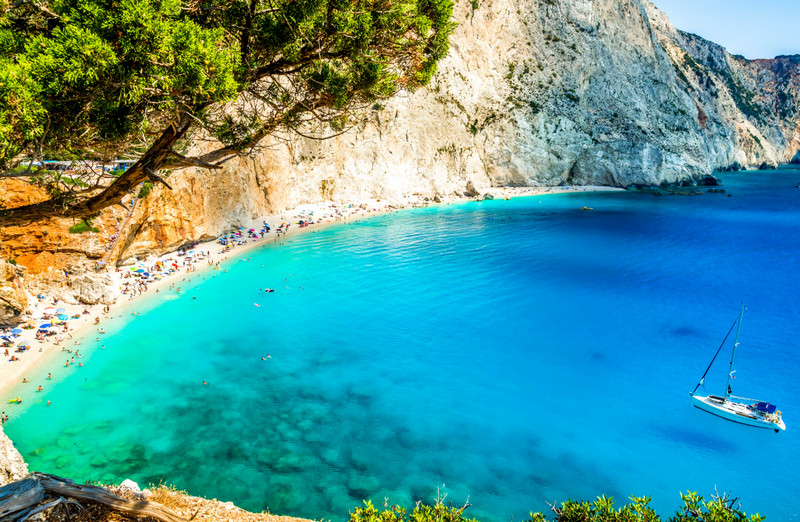
Porto Katsiki is one of Greece’s most photographed beaches. Its dramatic cliffs and turquoise water look like paradise, but the cliffs can also create danger.
Rockfalls have occurred in the area, particularly after earthquakes or bad weather. Visitors should respect restricted areas and avoid sitting directly beneath unstable cliff sections.
Praia do Norte, Portugal
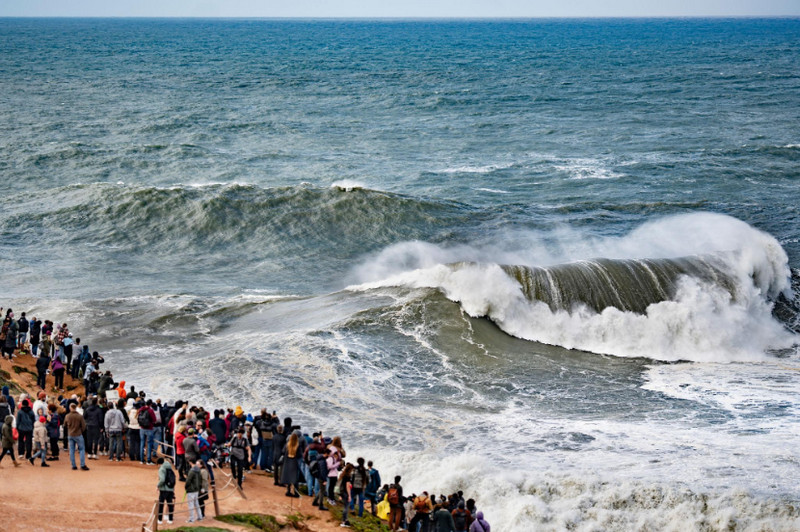
Praia do Norte in Nazaré is famous worldwide for gigantic Atlantic waves.
Professional surfers travel here to ride some of the biggest waves on Earth. For ordinary swimmers, conditions can be extremely dangerous when the ocean is rough. Powerful waves, currents, and rapidly changing conditions mean visitors should never underestimate the sea.
Reynisfjara Beach, Iceland
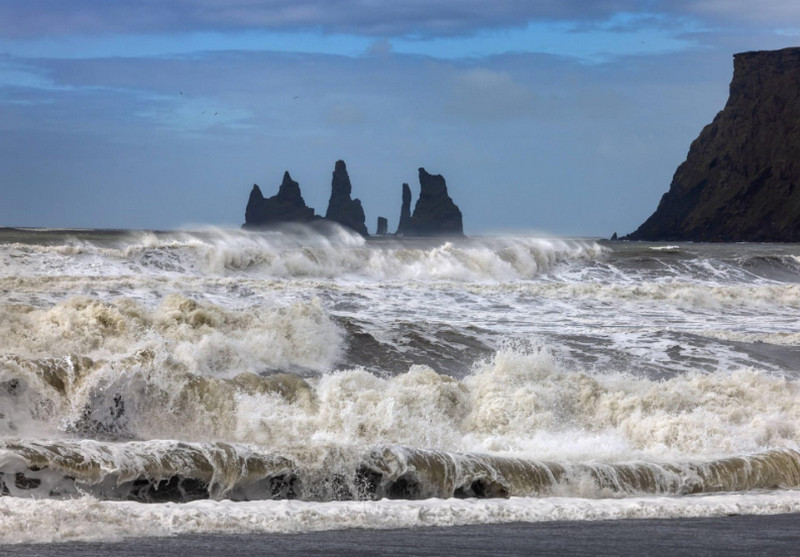
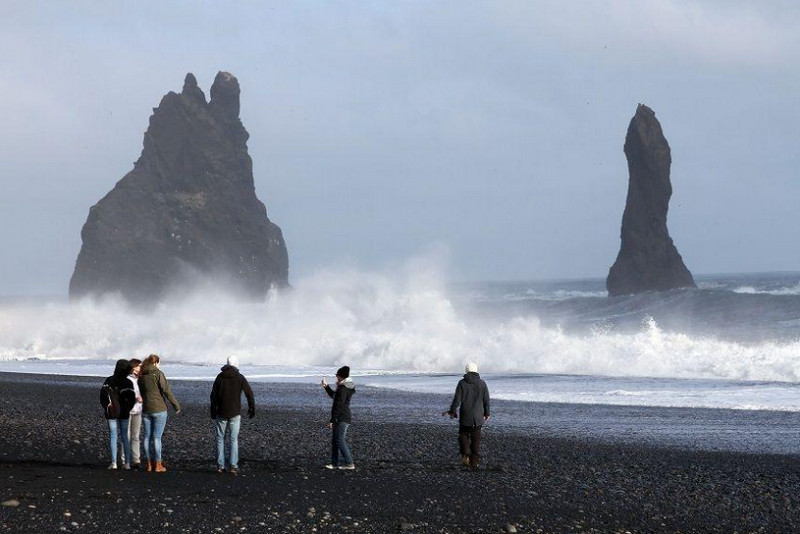
Reynisfjara is one of Iceland’s most spectacular beaches—and one of its most dangerous.
Powerful “sneaker waves” can suddenly travel much farther up the beach than visitors expect. People have been swept into the freezing ocean here. Take warning systems and signs seriously, and visitors must maintain a safe distance from the water.
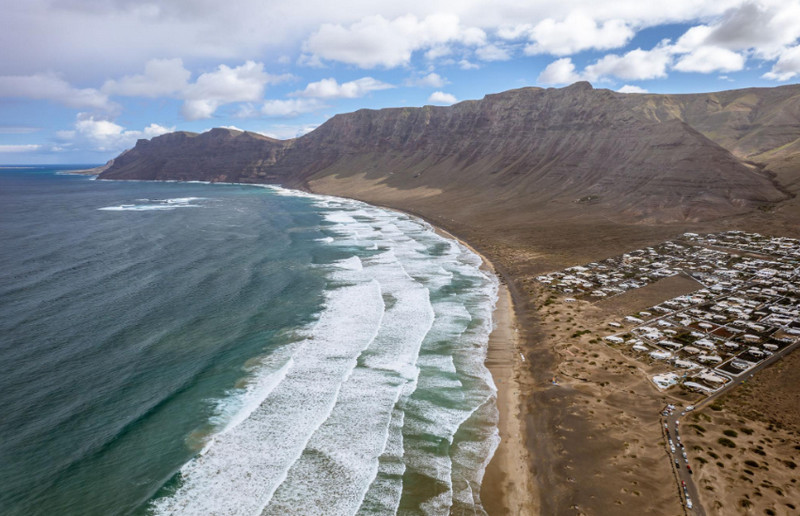
Playa de Famara, Lanzarote, Spain
Famara is a beautiful beach surrounded by impressive volcanic scenery.
It is especially popular with surfers because of its waves and wind. However, strong currents can create dangerous swimming conditions. The ocean may look inviting, but inexperienced swimmers can quickly find themselves in difficulty. Following lifeguard warnings is essential.
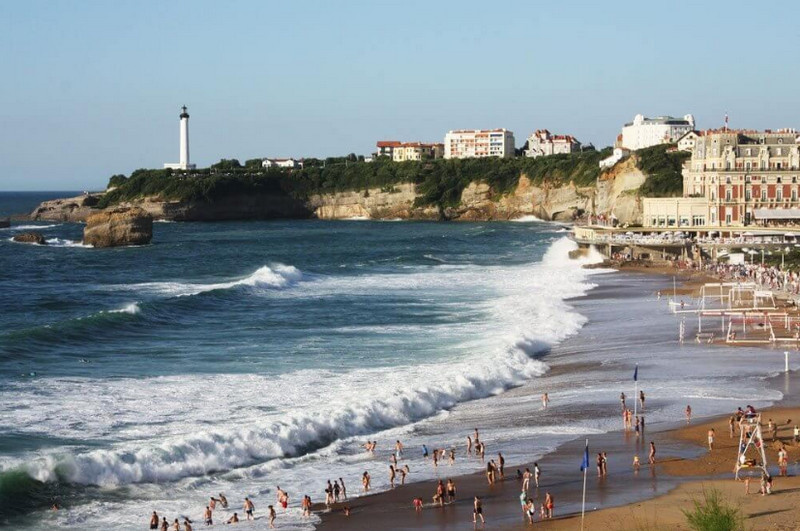
Plage de la Côte des Basques, France
Biarritz is one of Europe’s great surfing destinations, and Côte des Basques is among its most famous beaches.
The Atlantic produces powerful waves and currents that can challenge inexperienced swimmers. Tides also dramatically change the amount of usable beach. Visitors unfamiliar with Atlantic conditions should check local warnings before entering the water.
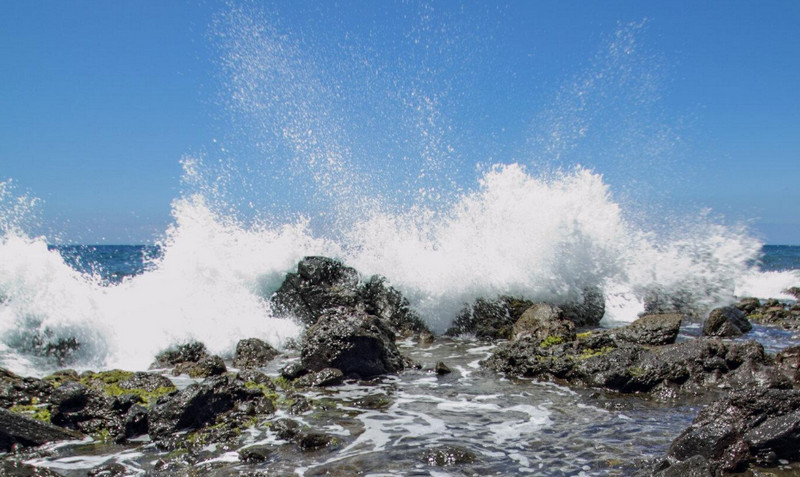
Playa del Inglés, La Gomera, Spain
This wild beach on La Gomera offers dramatic volcanic scenery, but the Atlantic Ocean can be unpredictable.
Strong waves and currents can make swimming hazardous, particularly when weather conditions deteriorate. Unlike a protected Mediterranean bay, the beach is directly exposed to the open ocean, so visitors should never assume calm-looking water is completely safe.
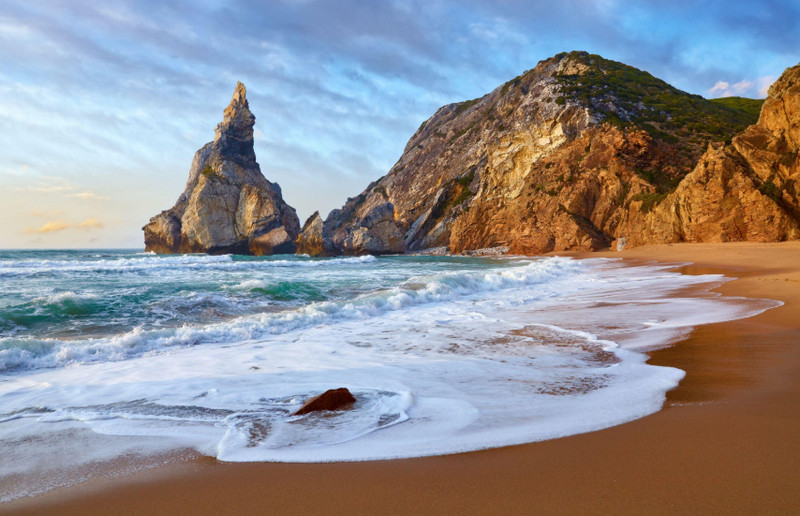
Praia da Ursa, Portugal
Praia da Ursa near Sintra is breathtaking, remote, and challenging to reach. Visitors must descend a steep path before reaching the sand.
The difficult access creates an additional problem if someone is injured. Powerful Atlantic waves, changing tides, and falling rocks around the cliffs can also create hazards. Proper footwear is highly recommended for the descent.
Reynisfjara, Iceland
Reynisfjara ranks first among Europe’s unsafe beaches because its danger can be surprisingly hard to recognize.
Visitors often arrive to photograph the black sand and basalt columns without realizing how quickly sneaker waves can reach them. These waves can knock people down and pull them toward extremely cold water. The beach’s beauty can create a false sense of security. Staying well away from the ocean and following the local warning system is essential.