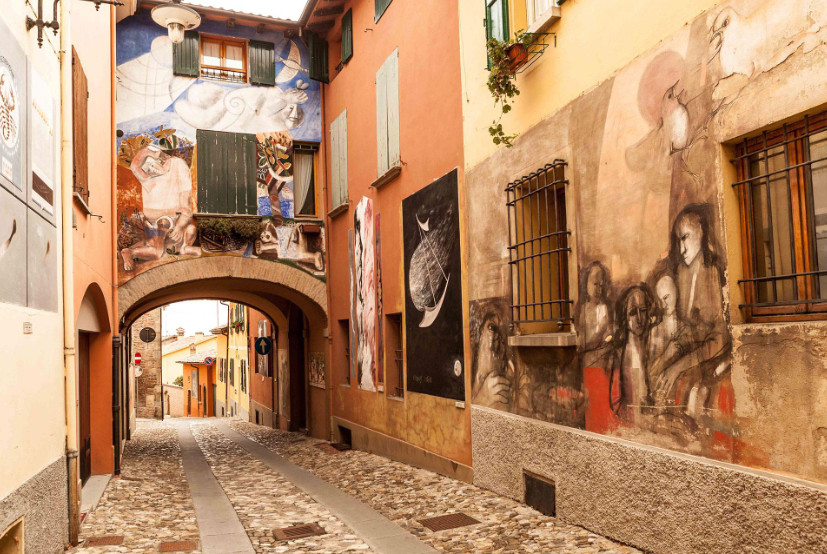
The walls of its old houses are covered with colorful paintings created by artists from around the world. Walk through the narrow streets, visit the medieval fortress, and enjoy the peaceful atmosphere. Despite its beauty, Dozza remains overlooked by many foreign tourists.
Castelmezzano, Basilicata
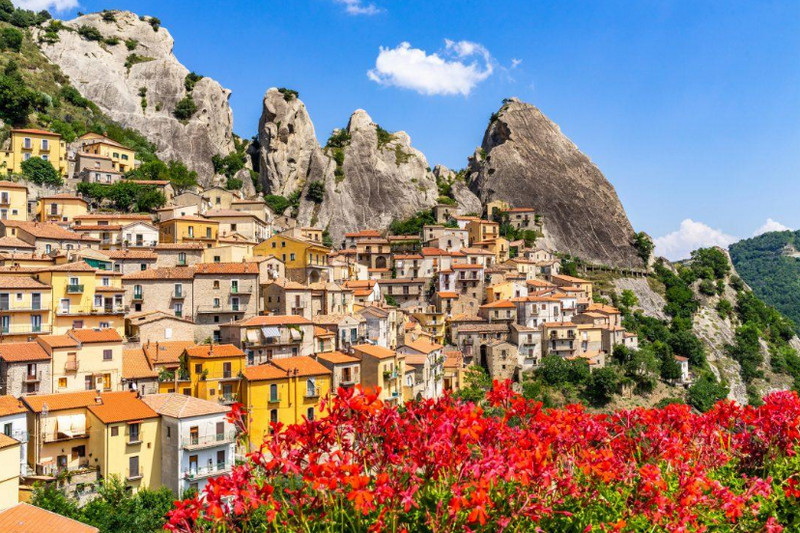
Hidden among the dramatic mountains of Basilicata, Castelmezzano looks almost unreal.
Stone houses appear to climb directly up the rocky slopes. The village is especially beautiful at sunset when the surrounding peaks turn golden. Adventurous visitors can also experience the famous Volo dell’Angelo zip line.
Varenna, Lombardy
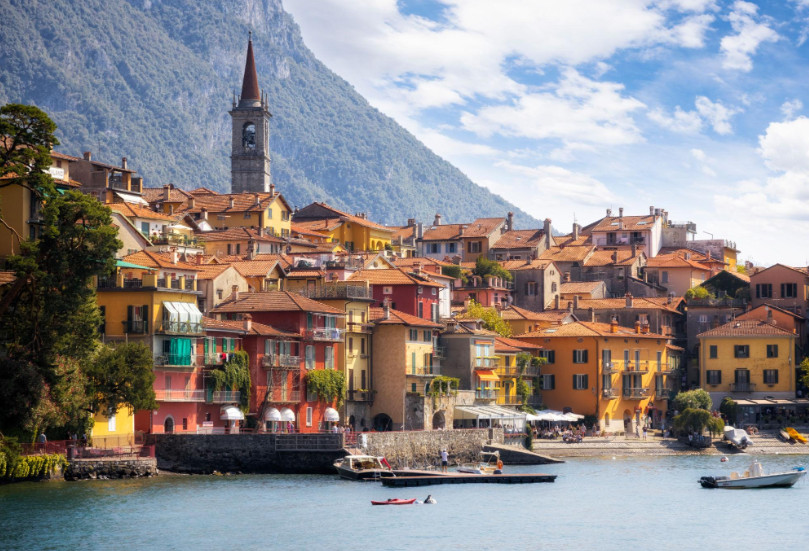
Varenna sits beside beautiful Lake Como but feels much quieter than some of the area’s famous destinations.
Colorful houses, narrow lanes, waterfront cafés, and mountain views create a romantic atmosphere. The lakeside walking path is especially beautiful during the evening.
Pitigliano, Tuscany
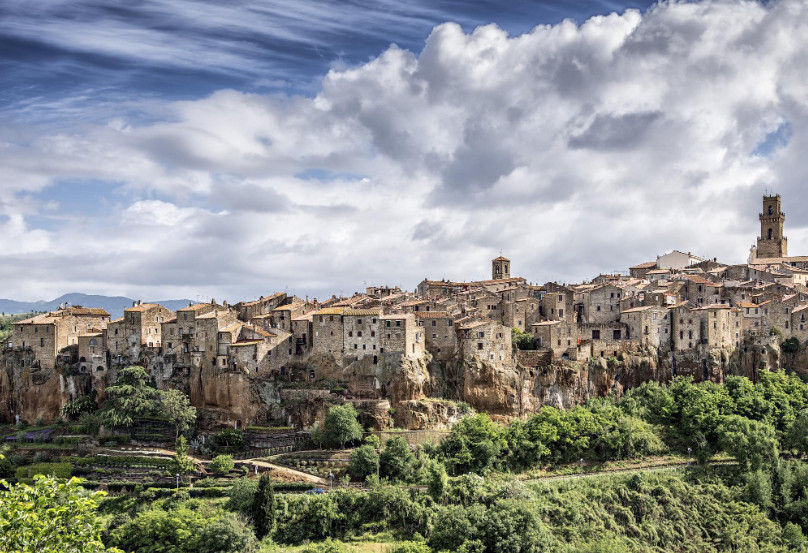
Pitigliano rises dramatically from a rocky cliff in southern Tuscany.
From a distance, its historic stone buildings seem to grow directly from the rock. Inside the village, visitors discover medieval streets, underground passages, small restaurants, and centuries of fascinating history.
Civita di Bagnoregio, Lazio
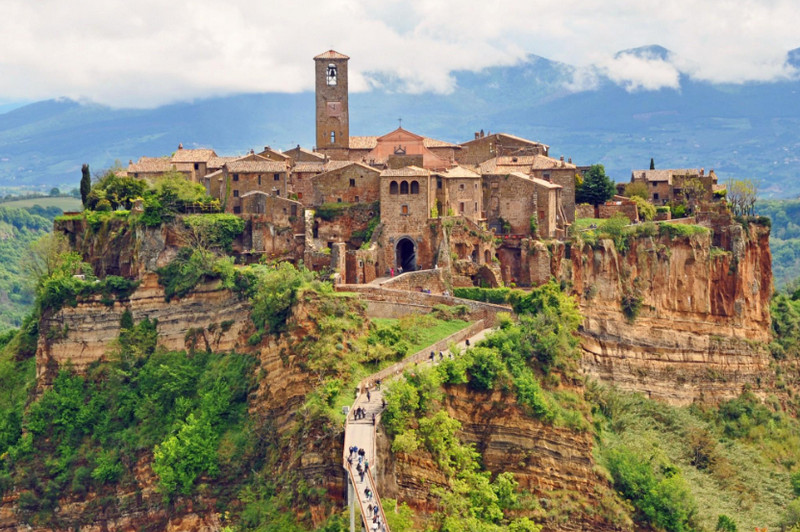
Civita di Bagnoregio is one of Italy’s most extraordinary villages.
Built on a hill of volcanic rock, it can only be reached by a long pedestrian bridge. Its ancient stone houses, tiny squares, and spectacular valley views make arriving here feel like stepping into another century.
Bagnone, Tuscany
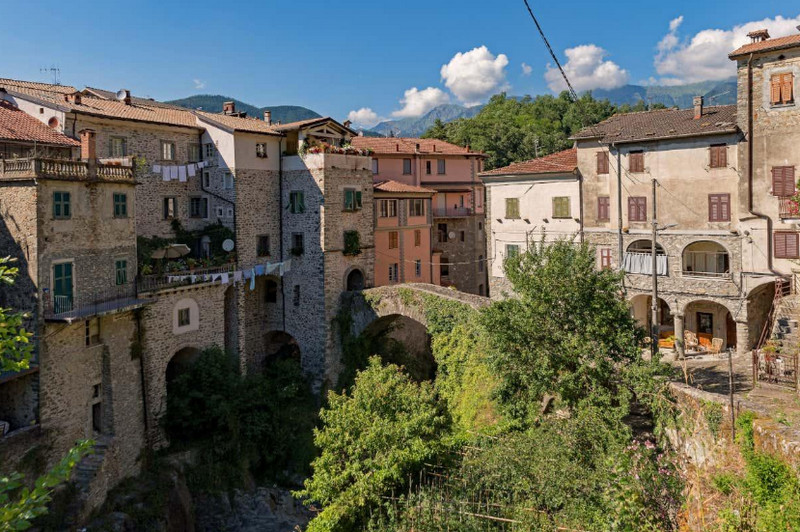
Bagnone is a tiny Tuscan destination surrounded by mountains, forests, and peaceful countryside.
A river flows through the village beneath old stone bridges and historic buildings. Unlike Florence or Siena, Bagnone receives relatively few international visitors, making it perfect for travelers searching for authentic Tuscany.
Calcata, Lazio
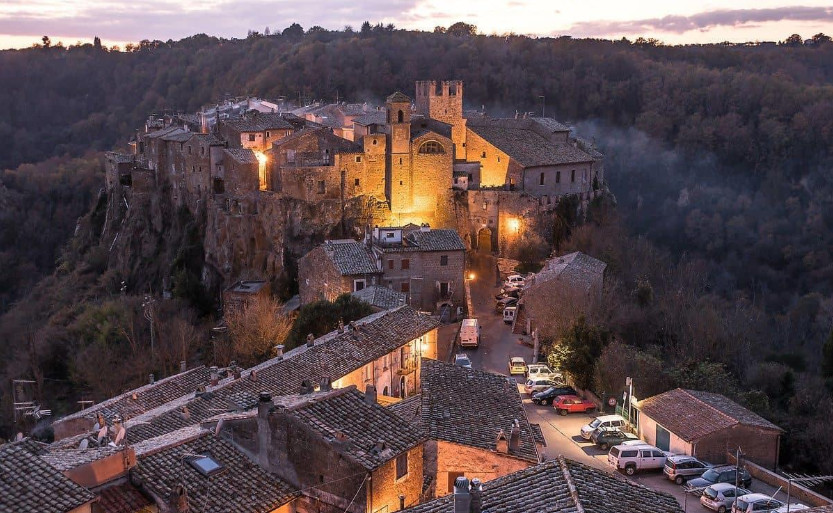
Calcata may be one of the most unusual Secret Towns in Italy. Built dramatically on a volcanic cliff north of Rome, the medieval village was nearly abandoned during the twentieth century.
Artists later moved into its ancient houses and transformed Calcata into a creative community filled with workshops, galleries, unusual decorations, and tiny cafés. Cars cannot enter the historic center, adding to its mysterious atmosphere. Walking through its narrow stone alleys feels completely different from visiting Italy’s crowded tourist cities