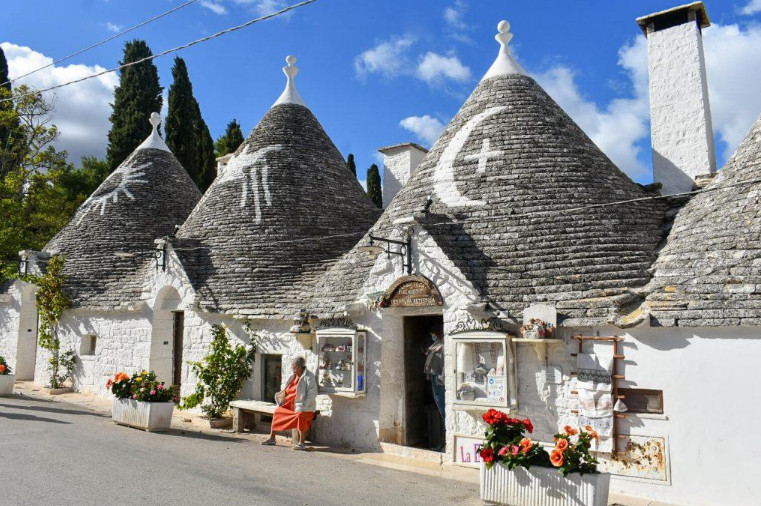
Alberobello looks unlike most Italian towns. Its streets are filled with trulli, small whitewashed houses famous for their cone-shaped stone roofs.
Walk through the Rione Monti district, explore the narrow streets, and stop at one of the panoramic viewpoints. Puglia combines these historic towns with beautiful coastline and clear Mediterranean water.
Pompeii
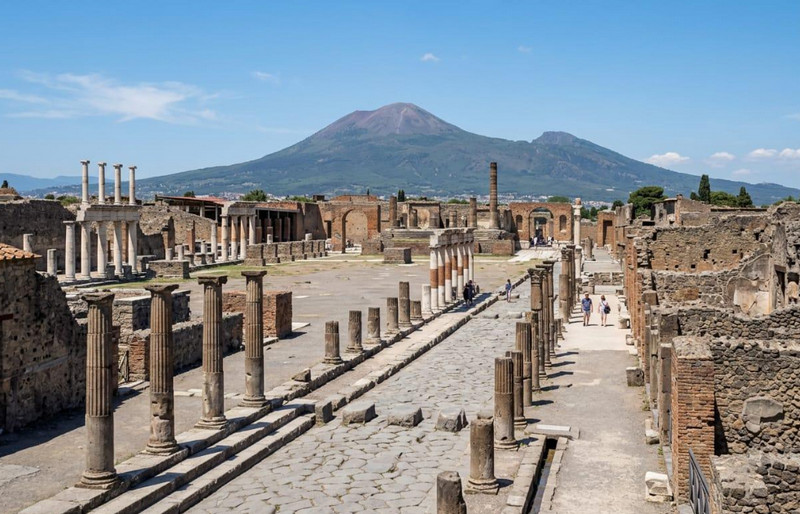
Few archaeological sites rival Pompeii. The ancient Roman city was buried following the eruption of Mount Vesuvius in AD 79.
Today, you can walk along ancient streets and see houses, temples, public spaces and other remains of Roman life. With Vesuvius rising in the background, the experience is unforgettable.
Lake Como
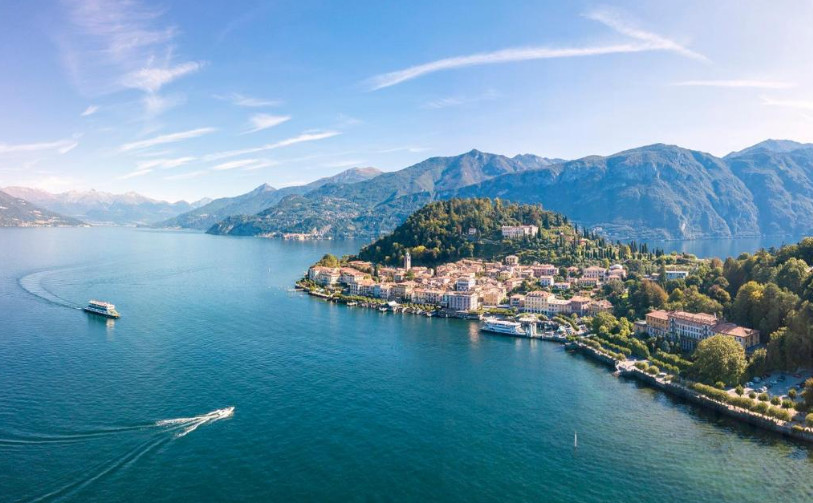
Surrounded by mountains and elegant villas, Lake Como is one of northern Italy’s most famous landscapes. Take a boat across the lake and explore beautiful towns such as Bellagio, Varenna and Menaggio.
The combination of blue water, mountains, gardens and historic villas makes this one of the most romantic Places in Italy. Italy’s official tourism site includes Lake Como among its major destinations.
Matera
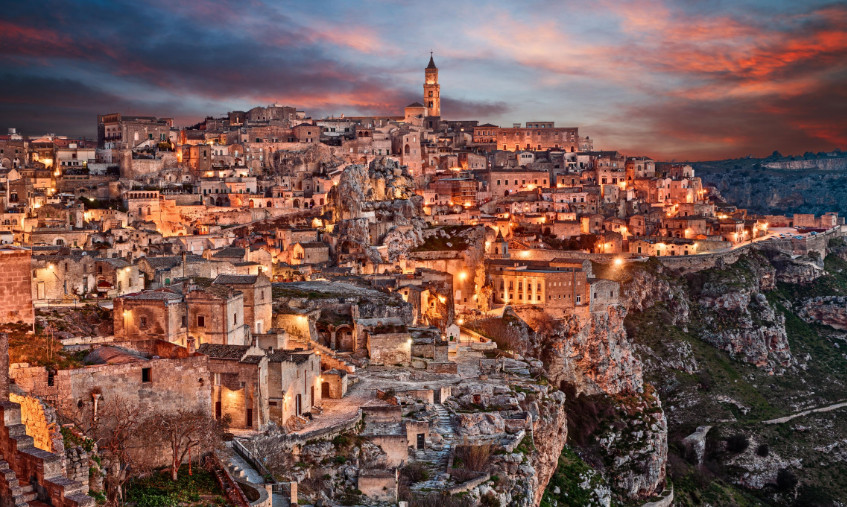
Matera feels like a journey into another age. The city is famous for the Sassi, ancient neighborhoods filled with stone buildings and cave dwellings. Walking through Matera at sunset is especially beautiful, when the old stone turns golden under the evening light.
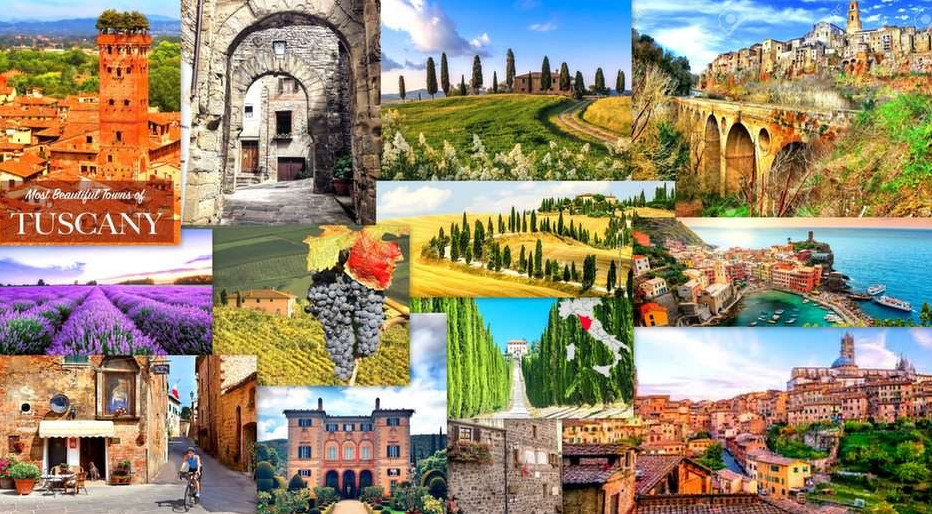
Tuscany and Val d’Orcia
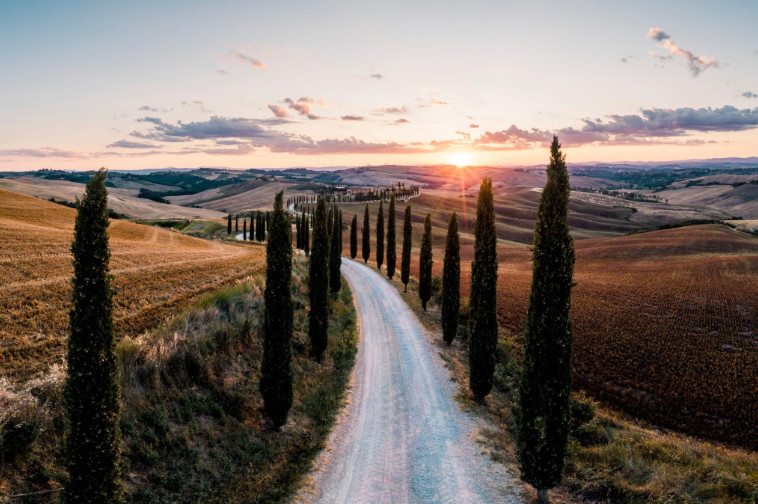
Rolling hills, cypress-lined roads, vineyards and medieval villages make Tuscany one of Italy’s most recognizable regions.
The Val d’Orcia is especially spectacular. Drive through the countryside and visit places such as Pienza and Montalcino. Florence pairs easily with a longer Tuscany road trip. Italy’s tourism authority describes Tuscany as a region that combines unique landscapes, art, history, and food.
The Dolomites
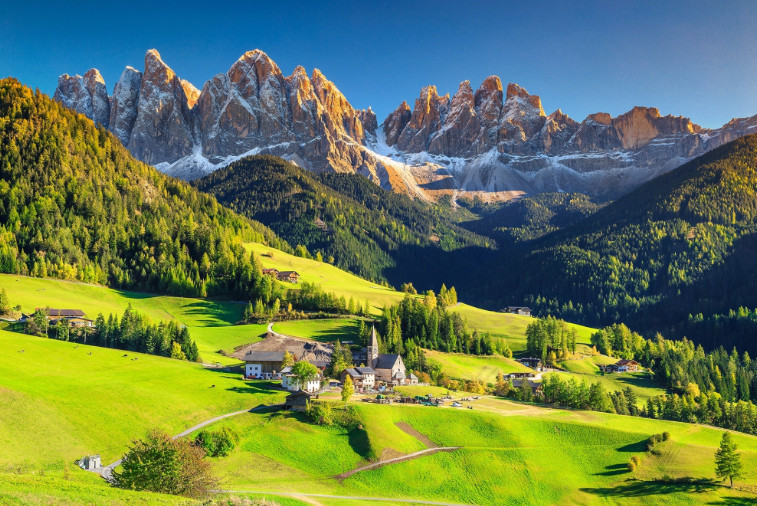
Italy is not only about ancient cities and Mediterranean beaches. The Dolomites offer dramatic mountain peaks, green valleys, alpine lakes, and beautiful villages.
They are a UNESCO World Heritage site stretching across parts of Trentino-Alto Adige, Veneto, and Friuli-Venezia Giulia. Visit in summer for hiking or in winter for spectacular snowy scenery.
Cinque Terre
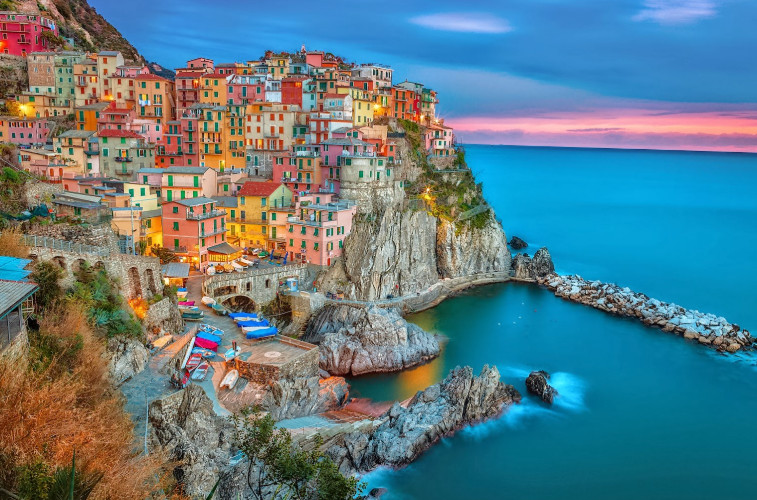
Cinque Terre consists of five famous villages along the rugged Ligurian coast:
Monterosso, Vernazza, Corniglia, Manarola and Riomaggiore. Colorful houses cling to steep hills above the Mediterranean, surrounded by terraced vineyards. The area forms part of a UNESCO World Heritage site.
Sicily
Sicily could easily fill an entire travel bucket list.
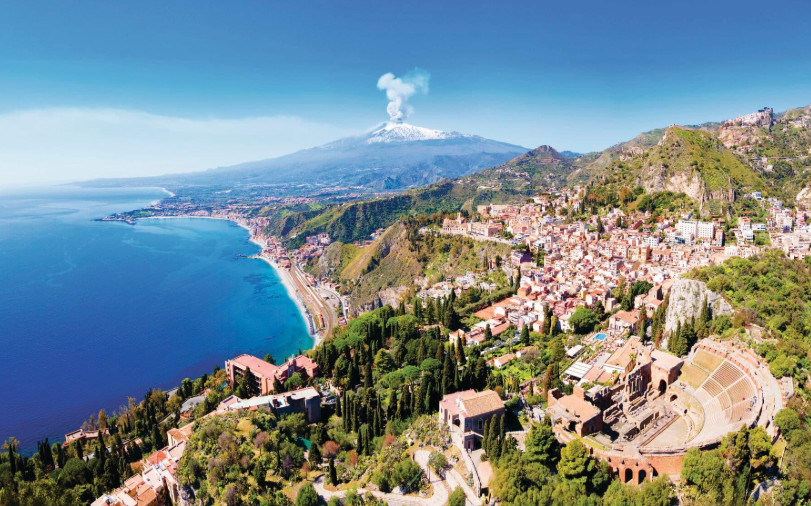
Explore Taormina, Palermo, Syracuse and beautiful beaches, then experience the extraordinary landscape around Mount Etna. Centuries of different civilizations have also left Sicily with an exceptionally rich cultural and architectural heritage.
Sardinia
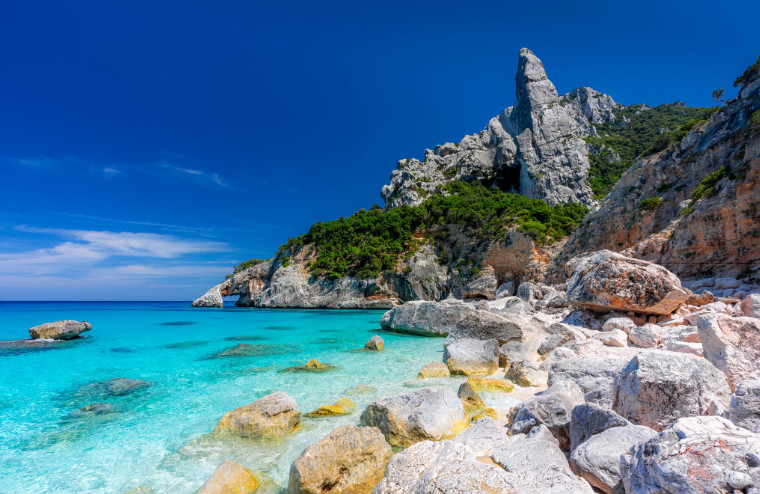
If you dream of turquoise water and white beaches, Sardinia belongs near the top of your list.
The island offers crystal-clear sea, dramatic rocks, hidden coves and wild Mediterranean landscapes. Sardinia is also much more than beaches, with ancient nuraghi and distinctive local traditions.
Florence
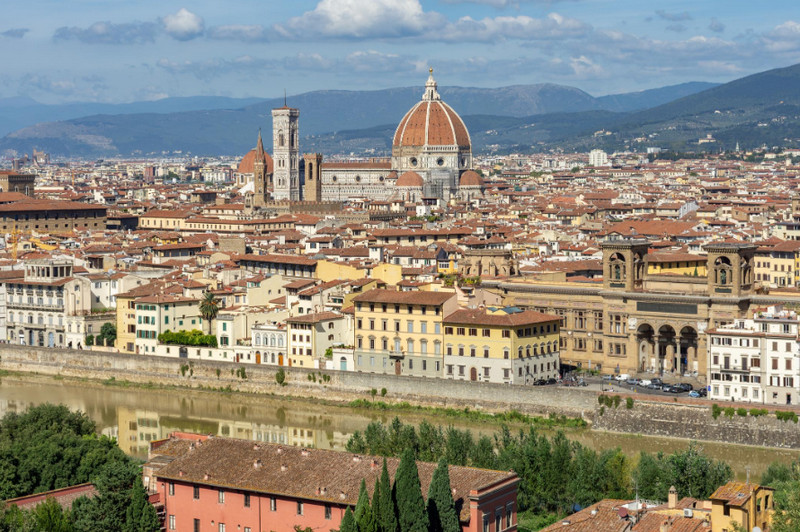
Florence is one of the world’s great art cities and the heart of the Italian Renaissance.
See the magnificent Duomo, cross Ponte Vecchio, visit the Uffizi Gallery, and watch the sunset from Piazzale Michelangelo. Its historic center has been a UNESCO World Heritage site since 1982
Amalfi Coast
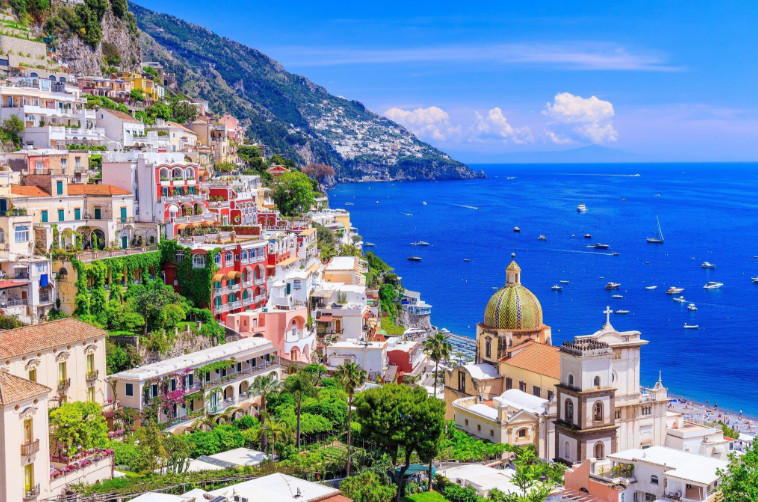
The Amalfi Coast combines mountains, Mediterranean water, and colorful towns built into steep cliffs.
Positano is the famous postcard view, but Amalfi and Ravello are equally worth exploring. The coastline is recognized as a UNESCO World Heritage site. Driving or sailing along the coast reveals one incredible view after another
Venice
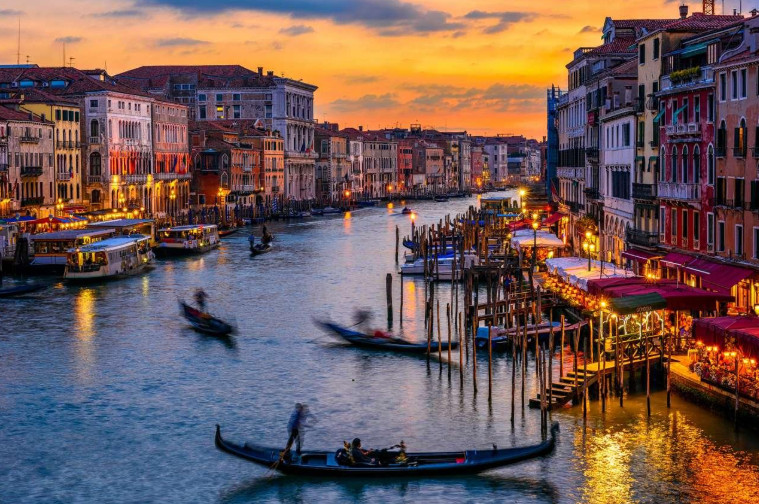
Nowhere else is quite like Venice.
The city is built across 118 islands connected by more than 400 bridges, with canals running through its historic heart. Visit St. Mark’s Square, cross the Rialto Bridge, explore quiet side streets and take a vaporetto along the Grand Canal.
Rome
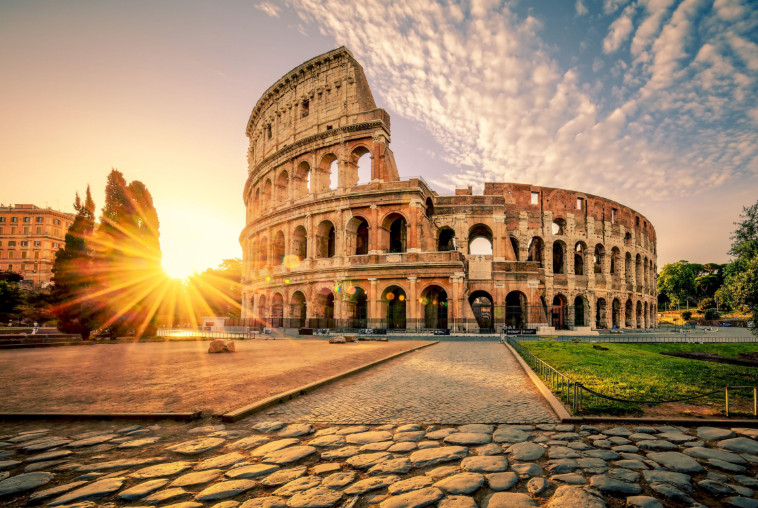
Rome takes the number-one position because few destinations combine so much history, architecture, art and everyday Italian life in one place.
Stand inside the Colosseum, walk through the Roman Forum, throw a coin into the Trevi Fountain and visit the Pantheon. Then cross into Vatican City to see St. Peter’s Basilica and the Vatican Museums. Rome’s UNESCO-listed historic center contains an extraordinary concentration of archaeological and cultural sites.